Fergus Review 2026: Pricing, Pros, Cons, Alternatives
Fergus starts at NZ$53/month. What each tier gates, the 7 limitations reviewers name, and 5 alternatives with published prices.
Disclosure This article features tools from our brand partners. If you choose to use them, we may receive compensation at no extra cost to you.
Our editorial choices are independent of these affiliate arrangements. Read our full affiliate disclosure.
Fervor is a CRO and web design studio, not a software reseller, and no vendor paid for placement here or for a kinder verdict. Affiliate links are flagged where they appear, and they never change what we report.
Page at a glance
Fergus is job management software built in Auckland for trade businesses, priced per user on top of a plan base, and wired more deeply into supplier price books and supplier invoices than into anything else. It starts at NZ$53/month per user, per month, starting at one full user. Fergus bills per person, not per company. The help centre states it plainly, and the terms of service repeat it, so the headline price on the pricing card is the floor for one full user rather than the price of the account. Three user classes exist at three different rates: full users at the plan rate, timesheet users from NZ$26 a month, and contractor users at NZ$4 per day of activity. It fits a one to ten person residential and light commercial service trade running day work and small jobs, where supplier invoices landing against the right job matters more than multi-phase project scheduling. It's the wrong buy for a contractor running multi-phase commercial projects with progress claims and retentions, because Fergus is built around job cards, day work and supplier invoices. Once your money is tied up in phased claims and variations across a long build, you want a product whose core object is a contract rather than a job. Alternatives that publish their prices are Tradify from NZ$48, ServiceM8 from NZ$29, Jobber from US$49. Eight priced tiers, seven evidenced gaps and five alternatives, five of which publish a figure.
Whether Fergus is worth it
Fergus earns its money with a one to ten person residential and light commercial service trade running day work and small jobs, where supplier invoices landing against the right job matters more than multi-phase project scheduling. If that's you, it does the job. The sections below are the parts worth checking before you sign. But the fit is narrower than the marketing suggests, and the price isn't the whole cost.
It starts at NZ$53/month. And pricing was verified on 7 August 2026, so you can check every figure below in a browser tab.
| Pricing model | Published tiers |
|---|---|
| Entry price | NZ$53/month |
| Users | Fergus bills per person, not per company. The help centre states it plainly, and the terms |
| Ownership | Independent |
| Best fit | a one to ten person residential and light commercial service trade running day work and small jobs, where supplier invoices landing against the right job matters more than multi-phase project scheduling. |
| Accounting sync | Xero (two-way), MYOB (two-way), QuickBooks (two-way) |
What works
- Supplier invoices landing on the right job
- Two-way accounting sync, but which one depends on your country
- Quoting to invoice, with a hard edge after publish
- Three user classes at three prices, and the middle one is thin
- Fergus Go on the phone
What does not
- The bill grows with headcount, not with revenue
- Your data goes dark the moment the account locks
- Anything older than three years quietly leaves the job record
- Reviewers keep drawing the same ceiling at a handful of staff
- Approved documents lock, and reviewers hit that repeatedly
Fergus is job management software built in Auckland for trade businesses, priced per user on top of a plan base, and wired more deeply into supplier price books and supplier invoices than into anything else. It sells to Cross-trade and Electrical and HVAC and Plumbing contractors, and the shape of the product follows from that: This is the part Fergus has invested in hardest. Its marketplace carries 78 supplier listings against only 13 software integrations, which tells you where the product's centre of gravity sits. And reviewers describe the supplier to Fergus to accounting chain as the thing that stops materials going unbilled.
Who Fergus is for, and who it isn't
It fits a one to ten person residential and light commercial service trade running day work and small jobs, where supplier invoices landing against the right job matters more than multi-phase project scheduling. That's the half most reviews print. Here's the other half, which is the one worth your time.
Don't buy it if you're a contractor running multi-phase commercial projects with progress claims and retentions. Fergus is built around job cards, day work and supplier invoices. Once your money is tied up in phased claims and variations across a long build, you want a product whose core object is a contract rather than a job. Look at Knowify instead.
Don't buy it if you're a growing shop that wants the software bill to stay flat while the crew grows. The per-user model means every hire raises the subscription, and there's no unlimited-user tier. So a flat platform fee overtakes it well before you're large. Look at Service Fusion instead.
Don't buy it if you're a United States or United Kingdom shop that runs its books on MYOB. The MYOB integration page lists Australia and New Zealand only. Xero covers all four markets and QuickBooks covers Australia, the United Kingdom and the United States. But MYOB doesn't travel. Look at Jobber instead.
Don't buy it if you're a New Zealand shop already committed to QuickBooks Online. The QuickBooks integration page lists Australia, the United Kingdom and the United States as available regions and doesn't list New Zealand, so the accounting sync that made you pick QuickBooks may not be on the table.
What Fergus costs
The tiers are public. And that's worth more than it sounds in a category where half the vendors make you ask.
| Tier | Price | Billing unit | What it unlocks |
|---|---|---|---|
| Basic (New Zealand) | NZ$53/month | per user, per month, starting at one full user | Nothing beyond the tier below |
| Professional (New Zealand) | NZ$75/month | per user, per month, starting at one full user | Phone support, where Basic is email and chat only |
| Essentials (United States) | US$31/month | per user, per month, starting at one full user | Nothing beyond the tier below |
| Professional (United States) | US$44/month | per user, per month, starting at one full user | Phone support, where Essentials is email and chat only |
| Essentials (United Kingdom) | £39/month | per user, per month, starting at one full user | Nothing beyond the tier below |
| Professional (United Kingdom) | £45/month | per user, per month, starting at one full user | Phone support, where Essentials is email and chat only |
| Enterprise 10 + | Quote only | per account, quoted | Any business with more than 10 staff |
| Timesheet user add-on | NZ$26/month | per timesheet user, per month | Field staff who only need to log hours |
| Contractor user add-on | NZ$4/day | per contractor user, per day of activity | Subcontractors and seasonal workers |
Fergus bills per person, not per company. The help centre states it plainly, and the terms of service repeat it, so the headline price on the pricing card is the floor for one full user rather than the price of the account. Three user classes exist at three different rates: full users at the plan rate, timesheet users from NZ$26 a month, and contractor users at NZ$4 per day of activity.
The Fergus costs that show up later
Payment processing. Card payments taken through Fergus run at 2.95% plus $0.30 per transaction in New Zealand and the United States, 1.95% plus $0.30 in Australia, and 1.6% plus £0.20 in the United Kingdom. That is a four-way spread on the same product, so check the rate for your own market rather than the one you read about.
Implementation and onboarding. Setup and training is listed as "from $0" on the New Zealand, Australian and United States pricing pages and as "Included" on the United Kingdom page, and a free one hour onboarding session with a product specialist is listed as standard. The word "from" sets a floor of zero rather than a ceiling, so anything past that hour is unpriced.
Minimum term. There is no minimum term. Billing is monthly with no lock-in contract, and the agreement runs from the first day you access the service until either side terminates it by written notice.
Getting out. No exit fee applies, but there is no pro rata refund either. You pay through the end of the calendar month you cancel in, the final invoice is generated on the 1st of the following month, and the terms state that refunds are otherwise unavailable on termination.
Auto-renewal. The agreement rolls month to month rather than renewing on a fixed anniversary, and it continues until one party gives written notice by email. Fergus also reserves the right to change fees on advance notice and to withdraw a subscription package entirely on advance notice.
Modules sold separately. Timesheet users, Contractor users, Certificates, SMS alerts and reminders, Credit card payments. The Fergus figure worth writing down is the one with your day-one modules already in it, not the headline tier.
One oddity, filed under things nobody mentions on a demo. The pricing card and the contract describe two different billing models. The card says "From $53 per month" with no unit attached, which reads like an account price. The terms of service say fees are charged per user on a plan base, and the help centre says you pay per user per month. The word "From" is doing all the work. So multiply before you compare. A six person shop on Professional isn't a NZ$75 line item, and the same contract clause puts the burden of noticing that on you.
The Fergus line items nobody mentions
The subscription is the part everyone quotes. These are the lines that land afterwards, and the ones we could not find are named as unpublished rather than left blank.
Sold separately. Timesheet users, Contractor users, Certificates, SMS alerts and reminders, Credit card payments. Price the configuration you'll really run, because an add-on you need on day one is part of the price.
"Fergus Basic (New Zealand) is NZ$53/month, per user, per month, starting at one full user."
Fergus pricing page (2026)
"Fergus Professional (New Zealand) is NZ$75/month, per user, per month, starting at one full user."
Fergus pricing page (2026)
"Fergus bills per person, not per company. The help centre states it plainly, and the terms of service repeat it, so the headline price on the pricing card is the floor for one full user rather than the price of the account. Three user classes exist at three different rates: full users at the plan rate, timesheet users from NZ$26 a month, and contractor users at NZ$4 per day of activity."
Fergus pricing page (2026)
The five workflows you pay for
Feature totals are noise. So a shop in this category lives or dies on five things, and those are the five to grade, and each one below carries the evidence it's graded on.
Supplier invoices landing on the right job. This is the part Fergus has invested in hardest. Its marketplace carries 78 supplier listings against only 13 software integrations, which tells you where the product's centre of gravity sits. And reviewers describe the supplier to Fergus to accounting chain as the thing that stops materials going unbilled.
Two-way accounting sync, but which one depends on your country. Xero is the only integration available in all four Fergus markets and Fergus describes it as a real-time two-way sync built on Xero's API. MYOB runs two-way in Australia and New Zealand only. And QuickBooks runs two-way in Australia, the United Kingdom and the United States, but the page doesn't list New Zealand. But an owner/director, construction, 2-10 employees, 6-12 months on the platform, says it differently: "I originally tried to do use it with MYOB, but that did not work well so had to shift to Zero at the same time as setting up Fergus"
Quoting to invoice, with a hard edge after publish. The quote to job to invoice path is the reason most reviewers bought it, and it works. But what catches people is the finality: a published quote can't be edited or added to, and an approved invoice is hard to change. But an account executive, business supplies and equipment, 1-2 years on the platform, reports it it differently: "You are not able to edit/ add to a published quote."But an electrician/inspector, construction, 1-2 years on the platform, reports it it differently: "I have found the GPS to be a little slow to load. Also the fact invoices can't be easily edited after approved can be a little frustrating."
Three user classes at three prices, and the middle one is thin. Full users pay the plan rate, timesheet users pay from NZ$26 a month, and contractor users pay NZ$4 per day of activity, capped at one charge per day. Contractors get job creation, time entries and health and safety pages but can never sign certificates, do sign offs, create customer invoices or process supplier invoices. Reviewers say the timesheet class is too limited while a full seat is too much for the same person. But a director/worker, 2+ years on the platform, puts it it differently: "The time sheet user can't search for created jobs if not assigned or add photos (not sure if that is a setting issue). Feels like they are very limited but yet a full user is too much for their position level."
Fergus Go on the phone. The field app is separately branded and reviewed. It holds 4.56 stars from 874 ratings on the New Zealand App Store, which is a healthy score for a trade app, though reviewers on the desktop side note that apprentices and material entry are weaker on mobile than in the office. A general manager, construction who reviewed it on 2018-03-30 describes it: "There are some little thing in the calender that are a bit clumsy, very limited app use for an apprentice and inputting material onto a job card though the app."
Fergus trade fit
Fit differs by trade rather than by company size alone, and a blended paragraph hides that. Here is the split for the trades this one sells to.
Cross-trade. The workflow that decides it is supplier invoices landing on the right job, and the shop profile that gets value is sole operator or two-hander, residential service doing residential and commercial and service work. Where it stops being a fit is a contractor running multi-phase commercial projects with progress claims and retentions.
Electrical. The workflow that decides it is supplier invoices landing on the right job, and the shop profile that gets value is sole operator or two-hander, residential service doing residential and commercial and service work. Where it stops being a fit is a contractor running multi-phase commercial projects with progress claims and retentions.
HVAC. The workflow that decides it is supplier invoices landing on the right job, and the shop profile that gets value is sole operator or two-hander, residential service doing residential and commercial and service work. Where it stops being a fit is a contractor running multi-phase commercial projects with progress claims and retentions.
Plumbing. The workflow that decides it is supplier invoices landing on the right job, and the shop profile that gets value is sole operator or two-hander, residential service doing residential and commercial and service work. Where it stops being a fit is a contractor running multi-phase commercial projects with progress claims and retentions.
The Fergus accounting link, and where it stops
Xero connects both ways, on every plan. MYOB connects both ways, on every plan. QuickBooks connects both ways, on every plan. Your costs map through cost codes, so test yours against your own chart of accounts before you commit. A code your books don't recognise is how a labour charge quietly lands somewhere useless.
Past those, the road ends. QuickBooks in New Zealand, MYOB outside Australia and New Zealand, Native software integrations generally do not connect. So if your books run on an ERP rather than the platforms named above, weigh that before anything else.
Beyond accounting it connects to Zapier (No-code bridge to other software, which is how Fergus covers everything it has no native integration for.), Groundplan (Takeoff and estimating, featured at the top of the marketplace.), Bunnings Trade New Zealand (Live PowerPass pricing pulled into quotes.), Trade supplier directory (Supplier invoice and price book feeds from merchants including Reece, Plumbing World, Mico, Corys, PlaceMakers, ITM, Tradelink, Rexel, Travis Perkins and Wolseley.). A public API exists: Fergus publishes documented REST APIs with a choice of OAuth or personal access tokens, but access begins with a conversation rather than a self-serve key, and no price or approval criteria are published.
What happens when Fergus breaks
Support is the line item nobody prices and everybody eventually needs. Onboarding for Fergus: Setup and training is listed as "from $0" on the New Zealand, Australian and United States pricing pages and as "Included" on the United Kingdom page, and a free one hour onboarding session with a product specialist is listed as standard. The word "from" sets a floor of zero rather than a ceiling, so anything past that hour is unpriced.
The review corpus we read on 7 August 2026 carries no consistent signal on response times either way, so treat support as untested rather than good. Open a real ticket during the trial and time the reply, because that is the number no pricing page gives you.
Fergus lock-in, in plain terms
Nobody reads this section before they buy, and it's the one that costs money afterwards. Four terms decide what leaving looks like.
Minimum term. There is no minimum term. Billing is monthly with no lock-in contract, and the agreement runs from the first day you access the service until either side terminates it by written notice.
Auto-renewal. The agreement rolls month to month rather than renewing on a fixed anniversary, and it continues until one party gives written notice by email. Fergus also reserves the right to change fees on advance notice and to withdraw a subscription package entirely on advance notice.
Early termination. No exit fee applies, but there is no pro rata refund either. You pay through the end of the calendar month you cancel in, the final invoice is generated on the 1st of the following month, and the terms state that refunds are otherwise unavailable on termination.
Payment processing. Card payments taken through Fergus run at 2.95% plus $0.30 per transaction in New Zealand and the United States, 1.95% plus $0.30 in Australia, and 1.6% plus £0.20 in the United Kingdom. That is a four-way spread on the same product, so check the rate for your own market rather than the one you read about.
Worth a detour here. Export is a support ticket, not a download, and the clock runs against you. You request it, Fergus staff process it, and it comes back as a compressed file. Meanwhile the account locks at the end of the cancellation month and you lose access to the data entirely. Request the export, verify the file opens and contains what you expect, and only then click cancel. Doing it the other way round is how people lose ten years of job history.
"software programmers more concerned about template updates or calendrer than updates that make the system work better. No file management folders available inside jobs...developers not interested in listening to what's needed on sites. Once signed up cant talk to management ever."
Capterra, Sharon D. (5-26)
"Good program with potential but only if very small business."
Capterra, Sharon D. (5-26)
"Reconciling paid invoices manually. Add on costs on top of the professional plan"
Capterra, Dave D. (1-29)
Where Fergus falls short
Every one of these is checkable on a demo call. None of it is a matter of taste, and each one traces to a vendor page or a named reviewer.
The bill grows with headcount, not with revenue. Fergus charges per user per month on top of a plan base, and it puts the job of right-sizing that on you rather than flagging it. And a five person crew on Professional is five multiples of the card price plus whatever timesheet and contractor users you add, so the number on the pricing page tells you very little about your actual invoice. Ask for a written quote at your real headcount, split by full, timesheet and contractor users, before you compare it to anything else.
Your data goes dark the moment the account locks. Cancellation takes effect at the end of the month you request it, and once the account locks you can't get back in. And export isn't a button you press and receive, either. It's a request that Fergus staff process and return as a compressed file, so the window between deciding to leave and losing access is the same window you need for the export to come back. Request the full export first, confirm you have the file and can read it, and only then cancel.
Anything older than three years quietly leaves the job record. A monthly archiving job moves user action logs, job emails and notifications older than three years to secondary storage. Quotes and invoices survive, but they come out of the Notes and History view on the job. And the help article doesn't describe a way to pull archived items back. So if you ever chase old jobs in a dispute, test what a four year old job card shows before you rely on it.
Reviewers keep drawing the same ceiling at a handful of staff. The most recent review on the platform is a one star from an eleven to fifty person construction business, and its headline is about size fit rather than a missing button. Fergus itself pushes anything past ten staff into an unpriced custom plan, which points the same direction. But a manager, construction, 11-50 employees, 1-2 years on the platform, describes it it differently: "Good program with potential but only if very small business." If you're already past ten people, get the Enterprise quote before you trial anything, because the published price doesn't apply to you.
Approved documents lock, and reviewers hit that repeatedly. Published quotes can't be edited or added to, and approved invoices are awkward to change. So on day work where scope moves after sign-off, that turns into credit notes and re-issues rather than an edit. On 2018-11-28, an account executive, business supplies and equipment, 1-2 years on the platform, puts it: "You are not able to edit/ add to a published quote." During the trial, approve a quote and then try to add a line to it. Watch what the workaround costs in clicks.
There's no materials inventory, so leftovers fall out of the system. Two reviewers on two different platforms name the same gap. Fergus is strong at pulling a supplier invoice onto a job. But it has no van stock or returns concept, so the material you didn't use goes back to a spreadsheet. But a company director/electrician, electrical/electronic manufacturing, 1-2 years on the platform, says it differently: "There's no inventory to track the left over materials from a job to reassign them to another" If van stock is a real cost centre for you, price a separate inventory tool into the comparison rather than assuming Fergus covers it.
GPS tracking is a Professional selling point that reviewers call unreliable. Two long-tenured reviewers describe the location feature as slow to load and patchy. And it's one of the features that separates the higher tier, so paying up for it is worth testing rather than assuming. But a business manager, 2+ years on the platform, says it differently: "I've always found GPS location is quite patchy - unreliable" Run a full day with two phones in two vans during the trial and check the trail afterwards.
One more thing worth knowing. "hassle-free cancellation" and "no lock-in contracts" are both true and both cost you up to a month. Cancelling stops the next bill and doesn't refund the current one. And the terms explicitly rule out pro rata refunds except where Fergus breaches or goes insolvent. Cancel on the 1st, not the 28th, and you get a full month of read access you have already paid for. That month is exactly what you need for the export.
One more thing worth knowing. the archiving policy quietly thins the job record at the three year mark. User action logs, job emails and notifications older than three years move to secondary storage every month, and quotes and invoices drop out of Notes and History even though they survive. One reviewer specifically credits Fergus's notes and history with winning him a court case against a customer refusing to pay. If you use the job record as evidence, and trades do, understand that the evidentiary layer has a three year half-life inside the product. Review 15 in this bank is an owner who won a court case on Fergus notes and history.
One more thing worth knowing. the same product carries four different card processing rates and three different certificate prices depending on which country page you land on. New Zealand and the United States pay 2.95% plus $0.30, Australia pays 1.95% plus $0.30, and the United Kingdom pays 1.6% plus £0.20. Certificates cost NZ$50 and NZ$100 on the New Zealand page, $30 and $80 on the United States and Australian pages, and nothing at all on the United Kingdom page. Read your own country's pricing page. Any Fergus cost you saw quoted in a review or a comparison article is probably from a different market.
One more thing worth knowing. the review corpus splits cleanly by date and by size. Almost every five star review is a small operator writing between 2016 and 2021. But the single most recent review, from May 2025, is a one star from an eleven to fifty person construction business, and its complaint is about being unable to reach anyone once you've signed up, not about a feature. The 4.6 average is real, but it's heavily weighted toward one and two person shops half a decade ago. So weight the recent reviews at your own size far more heavily than the headline score.
Side note, and it's a useful one: fergus is a supplier network wearing job management software. Counting the marketplace by type gives 78 supplier listings, 13 software integrations and 9 consulting partners out of 100. Nobody else in this category has that ratio, and it explains why New Zealand and Australian tradies rate it so highly while the software integration list stays short. So check your own merchants against the supplier list first. If Reece, Plumbing World, Corys, ITM or PlaceMakers are where you buy, that's the whole value proposition. But if they're not, most of the moat doesn't apply to you.
Fergus, from the people who bought it
Every quote below is transcribed from a published review, named to the platform that carries it and to the reviewer as that platform displays them. We read the corpus by complaint type rather than by star rating, which is how the disqualifying detail buried inside a five-star review gets found.
"software programmers more concerned about template updates or calendrer than updates that make the system work better. No file management folders available inside jobs...developers not interested in listening to what's needed on sites. Once signed up cant talk to management ever."
But a manager, construction, 11-50 employees, 1-2 years on the platform, describes it it differently on Capterra
"Good program with potential but only if very small business."
But a manager, construction, 11-50 employees, 1-2 years on the platform, describes it it differently on Capterra
"Reconciling paid invoices manually. Add on costs on top of the professional plan"
But a director, electrical/electronic manufacturing, 1-2 years on the platform, writes it differently on Capterra
"Recently they updated their pricing and it in my opinion is perhaps getting too expensive"
A self-employed, construction who reviewed it on 2019-04-24 describes it on Capterra
"cost !!! when i first started using the software it was free for businesses with 1 employee"
An electrician, electrical/electronic manufacturing who reviewed it on 2019-11-09 describes it on Capterra
"The time sheet user can't search for created jobs if not assigned or add photos (not sure if that is a setting issue). Feels like they are very limited but yet a full user is too much for their position level."
But a director/worker, 2+ years on the platform, describes it it differently on Capterra
"I originally tried to do use it with MYOB, but that did not work well so had to shift to Zero at the same time as setting up Fergus"
An owner/director, construction, 2-10 employees who reviewed it on 2021-10-09 reports it on Capterra
"You are not able to edit/ add to a published quote."
An account executive, business supplies and equipment, 1-2 years on the platform, writing on 2018-11-28, reports it on Capterra
"I have found the GPS to be a little slow to load. Also the fact invoices can't be easily edited after approved can be a little frustrating."
An electrician/inspector, construction, 1-2 years on the platform, writing on 2018-09-21, puts it on Capterra
"I've always found GPS location is quite patchy - unreliable"
On 2018-04-15, a business manager, 2+ years on the platform, says on Capterra
"There's no inventory to track the left over materials from a job to reassign them to another"
And a company director/electrician, electrical/electronic manufacturing, 1-2 years on the platform, writing on 2021-09-01, describes it the same thing on Capterra
"There are some little thing in the calender that are a bit clumsy, very limited app use for an apprentice and inputting material onto a job card though the app."
A general manager, construction, 1-2 years on the platform, writing on 2018-03-30, puts it on Capterra
"Set up was interesting and we got some advice from a local virtual assistant company to help with it. It would be great if Fergus had a local contractor to help with this in our area."
But a director, electrical/electronic manufacturing, Less than 6 months on the platform, writes it differently on Capterra
"WIP doesn't download very well would be great if PDF Option"
But a manufacturing, 11-50 employees, not stated on the platform, puts it it differently on Software Advice
"No inventory list of stock"
A construction, 2-10 employees, not stated on the platform, writing on 2020-04, writes on Software Advice
"job costing, ease of crm, estimating, notes and history which recently helped me win a case in court for a customer refusing to pay based on lies. Not a problem with this software, every little detail is tracked."
On 2018-03-30, an owner, 1-2 years on the platform, describes it on Capterra
What else you should be pricing beside Fergus
The shortlist a buyer weighing Fergus would put together. Billing units differ, so read the unit rather than the figure.
| Tool | Entry price | Billing unit | Users included | Published? |
|---|---|---|---|---|
| Fergus | NZ$53/month | per user, per month, starting at one full user | Fergus bills per person, not per company. The help centre st | Yes |
| Tradify | NZ$48 | per user per month, excluding GST | 1 user per licence | Yes |
| ServiceM8 | NZ$29 | per account per month, with a job volume cap rather than a seat count | unlimited on any paid plan | Yes |
| Jobber | US$49 | per month, additional users US$29 each per month | 1 user on Core, Connect and Grow; 5 on Plus | Yes |
| Housecall Pro | US$59 | per month, on annual billing | 1 user on the entry plan | Yes |
| Knowify | $99 | per month, additional users $29 each per month | plan allowance, extra seats billed on top | Yes |
Tradify. The nearest like-for-like competitor and the other New Zealand product in this fight. Its per-user rate is published openly with no plan base to reason about, so the bill is easier to model. But Nothing like the same supplier invoice directory, which is the specific thing Fergus buyers keep naming as the reason they stayed.
ServiceM8. The direct answer to the per-user problem. ServiceM8 states outright that it doesn't charge per user, and the paid plans meter jobs per month instead. So a growing crew doesn't raise the bill. But The job cap becomes the constraint instead. A high-volume maintenance shop hits the ceiling and steps up in price bands rather than in seats.
Jobber. A much larger review corpus and the strongest mobile reputation in the category, plus consumer-facing features like online booking and client hub that Fergus doesn't lead with. But The same seat economics as Fergus, plus no supplier invoice ecosystem at all, which matters if your merchant relationships are where the admin lives.
Housecall Pro. Marketing and consumer booking features are built into the product rather than bolted on, which suits a residential service shop chasing repeat work. But It's a North American product with no supplier price book depth in Australasia or the United Kingdom, and the entry tier is a single seat.
Knowify. Contract jobs, change orders and phased job costing, which is the exact work Fergus is weakest at. But Dispatch and day work. It's built for contract construction rather than for a van turning up at a house.
"Recently they updated their pricing and it in my opinion is perhaps getting too expensive"
Capterra, Liam G. (4-24)
"cost !!! when i first started using the software it was free for businesses with 1 employee"
Capterra, Aaron O. (1-09)
Who should not buy Fergus
Don't buy Fergus if you're a contractor running multi-phase commercial projects with progress claims and retentions. Fergus is built around job cards, day work and supplier invoices. Once your money is tied up in phased claims and variations across a long build, you want a product whose core object is a contract rather than a job. Look at Knowify instead.
Don't buy Fergus if you're a growing shop that wants the software bill to stay flat while the crew grows. The per-user model means every hire raises the subscription, and there's no unlimited-user tier. So a flat platform fee overtakes it well before you're large. Look at Service Fusion instead.
Don't buy Fergus if you're a United States or United Kingdom shop that runs its books on MYOB. The MYOB integration page lists Australia and New Zealand only. Xero covers all four markets and QuickBooks covers Australia, the United Kingdom and the United States. But MYOB doesn't travel. Look at Jobber instead.
Don't buy Fergus if you're a New Zealand shop already committed to QuickBooks Online. The QuickBooks integration page lists Australia, the United Kingdom and the United States as available regions and doesn't list New Zealand, so the accounting sync that made you pick QuickBooks may not be on the table.
The verdict, by shop size
Sole operator or two-hander, residential service
Yes, and this is the shape the product is built for. At NZ$53 or US$31 for one seat with no lock-in, a fourteen day trial and no card required, the downside is one month of fees. The supplier invoice feeds alone save a sole trader real evenings if your merchants are on the list. This band runs 1 to 2 on the crew, doing residential and service work, and that's the profile the recommendation is written for.
Three to ten, residential and light commercial day work
Only under conditions, and they are worth being honest about. This is the band Fergus is built for, but the bill is per user and the add-ons stack. Model it properly: full seats at the plan rate, timesheet users from NZ$26, contractors at NZ$4 a day, certificates, SMS and 2.95% on any card payment. Then compare that total against a flat-fee product before you sign. This band runs 3 to 10 on the crew, doing residential and commercial and service work, and that's the profile the recommendation is written for.
Eleven or more staff
No. The published pricing stops at ten staff and everything above that is an unpriced custom plan. And the most recent review on the platform is a one star from a business in exactly this band whose headline says the product only suits a very small business. So you'd be buying on a quote you can't benchmark, into a size the review corpus doesn't support. This band runs 11 or more on the crew, doing residential and commercial and service work, and that's the profile the recommendation is written for.
Commercial project contractor running progress claims
No. Fergus organises the world around job cards and supplier invoices, not around contracts, variations and retentions. And a published quote can't even be edited after publish, which is the wrong shape for work where scope moves constantly. This band runs 5 or more on the crew, doing commercial work, and that's the profile the recommendation is written for.
A number worth thirty seconds before you buy Fergus
We should say what our stake is here, which is none. Fervor is a web design and conversion studio for contractors. No vendor on this page pays us. But we measured something adjacent that changes what this purchase is worth.
Fergus charges by the head, so every apprentice you hire raises the software bill before they've billed an hour. But the jobs that pay for those people arrive through a website first, and Fergus has no view of that half at all. A contractor site that takes four seconds to paint the first screen on a phone is losing the enquiry before Fergus ever gets a job card to create.
And the number is worse than anyone guesses before they check. Across 380 inspected contractor sites, 82.8% had poor mobile loading performance. So the sample is not curated: it is every contractor site the tooling could reach. The full write-up is in the Contractor CRO Index.
"82.8% of the 380 contractor websites inspected had poor mobile loading performance."
Fervor Studio Contractor CRO Index (2026)
So do both. The second one is usually cheaper to fix than the first one is to buy. The numbers are all public.
See where your site is losing the jobs Fergus would have managed
So we look at yours the same way we looked at those 380 sites, and tell you what is costing you calls.
Get a Site InspectionWhere all of this Fergus detail came from
And here's what we can and can't stand behind on Fergus. So here's the basis. We read 21 vendor pages for Fergus on 7 August 2026, and we went through the reviews looking for complaints rather than for averages. Prices were checked the same day. Nothing here is carried forward from an older sweep.
So: 16 quotes on this page, 14 from Capterra and two from Software Advice. Software Advice and GetApp share one Gartner Digital Markets review pool, so a matching score across them is one sample rather than two corroborating ones.
And G2 (HTTP 403), TrustRadius (HTTP 403), Trustpilot (HTTP 403) and Google Play (page returned truncated, no review text retrievable) refused automated retrieval for Fergus. Where their scores appear in third-party roundups we have left them out rather than pass on a number we could not open.
What that leaves untested: we didn't run a Fergus trial, so the per-user bill at a real headcount is reasoned from the published rates and the terms of service rather than from an invoice we received.. And everything above is 21 vendor pages and a review corpus, which is documentary rather than hands-on.
What Fergus users say
software programmers more concerned about template updates or calendrer than updates that make the system work better. No file management folders available inside jobs...developers not interested in listening to what's needed on sites. Once signed up cant talk to management ever.
Good program with potential but only if very small business.
Reconciling paid invoices manually. Add on costs on top of the professional plan
Recently they updated their pricing and it in my opinion is perhaps getting too expensive
cost !!! when i first started using the software it was free for businesses with 1 employee
The time sheet user can't search for created jobs if not assigned or add photos (not sure if that is a setting issue). Feels like they are very limited but yet a full user is too much for their position level.
I originally tried to do use it with MYOB, but that did not work well so had to shift to Zero at the same time as setting up Fergus
You are not able to edit/ add to a published quote.
I have found the GPS to be a little slow to load. Also the fact invoices can't be easily edited after approved can be a little frustrating.
I've always found GPS location is quite patchy - unreliable
There's no inventory to track the left over materials from a job to reassign them to another
There are some little thing in the calender that are a bit clumsy, very limited app use for an apprentice and inputting material onto a job card though the app.
Set up was interesting and we got some advice from a local virtual assistant company to help with it. It would be great if Fergus had a local contractor to help with this in our area.
WIP doesn't download very well would be great if PDF Option
No inventory list of stock
job costing, ease of crm, estimating, notes and history which recently helped me win a case in court for a customer refusing to pay based on lies. Not a problem with this software, every little detail is tracked.
Frequently asked questions
Is Fergus priced per user or per account?
Per user. The help centre says it directly: "Fergus has a tailored pricing solution meaning you pay per user, per month." The terms of service repeat it and add that keeping your user levels correct is your job, not theirs. So the NZ$53 and NZ$75 figures on the pricing card are the starting point for one full user, not the price of running a crew.
What does Fergus cost in the United States?
The United States pricing page lists Essentials at US$31 a month and Professional at US$44 a month, both per user. That's meaningfully below the New Zealand card price of NZ$53 and NZ$75 and the United Kingdom price of £39 and £45. And card processing in the United States runs at 2.95% plus $0.30 per transaction, with contractor users at US$2.50 per day rather than the NZ$4 charged in New Zealand.
Is there a lock-in contract, and what happens if I cancel?
There's no minimum term. Billing is monthly and the agreement runs until either side gives written notice by email. Cancelling is self-serve through Settings, Billing, Manage Plans. But the cancellation takes effect at the end of the month you request it, and the final invoice generates on the 1st of the following month. And the terms state that no refunds are available on termination outside two specific breach situations.
Can I get my data out of Fergus?
Yes, but not instantly and not by yourself. Full users can submit an export request that Fergus staff process and return as a compressed file containing the business's data, and the request notifies every Master Admin on the account. The catch is timing: once the account locks at the end of your cancellation month you can no longer access your data, so the export has to be requested, processed and received before that date.
Which accounting package does Fergus integrate with?
Xero is the only one available in all four markets, with a real-time two-way sync of invoices, contacts and payments. MYOB syncs two ways but the integration page lists Australia and New Zealand only. QuickBooks syncs two ways but its page lists Australia, the United Kingdom and the United States, and doesn't list New Zealand. So check your own country against the integration page rather than the feature list.
How many integrations does Fergus have?
The marketplace holds 100 listings, and counting them by type gives 78 suppliers, 13 software integrations and 9 consulting partners. That ratio is the real story. Fergus is a supplier-invoice machine with a short list of software connections, and anything outside those 13 goes through Zapier.
Does Fergus publish annual pricing?
Not in any usable form. The pricing page asks "Do you offer yearly pricing plans?" and then answers with a paragraph about storing certificates and site safety documentation against the job. Several of the FAQ answers on that page are attached to the wrong questions, so annual pricing is effectively undisclosed. Ask for it in writing.
What happens to old jobs in Fergus?
A monthly archiving process moves data older than three years out to secondary storage. That covers the log trail of user actions, job-specific emails and notifications. And quotes and invoices stay accessible but drop out of the Notes and History section on the job, where the help article doesn't describe a retrieval path.
Freshness
How we keep this page current
Three dates govern this review, and they carry different meanings. The initial source sweep is dated August 7, 2026; when only part of the evidence set is recaptured later, that later date is stated beside the refreshed claim. We last revised the page on August 7, 2026. And the user reviews we quote were posted over roughly the last 24 months, so their individual dates remain part of the evidence instead of being overwritten by a later pricing update.
We revise the page when Fergus changes a published price or a contract term, when a rating we cite moves by more than a few tenths, or when the vendor ships something big enough to change the verdict. We never bump the date just to look fresh, because Google treats that as manipulation and so do we. If a figure here reads as stale by the time you land on it, treat it as a floor and check the vendor's own page. We linked it at every number for exactly that reason.
Sourcing
How this review was researched
Every figure on this page traces to a captured source linked inline where it appears. The initial sweep is dated August 7, 2026; any later, partial recapture is dated at the claim rather than relabelling the whole evidence set. Ratings come from Capterra, GetApp, Software Advice and the Apple App Store. Note that Capterra, GetApp and Software Advice share one Gartner Digital Markets review pool, so an identical score across all three is a single sample rather than three corroborating ones, and this page treats it that way. G2, TrustRadius and Trustpilot block automated access, so where their numbers appear they are labelled as reported rather than verified. No claim here is sourced from Reddit or from a contractor Facebook group, because neither could be retrieved and quoting them would mean inventing attribution. Pricing marked as reported comes from third-party roundups, never from Fervor. Fervor's own findings come from the Contractor CRO Index 2026.
About
About Fervor Studio
Fervor Studio is a conversion rate optimization (CRO) and web design studio for home services contractors across North America, based in Cochrane, Alberta. Fervor does not sell field service management software and is not an alternative to Fergus. It publishes the Contractor CRO Index, a public benchmark measuring contractor website conversion potential using reproducible, open-source methods such as axe-core and Google Lighthouse. Fervor Studio is operated by Fervor Group Inc.
 Aug 2, 2026
 Tech Stack
Best Plumbing Software in 2026: Ten Ranked Across Four Classes
A plumbing company’s work runs through four classes of software that do not substitute for each other, and it only buys two of them. Ten products, each with a published price or an explicit statement that the vendor publishes none.
Read Article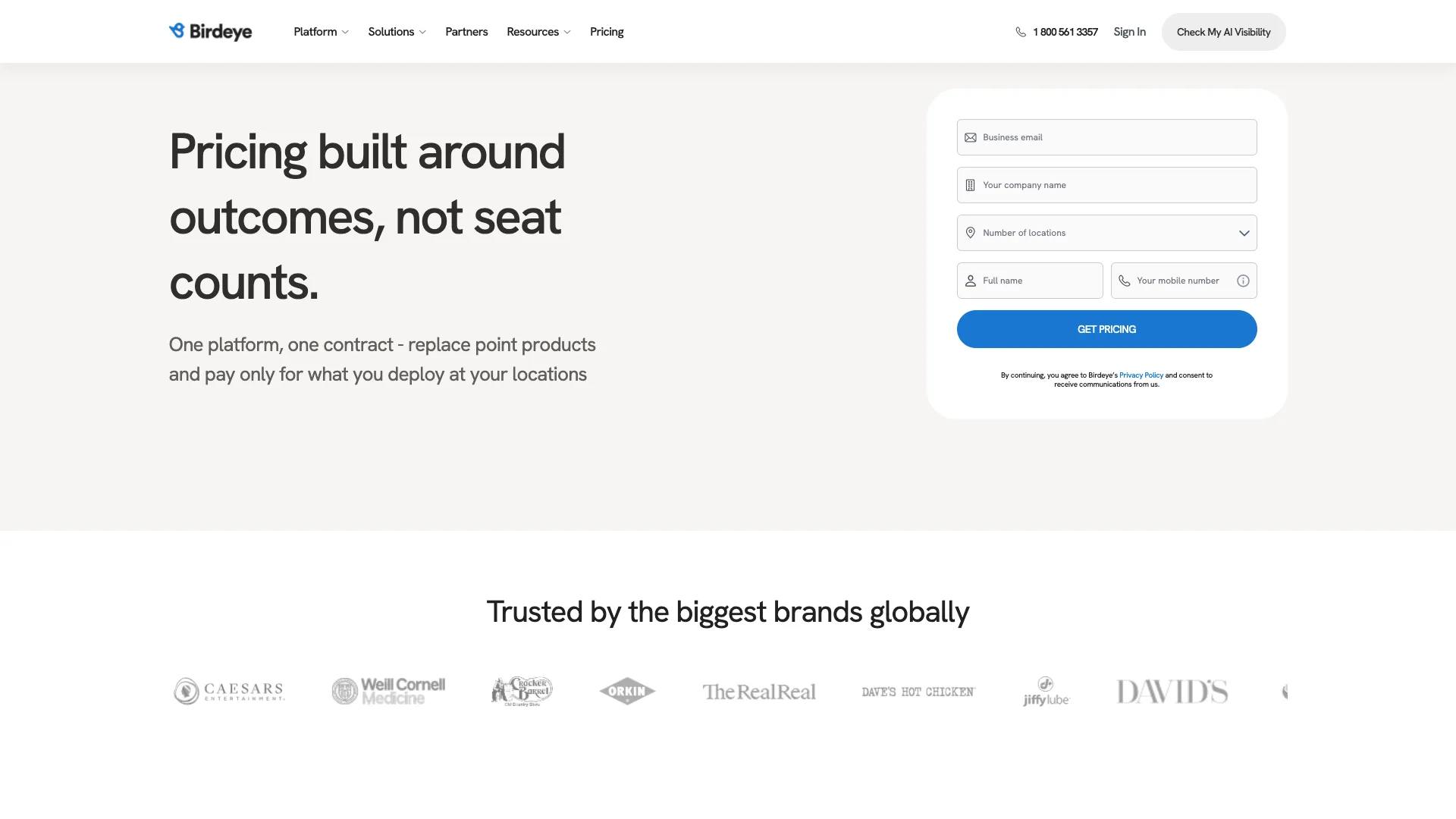 Jul 31, 2026
 Tech Stack
NiceJob vs Birdeye 2026: Pricing, Contracts and Review Gating
One of these vendors puts its price on the page and its cancellation terms in writing. The other puts a form in front of both, and the complaint record is where its contract length shows up.
Read Article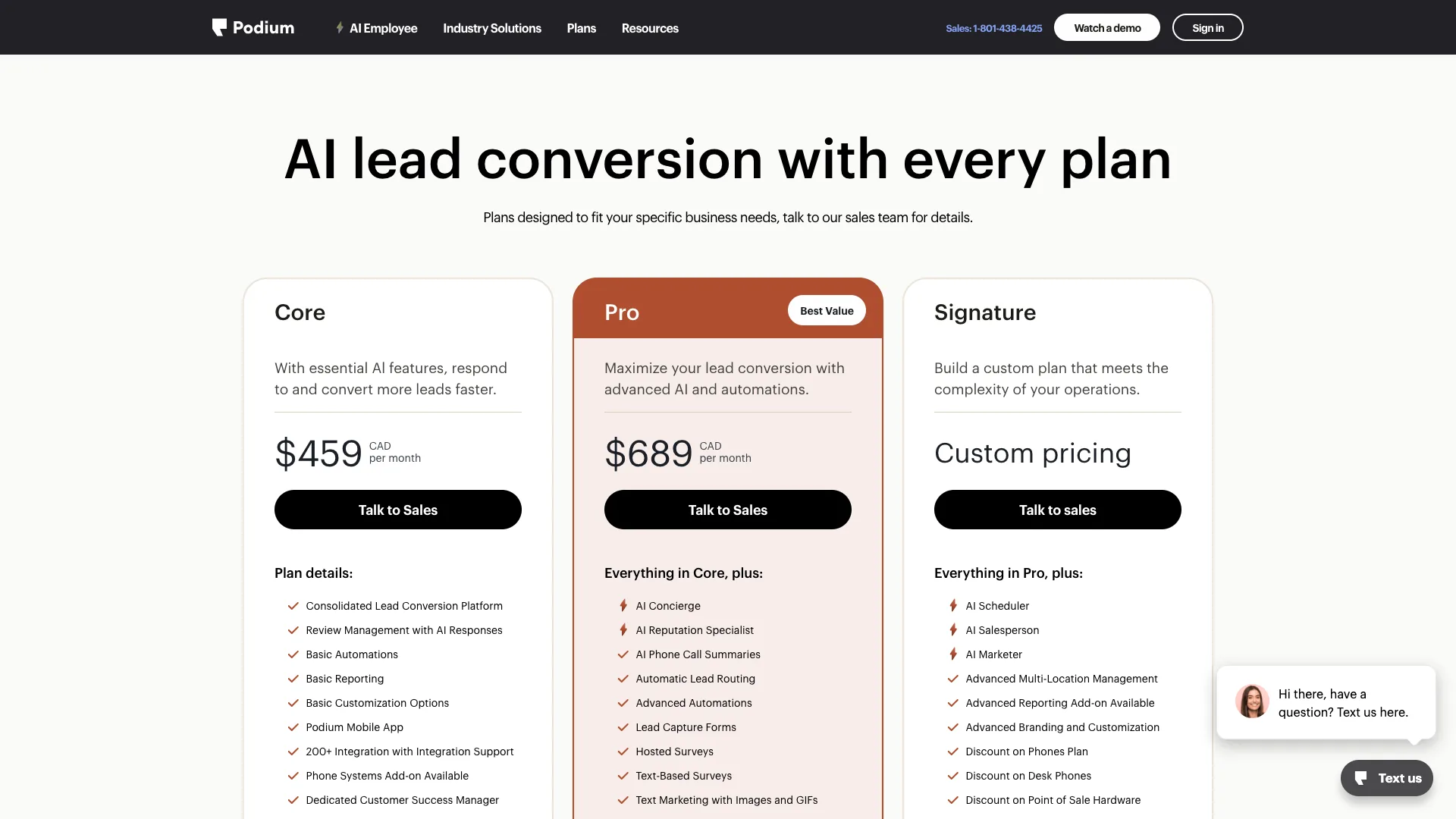 Jul 31, 2026
 Tech Stack
Podium vs Birdeye 2026: Pricing, Contracts and Review Gating
Only one of these two will tell you what it costs before a sales call, and even that number carries a carve-out aimed squarely at trade contractors.
Read Article Jul 31, 2026
 Tech Stack
Best Electrical Contractor Software 2026: 11 Ranked and Priced
An electrical contracting business makes two software purchases that do not substitute for each other, and every roundup answering this query covers only one of them. Eleven platforms, with a published price or an explicit statement that the vendor publishes none.
Read Article Jul 31, 2026
 Tech Stack
Best HVAC Software in 2026: Eleven Ranked Across Three Classes
An HVAC contracting business buys across three classes of software that do not substitute for each other, and every roundup answering this query covers only one of them. Eleven products, each with a published price or an explicit statement that the vendor publishes none.
Read Article Jul 30, 2026
 Tech Stack
AccuLynx Pricing 2026: The Real Cost of a Quote-Gated Plan
One published figure, two blank plan cards, and a contract that says things the pricing page does not. A line-by-line breakdown of what AccuLynx really bills.
Read Article Jul 30, 2026
 Tech Stack
Houzz Pro Canada Review 2026: Pricing and Alternatives
Houzz Pro serves different pricing renderings. What Canadian buyers see, how GST/HST and payments work, what Custom gates, and what the annual contract commits you to.
Read Article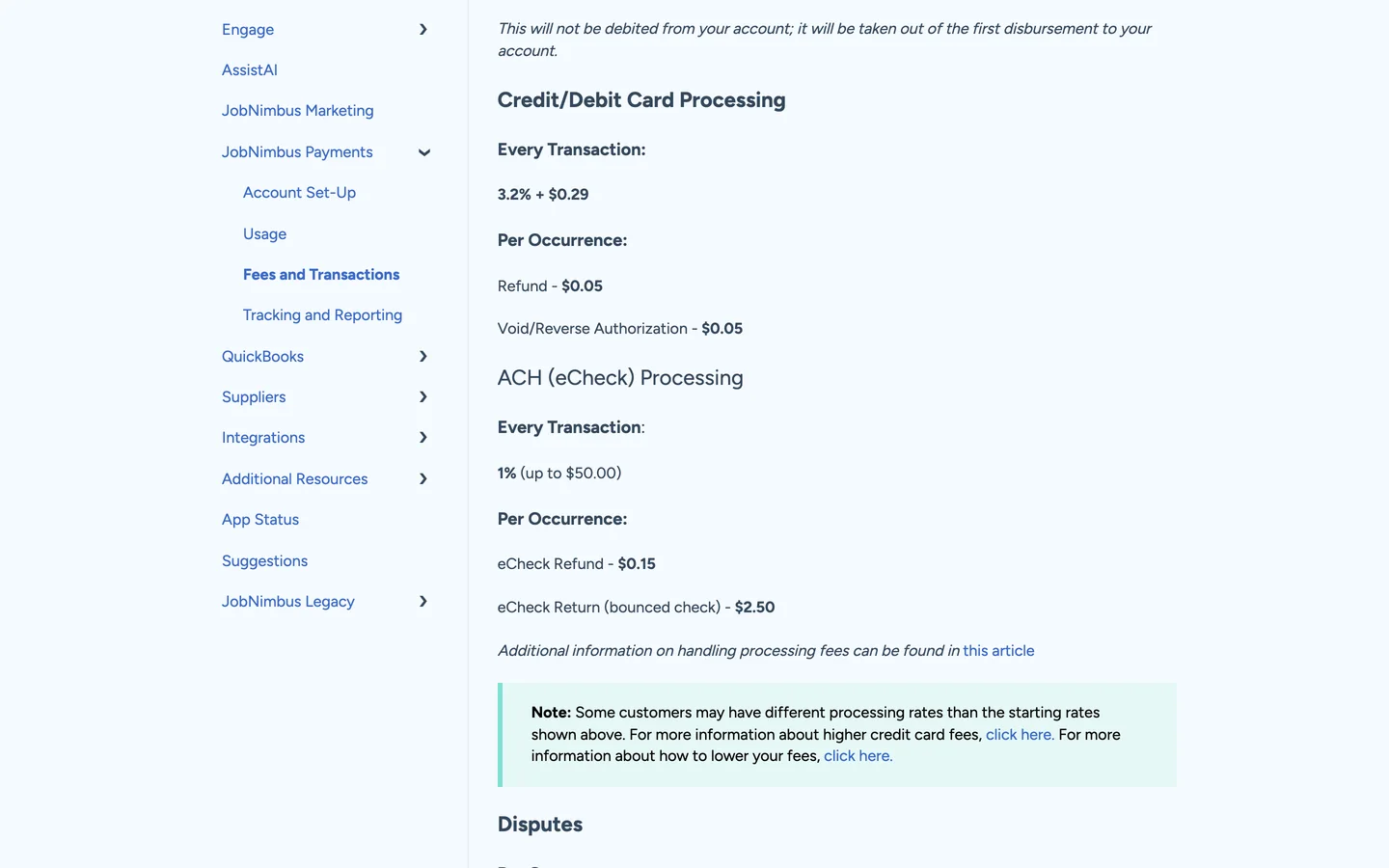 Jul 30, 2026
 Tech Stack
JobNimbus Pricing in 2026: What the Quote Does Not Cover
JobNimbus prints no figure on any of its four plans. So the only rate you can read before a sales call is the payments meter, and it is the biggest line on the bill.
Read Article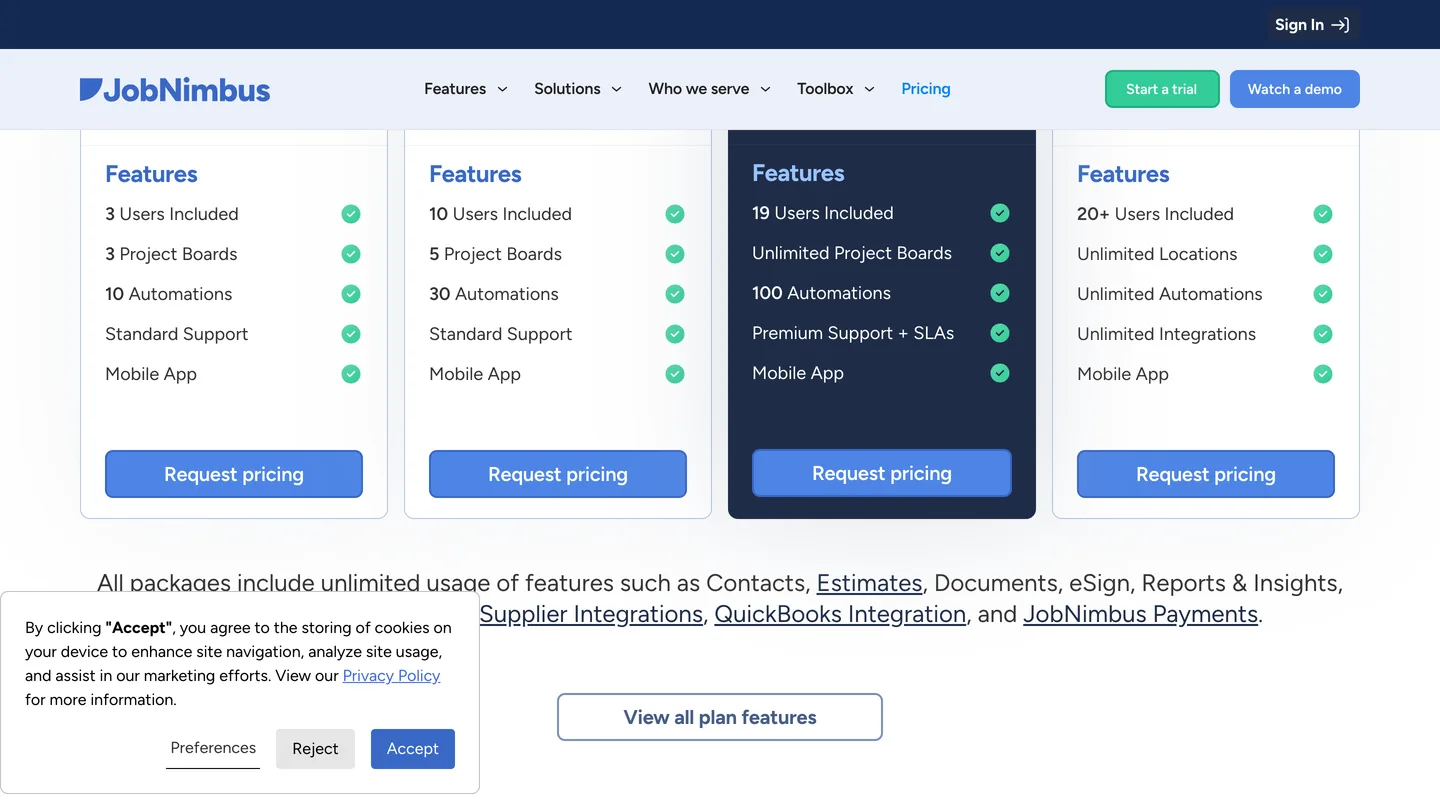 Jul 30, 2026
 Tech Stack
JobNimbus Review 2026: Pricing, Pros, Cons and Alternatives
JobNimbus rates 4.6 on Capterra and orders material straight from ABC Supply and SRS. But it publishes no price, and its supplement route carries a note.
Read Article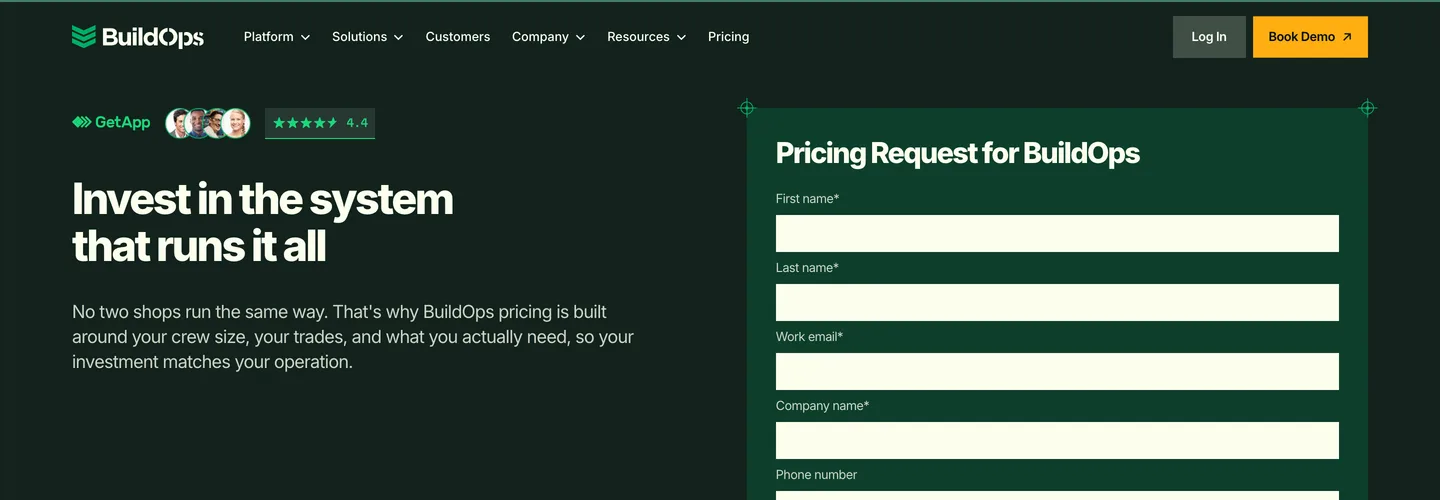 Jul 30, 2026
 Tech Stack
BuildOps Review 2026: Pricing, Contract Terms and Alternatives
BuildOps runs commercial service and projects on one platform, and publishes no pricing at all. The billing unit, the 30-day data-export window, and who it suits.
Read Article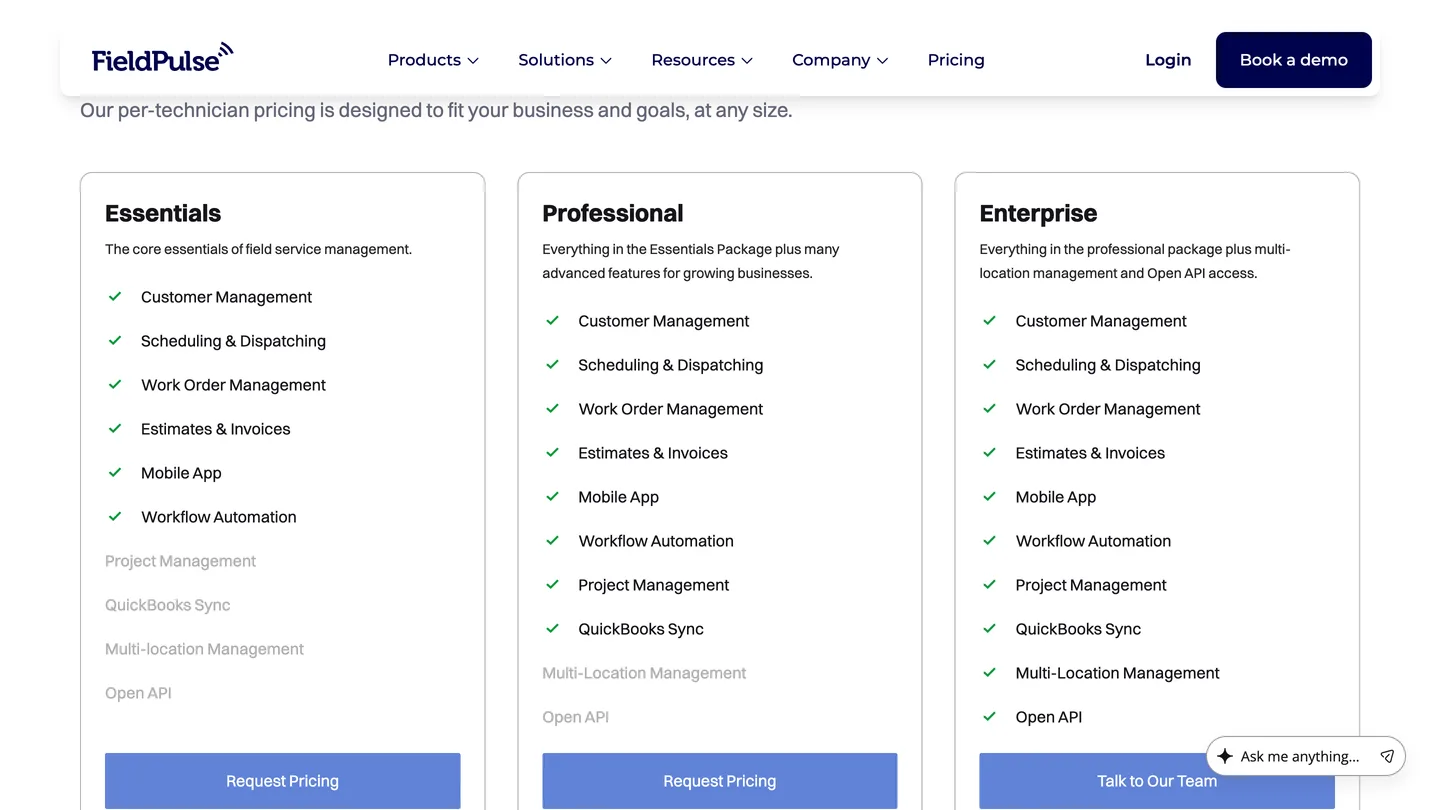 Jul 30, 2026
 Tech Stack
FieldPulse Review 2026: Pricing, Pros, Cons and Alternatives
FieldPulse rates 4.6 on Capterra and is the platform contractors name when they leave a bigger system. But it publishes no price, and the contract runs a year.
Read Article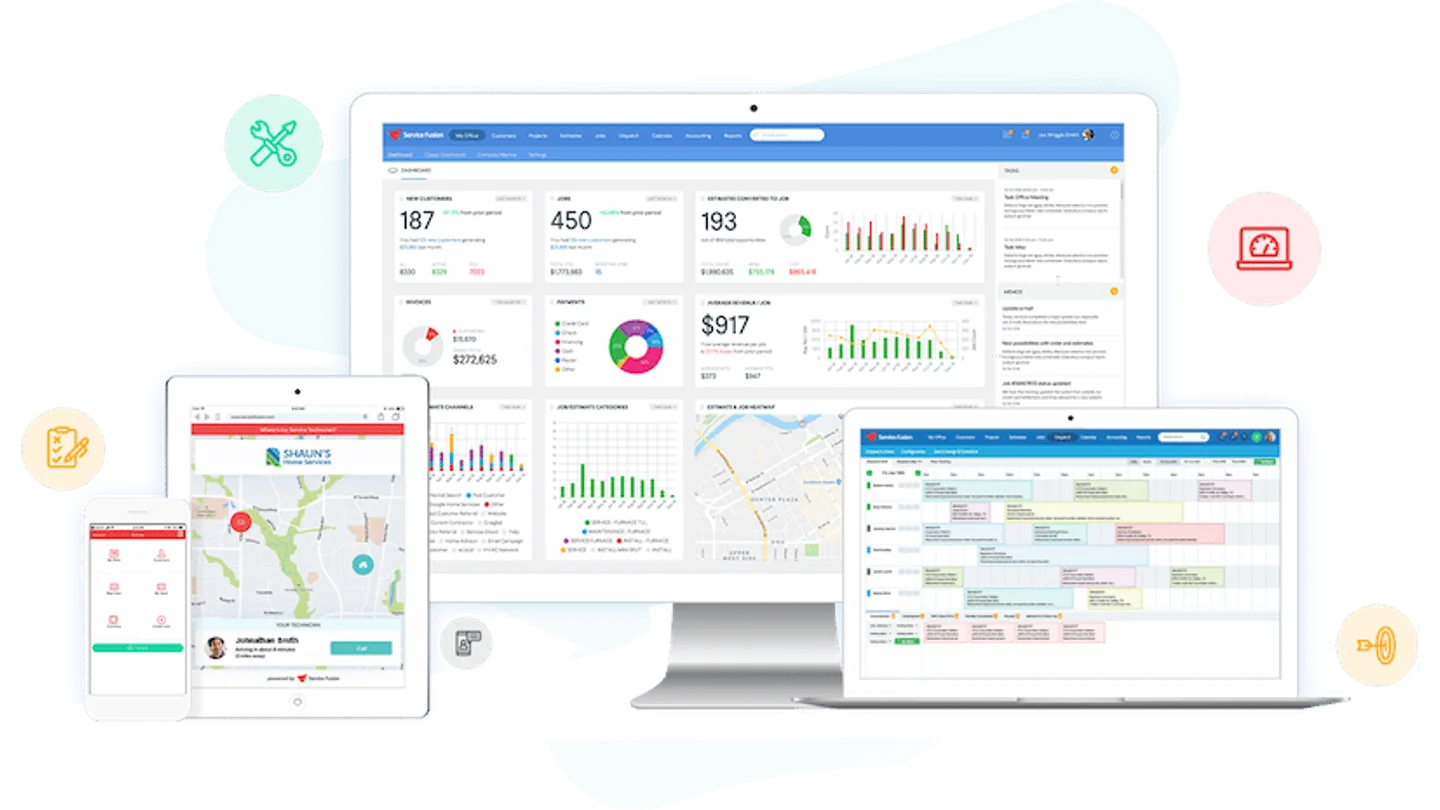 Jul 30, 2026
 Tech Stack
Service Fusion Review 2026: Pricing, Contract and Alternatives
Service Fusion bills flat per company with unlimited users, which is the best structural deal in field service software. The published plans, the contract behind the no-contract line, and the app score every other review gets wrong.
Read Article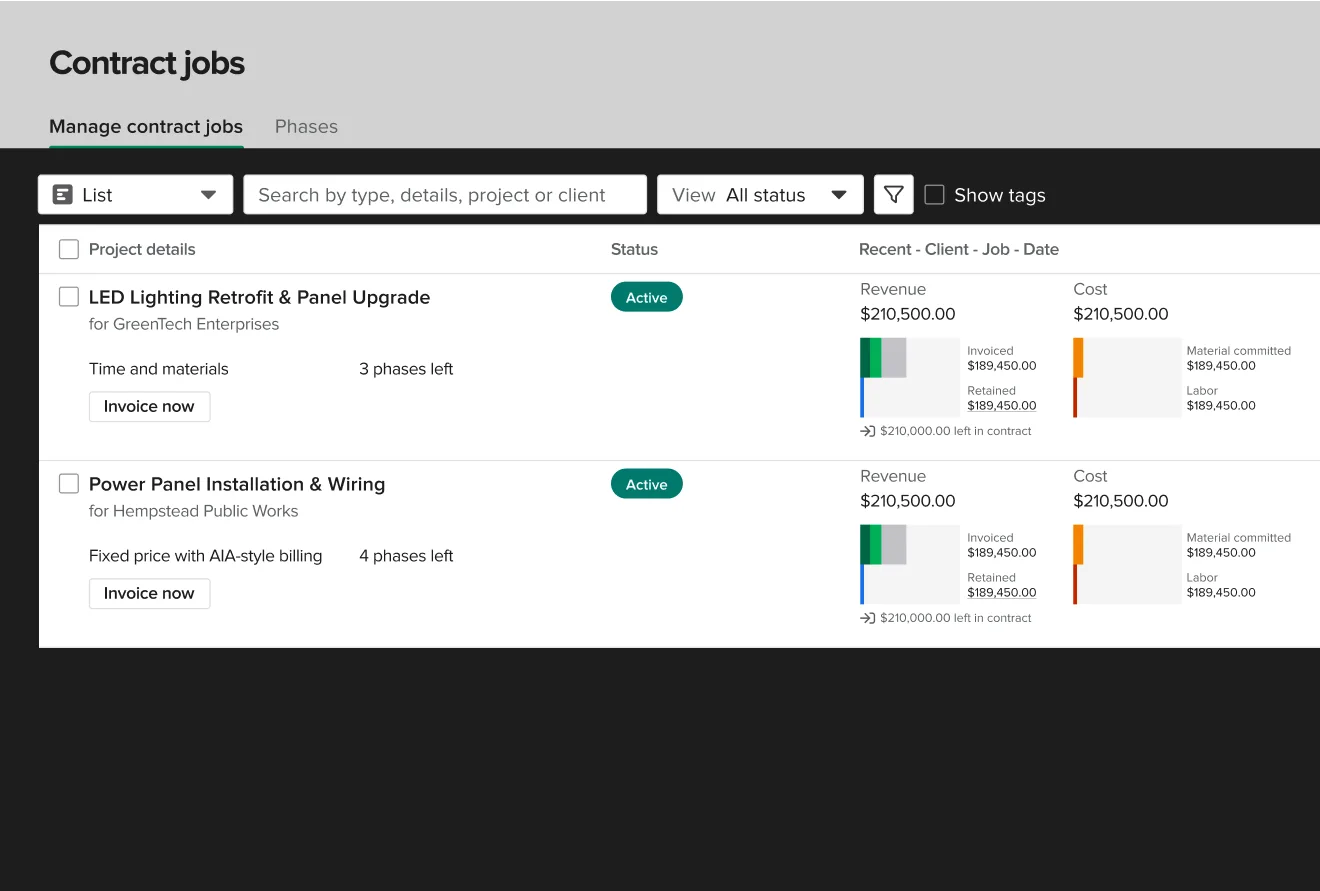 Jul 30, 2026
 Tech Stack
Knowify Review 2026: Pricing, Job Costing and Alternatives
Knowify rates 4.5 on Capterra and its weakest sub-score is features. What the $99 Core plan withholds, which way the QuickBooks sync really runs, and who should not buy it.
Read Article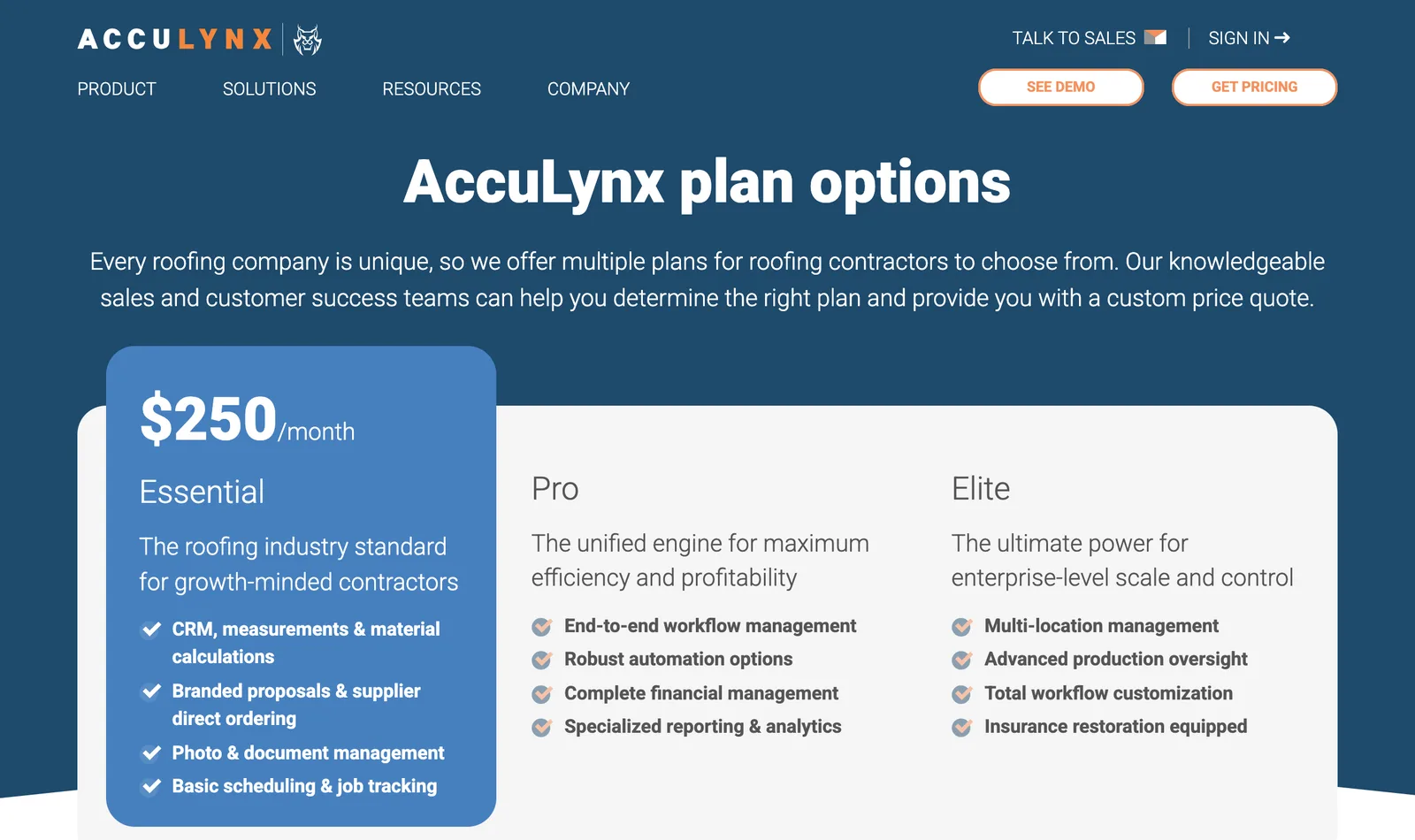 Jul 29, 2026
 Tech Stack
AccuLynx Review 2026: Pricing, Tier Gating, Alternatives
AccuLynx rates 4.6 across 846 reviews and now publishes an entry price. What that price omits, which tier holds the insurance workflow, and who should skip it.
Read Article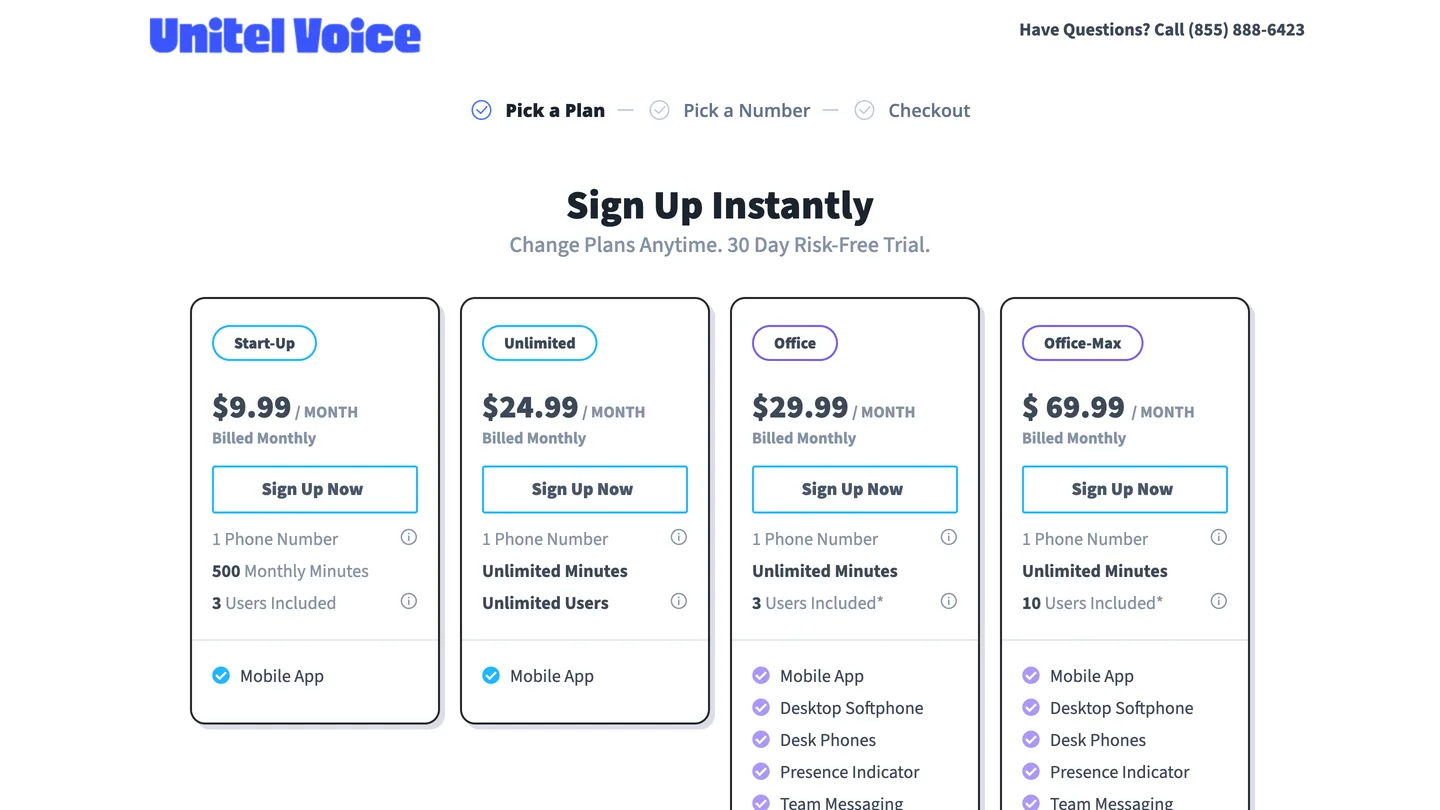 Jul 29, 2026
 Tech Stack
Unitel Voice Review 2026: Pricing, Features and Alternatives
Unitel Voice rates 4.6 on Capterra and gives a one-truck shop a business number for $9.99 a month. The published plans, the cost per call, and what it won't do.
Read Article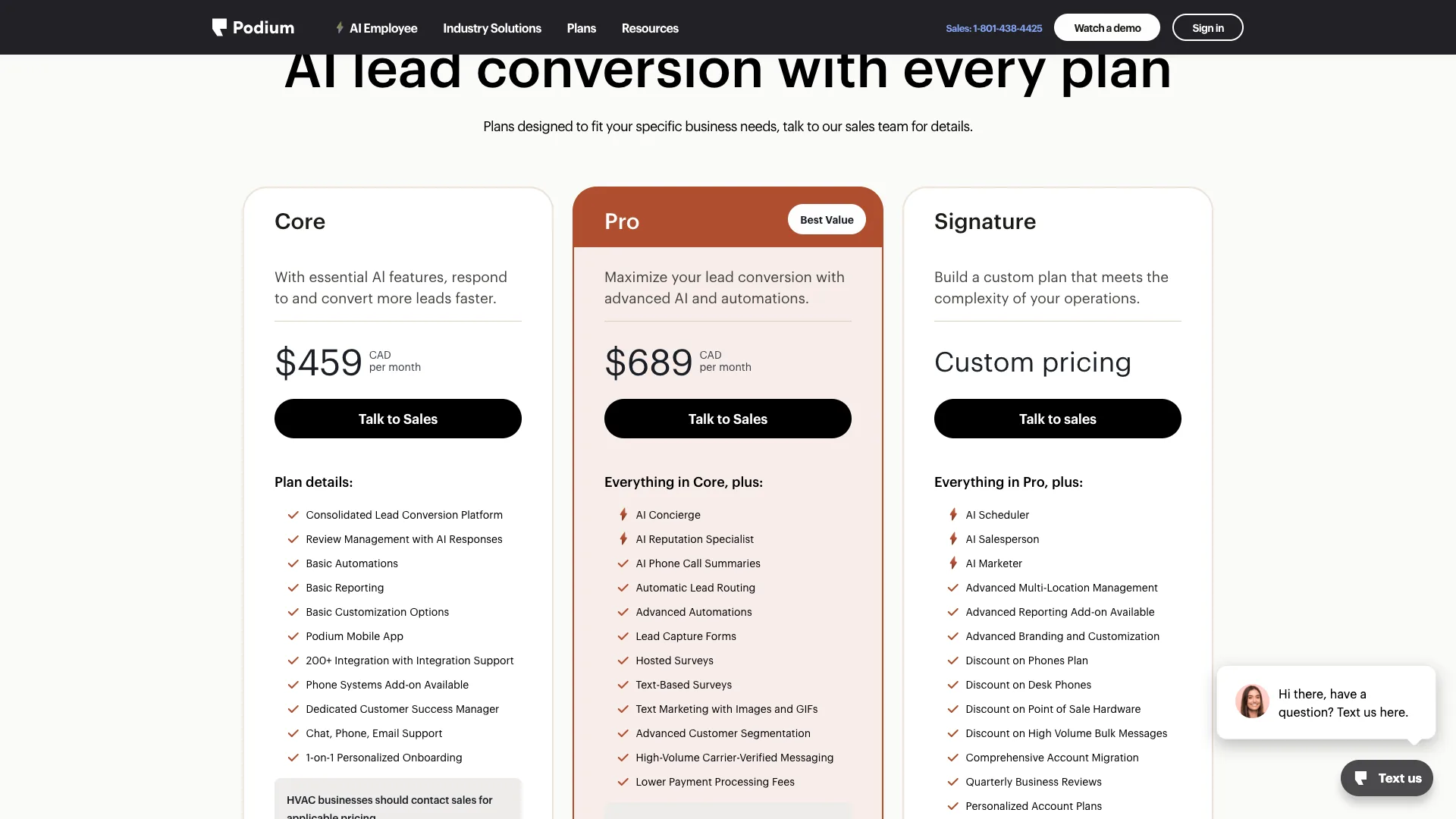 Jul 29, 2026
 Tech Stack
NiceJob vs Podium 2026: Pricing, Contracts and Review Gating
Both vendors print a price, at very different scale and in different currencies. The gap that matters is what Podium will not print: the billing unit, and whether a trade shop gets the number on the page.
Read Article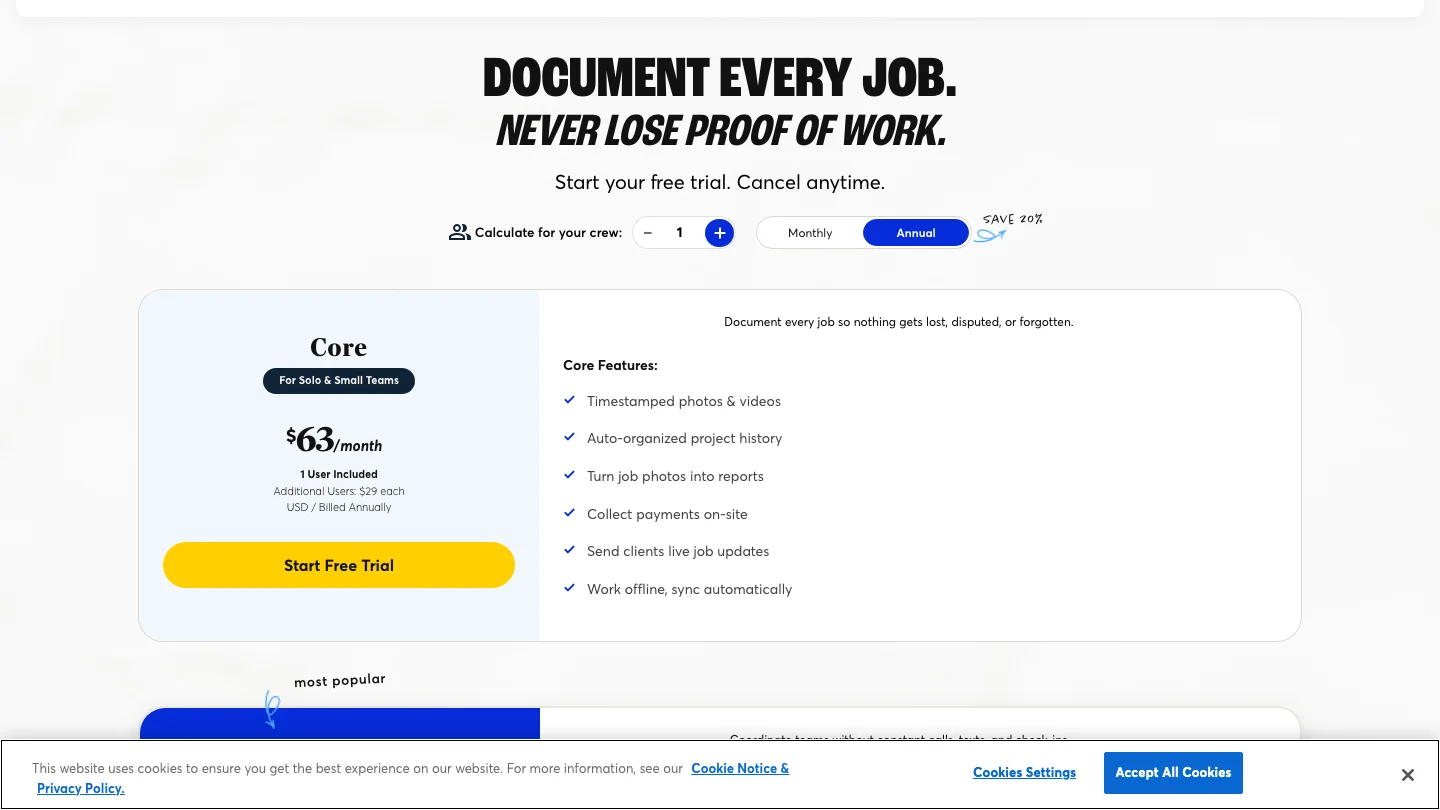 Jul 28, 2026
 Tech Stack
CompanyCam Review 2026: Pricing, Pros, Cons and Alternatives
Every page ranking for CompanyCam still quotes a per-user price the vendor no longer charges. Here are the real plans, the seat math, and who should skip it.
Read Article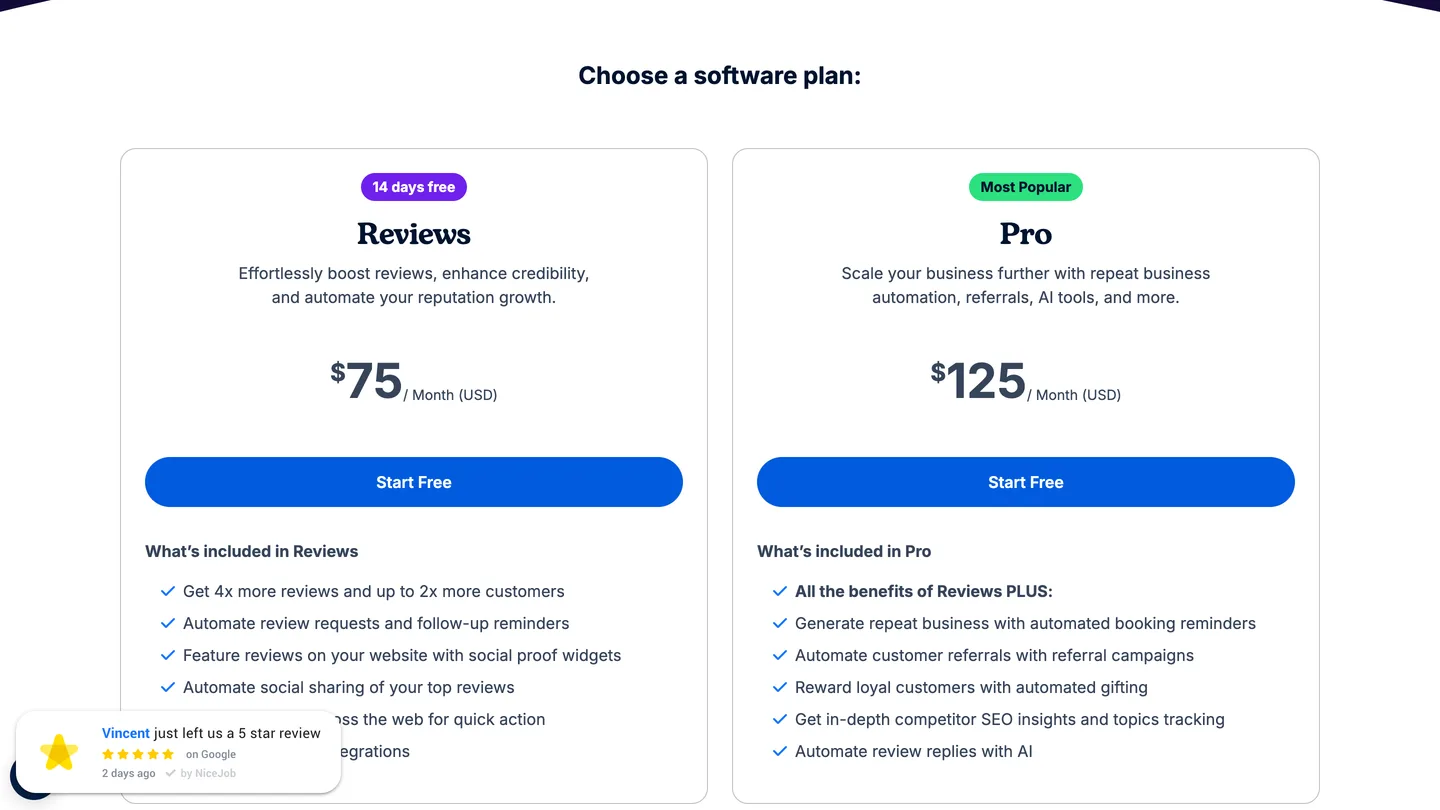 Jul 28, 2026
 Tech Stack
NiceJob Review 2026: Pricing, Pros, Cons and Alternatives
NiceJob rates 4.9 on Capterra and refuses to gate negative reviews. Real plan pricing, the active-customer threshold nobody publishes, and who should skip it.
Read Article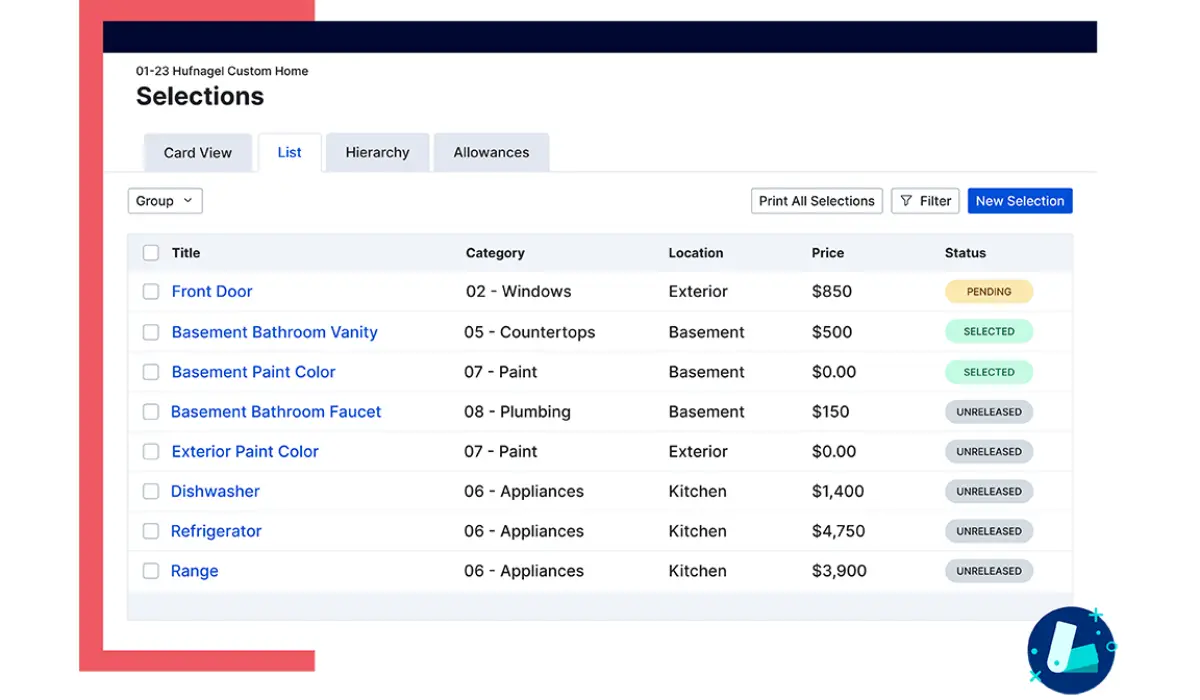 Jul 27, 2026
 Tech Stack
Buildertrend Review 2026: Pricing, Limits and Alternatives
Buildertrend rates 4.5 across 2,486 Capterra reviews and quotes against your revenue rather than your seat count. The workflows, the export problem, the alternatives.
Read Article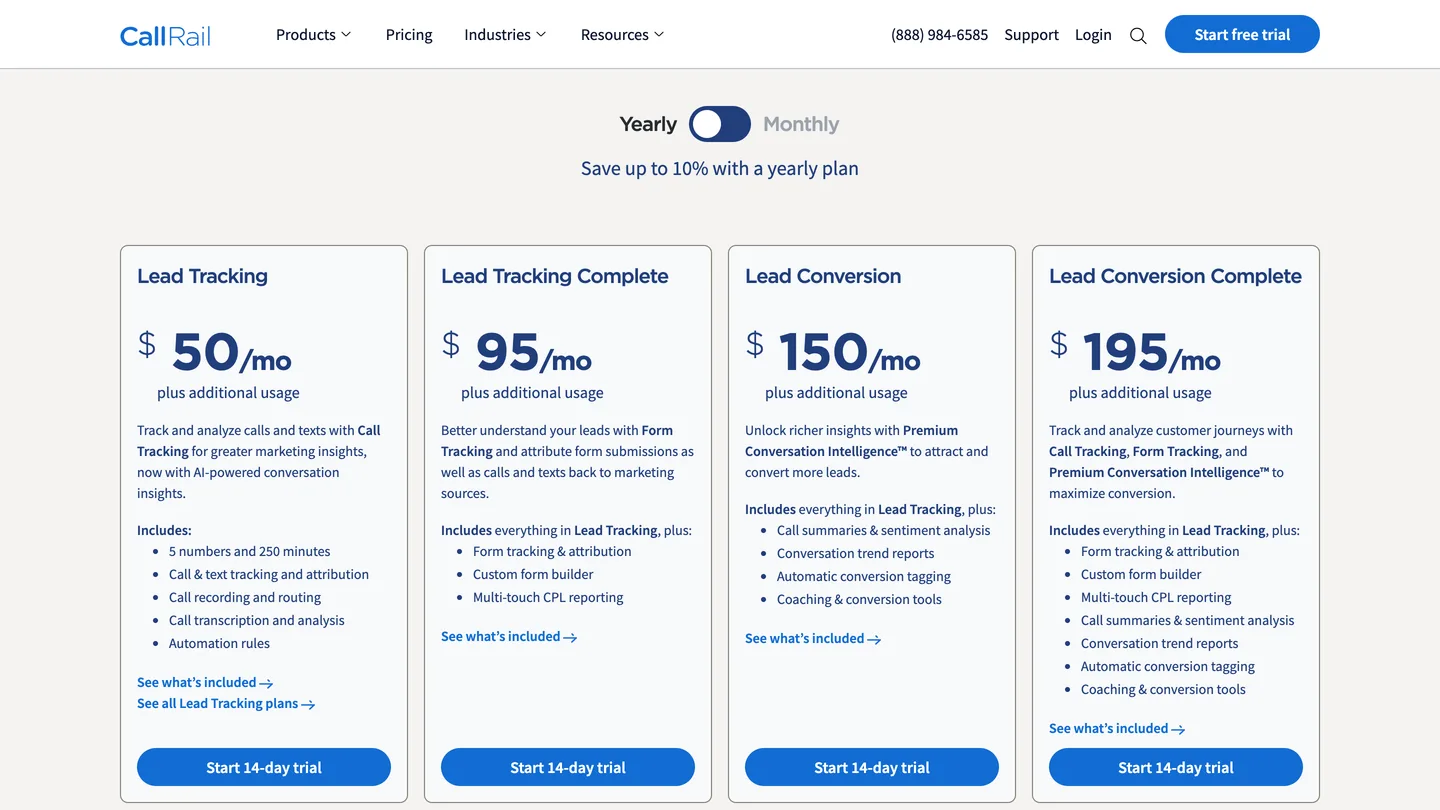 Jul 27, 2026
 Tech Stack
CallRail Review 2026: Pricing, Pros, Cons and Alternatives
CallRail rates 4.5 on Capterra, and its tracking numbers port out free. But the two usage rates that decide your real bill are the two it does not print.
Read Article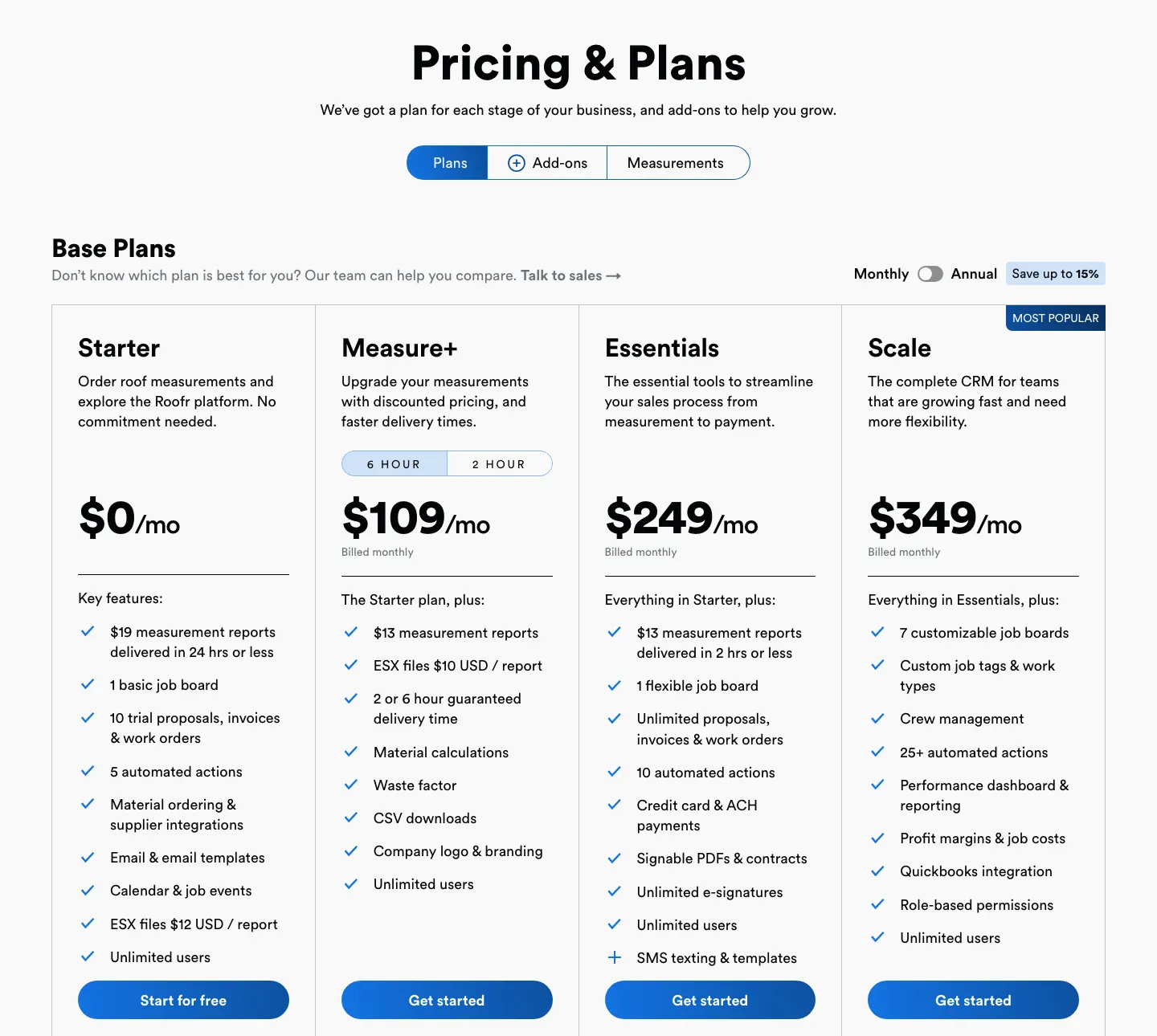 Jul 27, 2026
 Tech Stack
Roofr Review 2026: Pricing, Pros, Cons and Alternatives
Roofr rates 4.6 on Capterra and sells $13 measurement reports against a market charging triple. But it will not import a report from anywhere else.
Read Article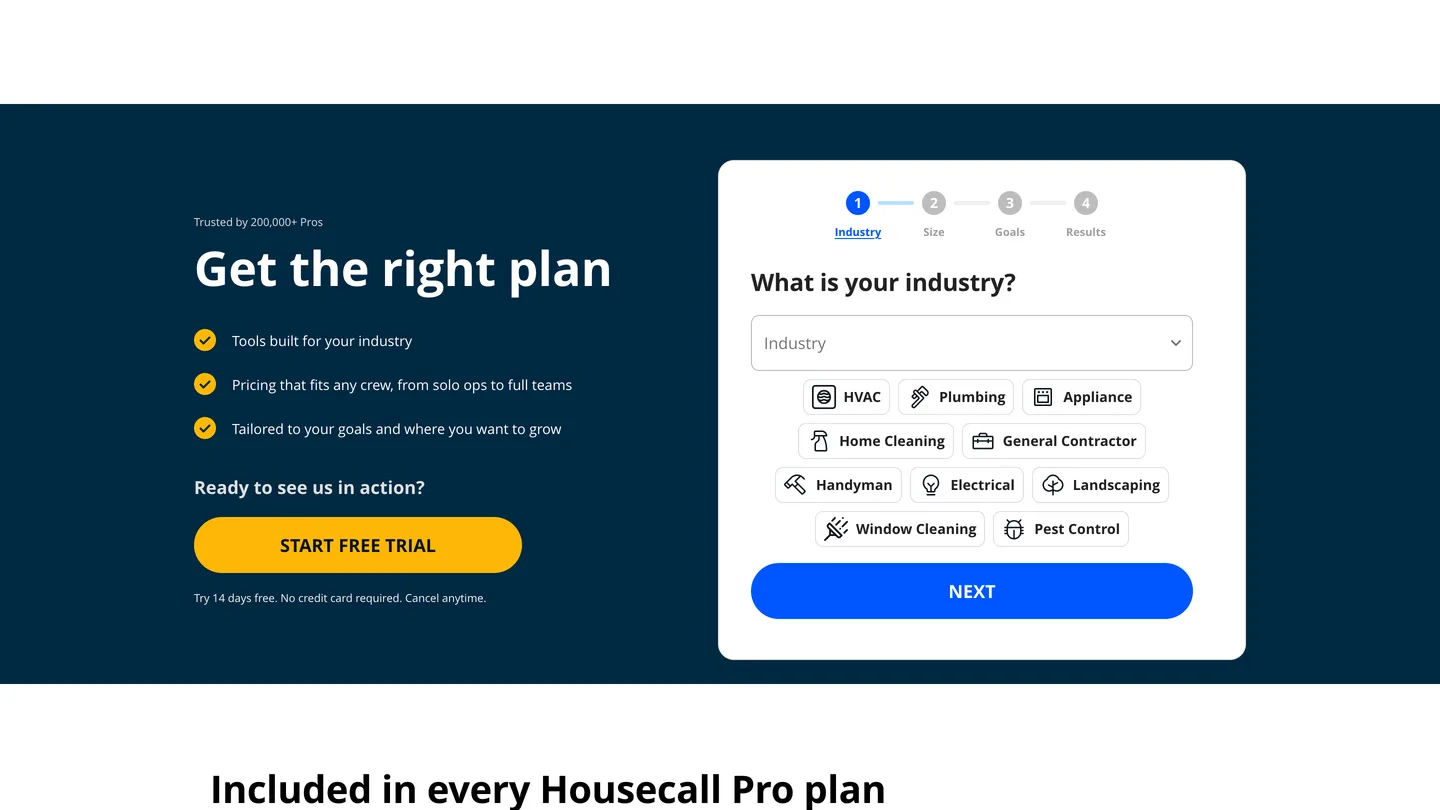 Jul 25, 2026
 Tech Stack
Housecall Pro Review 2026: Pricing, Pros, Cons, Alternatives
Housecall Pro has the shortest learning curve in the category and the widest review spread. Real pricing, the Instapay math, and the migration trap to plan around.
Read Article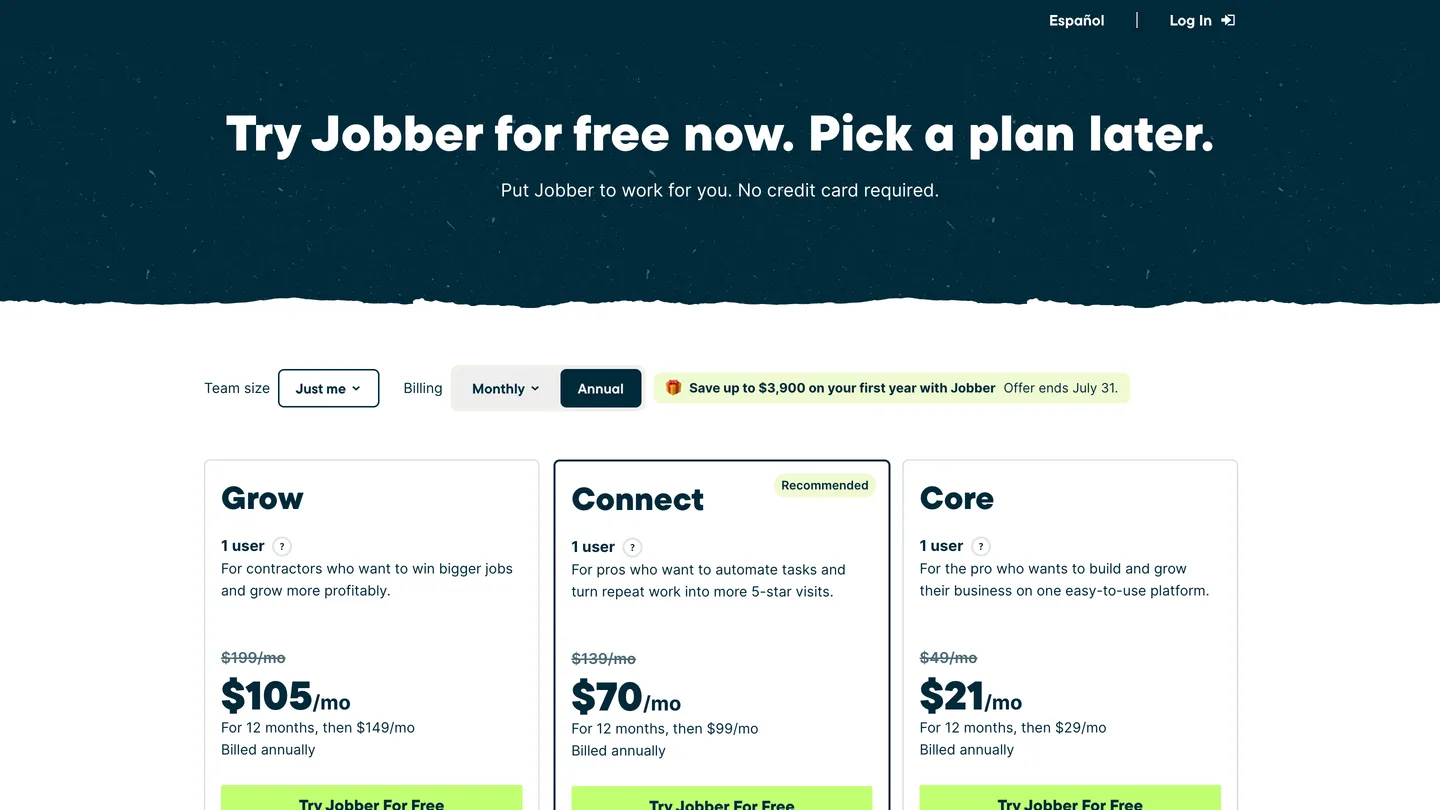 Jul 24, 2026
 Tech Stack
Jobber Review 2026: Pricing, Pros, Cons and Alternatives
Jobber rates 4.6 on Capterra with the best mobile app in the category. Real plan pricing, the feature gating that changes your entry price, and who it suits.
Read Article Jul 23, 2026
 Tech Stack
ServiceTitan Review 2026: Pricing, Pros, Cons, Alternatives
ServiceTitan rates 4.3 on Capterra but its weakest score is value for money. Real reported pricing, the 12-month contract, the exit fees, and who it actually suits.
Read Article Jun 3, 2026
 Tech Stack
HVAC Online Scheduling: The 43% Losing After-Hours Bookings
HVAC leads every trade on online booking at just 56.7%, which still leaves 43% of sites forcing an after-hours customer to wait for a business-hours phone call.
Read Article