ServiceTitan Review 2026: Pricing, Pros, Cons, Alternatives
ServiceTitan publishes no pricing. Contractors report 245 to 500 dollars per tech monthly, plus 5,000 to 50,000 implementation and a 12-month lock-in.
Disclosure This article features tools from our brand partners. If you choose to use them, we may receive compensation at no extra cost to you.
Our editorial choices are independent of these affiliate arrangements. Read our full affiliate disclosure.
Fervor is a CRO and web design studio, not a software reseller, and no vendor paid for placement here or for a kinder verdict. Affiliate links are flagged where they appear, and they never change what we report.
Page at a glance
ServiceTitan runs call booking, dispatch, estimates, invoicing, payments, memberships, marketing and reporting for residential and commercial trades on one platform. It publishes no pricing at all. Projul, TooledUpPro and FieldCamp separately report 245 to 500 dollars per technician per month, plus 5,000 to 50,000 dollars of implementation and a 12-month minimum with no free trial. It earns that from roughly 20 technicians up, where reporting depth and commercial work pay for the overhead. Under 15 technicians it's overhead you'll pay for and have nobody to operate. Dispatch, the membership engine and Marketing Pro are the strongest modules. The mobile app is the weakest at 3.4 out of 5, and support scores 4.0, the lowest of the four platforms compared here. Capterra rates it 4.3 across 336 reviews, and Value for Money is its worst sub-score at 3.8. The closest alternatives are FieldEdge, FieldPulse, Housecall Pro and Jobber.
The short verdict
ServiceTitan is the right buy for a residential and commercial service shop running about 20 technicians or more, with a dedicated office administrator to operate it and enough marketing spend that attribution changes decisions. At that size nothing else in this comparison reaches as far. Below 15 technicians it's the wrong purchase at almost any price, and the reason is the contract rather than the software.
Pricing on this page was verified 25 July 2026. And none of it came from the vendor, because the vendor publishes none.
| Pricing model | Per technician, per month, quote only |
|---|---|
| Reported cost | 245 to 500 dollars per technician monthly |
| Implementation | Reported 5,000 to 50,000 dollars, one time |
| Contract minimum | 12 months, 24 to 36 reported on larger accounts |
| Free trial | None |
| Best fit | 20-plus technicians, residential and commercial |
What works, and what to watch
Strong: the drag-and-drop dispatch board, the membership and recurring service engine, Marketing Pro with revenue attribution back to the booked job, a native phone system rather than an integration, progress billing for commercial work, and accounting that reaches Sage Intacct and Viewpoint Vista rather than stopping at QuickBooks.
Weak: the technician mobile app at 3.4 out of 5, support at 4.0 on Capterra, reporting that goes deep but bends badly, an undisclosed payment processing rate, per-technician billing that ignores your off-season, and exit terms that several complainants describe in five figures.
What ServiceTitan does
It runs the whole service business on one system. A customer calls, the call gets booked, the job gets dispatched from a board, the technician builds an estimate in the driveway, the invoice goes out, the payment lands, and the job costing shows up in a report. That's the pitch, and it's a fair description of what ships.
So the thing you're buying is consolidation. If you currently run scheduling in one tool, invoicing in another and a spreadsheet to reconcile the two, this replaces all three. ServiceTitan calls itself the operating system for the trades, and for once the positioning language is roughly accurate.
One wrinkle worth knowing before a demo, because it changes what you're being shown. ServiceTitan bought Aspire, FieldRoutes and Convex, and it kept them as separate products with separate roadmaps and separate support queues. So "ServiceTitan" on a sales call can mean any of several things. Landscape and pest crews in particular get walked through Aspire or FieldRoutes without the distinction ever being said out loud. Ask which product you're seeing and which one your contract names.
Who ServiceTitan is for
So the review data answers this better than the marketing does. On GetApp, 56 percent of reviewers work in construction and 52 percent name field service management as the primary use case, spanning small business through enterprise.
"56 percent of ServiceTitan reviewers work in construction and 52 percent name field service management as their primary use case."
GetApp (2026)
But third-party guidance is blunter about the floor. OneCrew says plainly it's not for you if you run fewer than 20 technicians, need to be operational in weeks rather than months, or want transparent pricing upfront. FieldCamp draws the good-fit line at 20 or more technicians, 5 million dollars or more of annual revenue, dedicated office staff, and a budget of 3,000 to 5,000 dollars a month.
"ServiceTitan fits shops at 20 or more technicians, 5 million dollars or more of annual revenue, dedicated office staff, and a budget of 3,000 to 5,000 dollars a month."
FieldCamp (2026)
And the commercial half of the industries page is the part worth reading: mechanical, refrigeration, plumbing, electrical, roofing, landscaping, kitchen equipment, water treatment, fire and life safety, dock and door. That commercial depth is rare and it's a real reason to choose it. Although Dean M. on Capterra names the obvious lineage, saying it was primarily built for the HVAC industry, which is worth weighing if your trade sits further from that centre of gravity.
Who should not buy ServiceTitan
And no sales rep will walk you through this part. Three profiles should walk away, and in every case the reason is a contract term or a billing mechanic rather than a missing feature.
Start with the owner-operator running two to five technicians who dispatches from a phone between jobs. There's no month-to-month option to fall back on. Every source we checked reports a 12-month minimum, and larger accounts report 24 to 36 month terms. Erik J., an owner writing on Capterra on 6 May 2026, puts the consequence in one line: he says he wasn't informed he was signing a 2-year contract. Add implementation at 5,000 to 15,000 dollars for a five to fifteen technician shop and you've committed a year of profit before the first job gets dispatched, with no office administrator to run what you bought.
Then any shop whose headcount swings with the calendar should walk too. Per-technician billing doesn't flex when a seasonal crew shrinks in winter, and that's the deal-breaker almost no review names. Run 22 technicians in July and 9 in January and you're billed against the July number for the whole term, unless you negotiated seat reductions before signing. Hardly anyone does. Nobody is thinking about February in July.
Then the shop with nothing to dispatch. A new construction install operation working off a builder's schedule, with a draw schedule, selections, allowances and a punch list, is running projects rather than service calls. The dispatch board is the centre of this product and the membership engine is its best module, and a pure install shop uses neither. You'd be paying per technician for a same-day scheduling engine on work booked six weeks ago.
What ServiceTitan costs
The published pricing, which is none
ServiceTitan's pricing page lists three tiers and not a single number. Starter covers dispatching, scheduling, call booking, invoicing and pricebook. Essentials adds mobile estimates and payroll. The Works adds configurable payroll, advanced reporting, commission tracking and customizable memberships. And every tier has a Request Pricing button where a price should be.
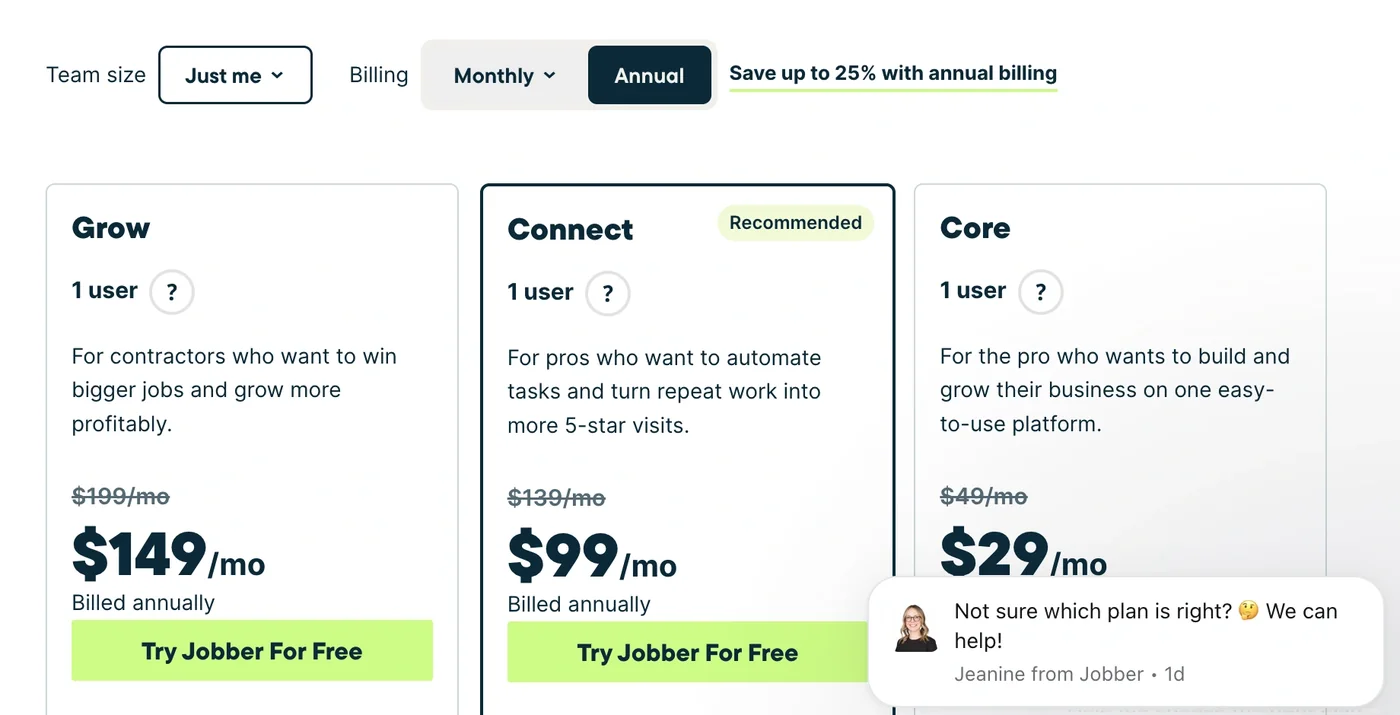
So you've something to anchor against: the two platforms in this comparison that do publish start at 79 dollars a month for Housecall Pro and 49 dollars a month for Jobber. ServiceTitan sits well above both once you reach the crew size it's built for. It just won't tell you by how much until you're on a call with a sales rep.
"Jobber publishes a starting price of 49 dollars a month."
Jobber (2026)
"Housecall Pro publishes a starting price of 79 dollars a month, against 49 dollars a month for Jobber."
Housecall Pro (2026)
What contractors report paying
Because the vendor publishes nothing, every dollar figure below comes from third-party roundups and should be read as an estimate. But three independent outlets converge closely enough to be useful. Projul, TooledUpPro and FieldCamp all report roughly 245 to 300 dollars per technician per month for Starter, 300 to 400 for Essentials, and 400 to 500 for The Works.
"ServiceTitan runs roughly 245 to 300 dollars per technician per month for Starter, 300 to 400 for Essentials, and 400 to 500 for The Works."
Projul (2026)
But the unit is what does the damage. Per technician, per month. Housecall Pro charges 329 dollars a month for eight users. On the reported ServiceTitan numbers, eight technicians on Essentials lands somewhere between 2,400 and 3,200 dollars a month. The software gets more expensive every time you hire, and it does so faster than a new technician's first month of revenue in most trades.
Implementation, modules and what year one really costs
And implementation is a separate one-time cost. TooledUpPro reports 5,000 to 15,000 dollars for a five to fifteen technician shop, 15,000 to 30,000 for fifteen to fifty, and 30,000 to 50,000 or more above that. Projul documents one operator whose implementation took almost eight months and cost nearly 25,000 dollars.
"ServiceTitan implementation runs 5,000 to 15,000 dollars for a five to fifteen technician shop, 15,000 to 30,000 for fifteen to fifty, and 30,000 to 50,000 or more above that."
TooledUpPro (2026)
Then the add-on modules stack on top of whichever tier you're on. TooledUpPro reports Marketing Pro at 500 to 1,500 dollars a month, Phones Pro at 300 to 800, and Pricebook Pro at 200 to 500. Projul reports Marketing Pro closer to 2,000. Those two disagree, so treat the range as wide rather than settled. Tammy K., an accounting lead writing on Capterra on 10 December 2024, says she wishes more of the Pro products were available to everyone and were a part of the standard package.
So run the arithmetic for a 20-technician shop on Essentials and you get roughly 6,000 to 8,000 dollars a month in seats, plus 15,000 to 30,000 of implementation, plus whatever Marketing Pro costs, against a 12-month minimum you can't leave. That's a six-figure first year. Payment processing sits on top of all of it and the rate isn't published anywhere, so the second largest recurring cost of running the platform is a number you can't model before the demo.
And you can't try any of it first. The first time you see your own customer list and your own price book inside the system is after you've signed.
Our read on the features
This next stretch is our judgment, module by module, after reading the documentation and the review corpus. It's kept separate from the crowd's own scores, which come further down under their own heading, so you always know whose opinion you're reading.
The dispatch board
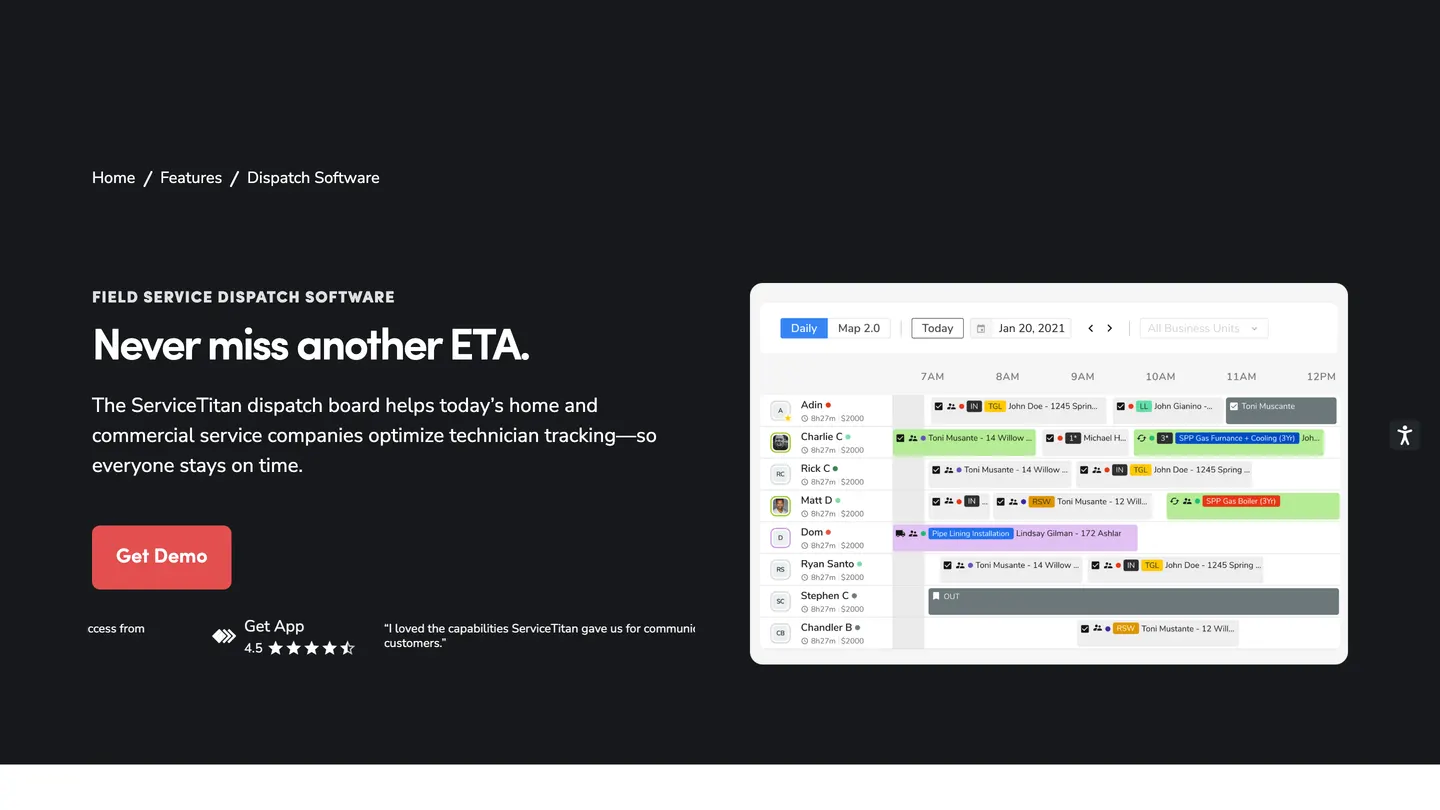
And this is the module reviewers praise most consistently, and it's the reason to buy. And the board is drag-and-drop with multi-day scheduling and capacity planning, and Sanjeev K., an office administrative manager in construction, calls the dispatch board overview amazing and easy to navigate. Scheduling automates from the moment a customer books, and customers get an automated text when a technician is on the way. If you're moving jobs between trucks all morning, this is the best version of that screen in the category.
Memberships and recurring service
And the membership engine is the quiet reason ServiceTitan wins HVAC shops. Maintenance agreements renew from a card on file rather than from somebody's follow-up list, the platform flags aging equipment for a change-out, and expiring agreements become a marketing target automatically. For a shop with a few hundred members, that's revenue you already earned and were losing to admin.
Estimates, invoicing and payments
So technicians build and present proposals in the field with good-better-best option comparison, which is the pattern most sales training in the trades teaches, and the flat-rate price book is what makes three options appear in ninety seconds instead of a callback. Invoicing includes progress billing that auto-generates pay applications on completed work, which matters for commercial jobs in a way it never does for a service call.
ServiceTitan Payments covers card readers, Tap to Pay on mobile with no hardware, Pay by Bank, ACH, payment links by email and SMS, mobile check capture and automated reconciliation. The vendor claims Payments customers get paid 40 percent faster, footnoted as illustrative of certain customers' success. What the page won't give you is the rate. It says processing fees vary by payment method, transaction type and your specific agreement, then hands you a Get Demo button.
"ServiceTitan claims Payments customers get paid 40 percent faster, footnoted as illustrative of certain customers’ success rather than a guaranteed result."
ServiceTitan (2026)
Marketing Pro and the phone system
And Marketing Pro is the module that most separates ServiceTitan from everything else here. It spans email, direct mail, reputation and ads, and the targeting works off operational data the platform already holds: unsold estimates, expiring memberships, aging equipment, idle accounts. Revenue attribution flows back in, so you can see which campaign produced which booked job. It also integrates Google Local Services Ads with instant booking. Phones Pro adds call tracking tied to revenue, two-way SMS and an AI voice agent. Very few competitors ship a native phone layer rather than a call-tracking integration.
Reporting
And reporting draws the most praise and the most criticism at once. Kade L. says there's so much data to uncover, and David P., a head of IT, praises building your own reports from templates. Our honest read: deeper than anything else in this comparison, and still not a business intelligence tool. The specific complaints are in the limitations section below.
The mobile app, which is the weak point
The field mobile app reads well on paper. Offline mode with full feature access and auto-sync on reconnect, digital forms, photo documentation, equipment-label reading, live pricebook, signature capture, card payments, timekeeping and Spanish language support. Worth noting that the offline scope here is genuinely better than Jobber's, where a technician can view scheduled work without a signal but can't create a job or take payment until the phone reconnects.
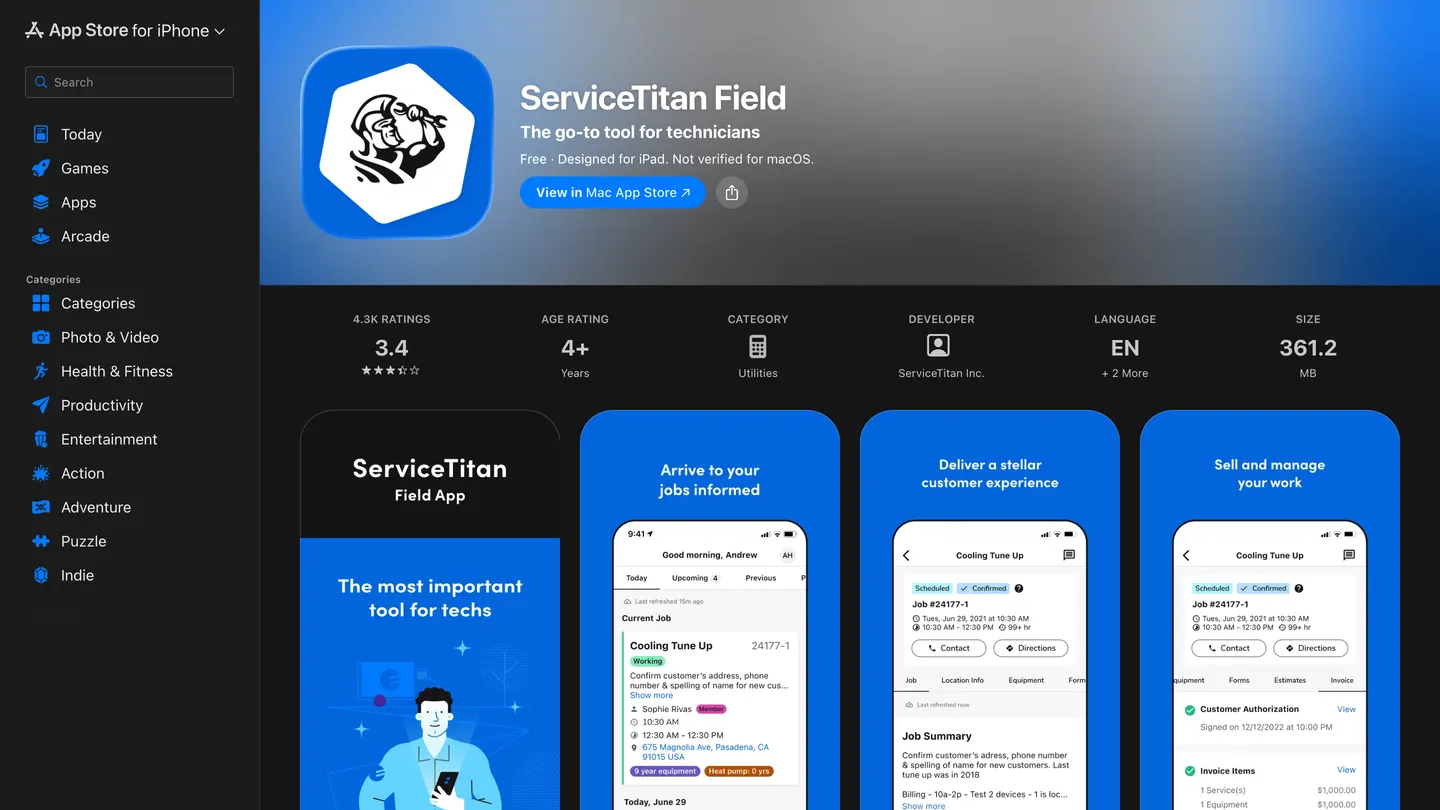
Then you look at the store listing. ServiceTitan Field rates 3.4 out of 5 across 4.3 thousand App Store ratings. One technician's review of the redesign reads: the user interface is extremely clunky, over engineered, disjointed. Others report actions that used to take one tap now taking several, and no iPad formatting. Housecall Pro's iOS app rates 4.6 across 28 thousand ratings, and Jobber's rates 4.8 across 20 thousand. Your technicians live in that app all day, so weigh it accordingly.
"ServiceTitan Field rates 3.4 out of 5 across 4.3 thousand App Store ratings, against 4.6 for Housecall Pro and 4.8 for Jobber."
Apple App Store (2026)
Atlas and Titan Intelligence
So Atlas is the AI layer ServiceTitan announced at Pantheon on 18 September 2025. You talk to it in plain English, typed or spoken, to run reports, find jobs, dispatch technicians or walk through a workflow. The interesting part is that it acts on its own: when your schedule is full it can throttle marketing spend, and it can trigger campaigns when demand goes quiet. Nothing else in this comparison ships that closed loop between capacity and advertising.
Where it falls short
Now, nearly every review in this category files "steep learning curve" under cons and moves on. A learning curve describes a feeling. These are the specific gaps instead, and you can check every one before you sign anything.
You can't test it first. Capterra's product listing shows no free trial and no free version, with the starting price given as contact vendor.
The Pro modules sit outside every tier. Marketing Pro, Phones Pro, Pricebook Pro and Scheduling Pro all bill separately on top of whichever tier you're on, and the reported monthly figures for the first three alone run from 200 to 2,000 dollars each.
Reporting is deep and hard to bend. Three reviewers land on the same complaint from three different jobs. Dawn J., a marketing director, says there aren't enough options for building reports. Brandon L., a service manager, says it's difficult to get reports the way he wants them. Mike B., a director of purchasing and technology, rates the platform 5 out of 5 and still calls it somewhat restrictive when it comes to reports.
The payment processing rate is undisclosed. ServiceTitan Payments says fees vary by payment method, transaction type and your specific agreement, and publishes no percentage.
The QuickBooks sync is incomplete. Reviewers name it repeatedly among the recurring complaints, which matters because accounting reconciliation is the workflow most shops assume will be solved on day one. Ask in the demo which objects move and in which direction.
The mobile app got worse, not better. It rates 3.4 out of 5 across 4.3 thousand App Store ratings, against 4.6 and 4.8 for the two cheaper platforms on this page. The redesign is the specific complaint.
Some features never ship in Canada. Jeff S., a general manager posting on 30 August 2024, gives that as his only con. If you run a Canadian shop, put it on the demo agenda by name rather than assuming parity.
Support tickets close without a fix. Khiana K. reports cases staying open for a few months and some getting closed with the answer that things are working as intended. Robin G. and David P. both rate the platform 5 out of 5 and both name support as the weak point. When your happiest reviewers flag the same thing, it's structural.
How the answer changes by trade
ServiceTitan's industries page lists more than twenty trades. A list that long tells you the product is horizontal, not that it fits you. What differs from one trade to the next is which module you're paying for, and that matters more than the price does.
An HVAC contractor is buying the membership engine, and that's the strongest case on this page. Every maintenance agreement member renews from a card on file, the platform flags aging equipment for a change-out, and Marketing Pro targets the unsold estimates and expiring agreements already sitting in your database. If your maintenance base is a few hundred members and growing, the reporting depth pays for itself faster here than anywhere else. We break the same maths down further in our HVAC marketing hub.
For a plumbing contractor the case rests somewhere else. The recurring work is the drain cleaning call and the water heater replacement rather than a seasonal tune-up, so the membership engine matters less and the dispatch board matters more. Press on the digital forms in the demo: if your technicians file a backflow test report for every assembly they touch, ask to see one built and submitted from the field app before you sign. A form that doesn't fit the jurisdiction's paperwork is a form your office rekeys by hand.
An electrical contractor gets the most out of the in-home estimating. The good-better-best option sheet suits a panel upgrade, where the homeowner is choosing between a 200-amp service, the same service with a surge device, and the version with a generator interlock. But if most of your revenue is bid commercial work priced off NECA labor units, you're buying a service platform for an estimating problem it doesn't solve.
A roofing contractor is the one who should probably pass, and the reason is shape rather than quality. A tear-off gets sold on a Tuesday and crewed three weeks out. You're not dispatching same-day, you've no maintenance agreements to renew, and the per-technician bill lands on crews measured in squares rather than truck rolls. The software will run. The modules you'd be paying for go unused. Our roofing marketing hub covers what a tear-off operation should be buying instead.
And a landscape contractor hits the seasonal problem harder than anyone. A mowing route is recurring work the platform handles well, and a maintenance contract bills like a membership. But your headcount in January is a fraction of your headcount in June, and the billing unit doesn't care. Get seat flexibility in writing or the winter months eat the margin the summer months earned.
What it connects to
And accounting is where ServiceTitan is strongest, and it's a genuine differentiator. Its accounting integrations page confirms QuickBooks Online and Desktop, Sage Intacct, Xero, Viewpoint Vista and Spectrum, NetSuite, Foundation Software, Acumatica, ComputerEase and Sage 50, plus a CSV fallback. So if you have outgrown QuickBooks, that Intacct and Vista support is a real reason to look here rather than at Jobber or Housecall Pro, neither of which reaches that far up the accounting stack. The QuickBooks sync itself draws recurring complaints for being incomplete, so confirm which objects move before you rely on it.
And payments run through ServiceTitan's own processor rather than a third party, which is why the rate is negotiated rather than published. Call tracking is native through Phones Pro instead of a CallRail-style bolt-on, and that's unusual in this category. The marketplace confirms Scorpion as the preferred digital marketing partner, supplier catalogs from Lennox and Trane, Thumbtack for leads, Nexstar Network and BDR for coaching, and iPermit for permitting. Third-party roundups list many more, including Mailchimp, Podium, Zapier and Power BI, which are not vendor-confirmed so we won't assert them.
Support quality
And Customer Service scores 4.0 on Capterra. On the same metric FieldEdge scores 4.4 and Housecall Pro 4.7. So ServiceTitan carries the weakest support score of the four platforms here while costing several times more than two of them.
But the structure explains some of it. ServiceTitan splits technical support from customer success, with a Customer Success Manager reachable through the TitanAdvisor portal between 8am and 5pm, and a separate Pro Product Specialist team for anyone who bought Pro modules. When your CSM is good, reviewers rave. James C., an owner posting on 4 March 2026, says his customer support experience with his CSM has been fantastic. The general queue is a different experience. Khiana K. describes a quick initial response, then cases that sit open for months, plus staff turnover that keeps changing her CSM.
So there's a workaround, and it costs you. Robin G., an office lead, rates ServiceTitan 5 out of 5 and still lists having to have a third-party company for support as her single con. Which points straight at a consulting industry that exists because tier one is not enough.
Contracts, exit fees and getting your data out
But the contract is where the real risk sits, so read it twice. ServiceTitan requires a 12-month minimum with no month-to-month option, and larger customers report being moved to 24 or 36 month terms. Early termination fees are reported as the full remaining contract balance.
The Better Business Bureau complaint record puts numbers on that. It shows 27 complaints closed in the last three years. One complainant on a 24-month agreement who had paid 4,802.50 dollars describes being quoted an early termination fee of 67,230 dollars, on a platform they say never reached a production-ready state. Another, ten days into a two-year contract, describes a 39,375 dollar buyout. These are complainant allegations rather than adjudicated findings, so read them that way. But they're consistent with Capterra, where John H., an owner in construction, writes that if you don't like it for any reason the only way to get out is pay roughly 22k.
"27 complaints against ServiceTitan closed in the last three years, including a 67,230 dollar early termination fee quoted to a complainant who had paid 4,802.50 dollars."
Better Business Bureau (2026)
And getting your data out is reported to be difficult too. Projul reports users needing legal help to retrieve their own business records, and a 60-day export window after cancellation. That's third-party reporting rather than vendor-confirmed policy, so raise it in negotiation rather than treating it as fact. One checkable detail that no review reports: ServiceTitan publishes detailed help documentation for importing out of Successware, FieldEdge and ServiceFusion, and nothing equivalent for leaving. Migration tooling points inward. Get the export terms in writing while they still want your signature.
What the reviewers report
Now the crowd's verdict, separated from our read on purpose. These are aggregated scores and recurring themes across hundreds of reviews. ServiceTitan scores 4.3 out of 5 across 336 Capterra reviews, with Ease of Use 4.1, Features 4.2, Customer Service 4.0 and Value for Money 3.8. Sentiment splits 85 percent positive and 11 percent negative. G2 reports 4.5 across 353 reviews, though G2 blocks automated access so we're reporting that rather than confirming it.
"ServiceTitan scores 4.3 out of 5 across 336 reviews, with Ease of Use 4.1, Features 4.2, Customer Service 4.0 and Value for Money 3.8, its weakest sub-score."
Capterra (2026)
Consistent praise: consolidating several tools into one, the dispatch board, the depth of reporting data, complete job and call history in one record, a genuinely good customer success manager when you get one, configurability, the ease of hiring staff who already know the system, membership handling, and the Sage Intacct sync.
Consistent complaints: price relative to value, bugs after updates, slow support, a long and poorly communicated implementation, contract exit costs, sales representatives who oversold what the system would do, account manager churn, the inventory module, incomplete QuickBooks sync, and the mobile app. Khiana K., a dispatcher writing on 26 June 2026, gives the sharpest version of the support complaint: cases stay open for months, and some get closed without a resolution, or with being told things are working as intended.
How it compares
Here is how it lines up against the three platforms contractors most often shortlist alongside it. Ratings are Capterra unless noted, because that's the only source of the four that permits verification.
| ServiceTitan | FieldEdge | FieldPulse | Housecall Pro | |
|---|---|---|---|---|
| Starting price | Quote only. Reported 245 to 500 dollars per technician monthly | Quote only. Reported about 100 dollars per office user plus 125 per technician | Quote only. Reported about 65 to 90 dollars per user monthly | Published. 79 dollars monthly, 59 annual |
| Implementation fee | Reported 5,000 to 50,000 dollars | Reported 500 to 2,000 dollars | None reported | None |
| Best for | 20-plus technicians, residential and commercial, heavy reporting needs | HVAC, plumbing, electrical, locksmith, appliance repair | Mid-market teams wanting customization without a five-figure setup | 1 to 20 employee residential shops wanting speed over configurability |
| Capterra rating | 4.3 of 5, 336 reviews | 4.2 of 5, 309 reviews | 4.6 of 5, 473 reviews | 4.7 of 5, 2,742 reviews |
| Value for money | 3.8 | 3.9 | 4.5 | 4.6 |
| Customer service | 4.0 | 4.4 | 4.7 | 4.7 |
| iOS app rating | 3.4 of 5, 4,300 ratings | Not verified | 4.0 of 5, 113 ratings | 4.6 of 5, 28,000 ratings |
| Offline scope | Full feature access, syncs on reconnect | Not documented | Not documented | Partial |
| Flat-rate price book | Included, Pricebook Pro billed separately | Included | Included | Essentials tier and above |
| Trial | None | None published | None published | 14 days, no card required |
| Contract | 12-month minimum, 24 to 36 months reported for larger accounts | Month-to-month available | Not documented | No long-term contract, auto-renews |
| Key differentiator | Marketing Pro, native phones, Atlas AI, franchise and enterprise tiers | Best customer-service score of the four, QuickBooks heritage | Customization without the five-figure setup | Transparent pricing and self-serve signup |
And which one wins tracks crew size almost exactly. Small residential shops weigh ServiceTitan against Housecall Pro and Jobber and usually sign with one of those on price. Mid-market teams put it against FieldPulse and FieldEdge, where the deciding question is customization against a five-figure setup. The operators who choose ServiceTitan anyway are nearly always the ones who ran a lighter platform first and outgrew its reporting or its commercial-work handling. So if you've not hit that ceiling yet, the alternative you're already shortlisting is probably the right buy.
The verdict, by crew size
Solo operator to 5 crew members
No, and it's not close. On the reported per-technician pricing, five technicians on Starter runs roughly 1,225 to 1,500 dollars a month before implementation and before modules. You'd be paying somewhere near twenty times Housecall Pro's Basic plan for capability you've no staff to operate. Every good-fit analysis we found puts the floor well above you.
5 to 15 crew members
Probably not, and the deciding question isn't the software. It's whether you've a dedicated office administrator whose actual job is running the system. Implementation alone runs 30 to 90 days and someone has to own it. If you've just hired an office manager and you're serious about commercial work, it becomes arguable. FieldPulse and FieldEdge are the more sensible shortlist at this size.
15 to 30 crew members
This is where it starts to make sense, and the answer turns on trade mix. If you're residential-only with a straightforward service model, Housecall Pro MAX or Jobber Plus probably still covers you for a fraction of the cost. But if you run commercial alongside residential, need progress billing, or your marketing spend is large enough that attribution changes decisions, ServiceTitan starts earning its price. Budget honestly: 20 technicians on Essentials plus implementation is a six-figure first year.
30-plus crew members and multi-location
Yes, with your eyes open. At this size the reporting depth, capacity planning, franchise tiering and marketing attribution stop being luxuries, and nothing else in this comparison reaches here. Negotiate hard on four things specifically: the implementation fee, seat flexibility for your off-season headcount, the Pro module pricing, and the data export terms. All four are where the reported pain concentrates, and all four are negotiable before signature and not after.
The number nobody checks
Now, Fervor is a CRO and web design studio, not a ServiceTitan alternative. But whichever platform you pick, it can only work on jobs that reach it. That's the gap we happen to have data on.
In May 2026 we inspected 380 home services contractor websites for the Contractor CRO Index 2026. Every platform on this page, ServiceTitan included, ships a booking widget you can put on your website today. Only 40% of those sites offer online scheduling at all. That's 152 sites with it and 228 without. The State of HVAC report breaks the same finding down by trade.
"Only 40% of 380 home services contractor websites offer online scheduling at all, leaving 228 with no way to book outside business hours."
Fervor Studio Contractor CRO Index (2026)
So a meaningful share of contractors are paying for software whose booking feature never reaches the one page their customers visit. You can buy the 400-dollar-per-technician tier and still lose the booking, because the widget is switched off inside a platform your homeowner never sees. And 82.8% of those sites had poor mobile loading performance, so even the ones with a widget often make the visitor wait for it.
"82.8% of the 380 contractor websites inspected had poor mobile loading performance."
Fervor Studio Contractor CRO Index (2026)
Pick the platform that fits your crew size and your trade mix. Then go and check whether its booking widget is live on your website, on a phone, at nine on a Tuesday night when someone's furnace has quit. The full statistics are public if you'd rather check the numbers yourself.
See what your website does with the leads your software never gets
Fervor inspects your site the way a homeowner uses it, then shows you the specific places bookings leak out. It takes 5 business days and the first several each week are free.
Get a Site InspectionWhat we tested, and what we didn't
So we didn't run ServiceTitan. There's no free trial and no free version, so a hands-on test would have required signing a 12-month contract, and we aren't going to pretend otherwise. What this page is instead: vendor documentation read in full, the public review corpus read by category rather than by star rating, complaint filings, and app store listings. Pricing verified 25 July 2026. Every claim above traces to one of the sources below, and the ones we couldn't confirm are labelled as reported rather than stated as fact.
Sourcing works like this. Every figure above is attributed where it appears, to the organisation that published it and the page it sits on. Reported pricing comes from Projul, TooledUpPro, FieldCamp, OneCrew and ITQlick, and no vendor confirms any of it, which is why it reads as reported rather than stated. Review data comes from Capterra, GetApp and the Apple App Store. The G2 score quoted earlier is repeated rather than verified, because G2 blocks automated access. Complaint records come from the Better Business Bureau.
If you want to evaluate ServiceTitan directly, its product site is the place to request pricing, since none of the numbers on this page came from the vendor.
What ServiceTitan users say
It's very much a love-hate relationship.
My Customer Support experience with my CSM Kima has been fantastic.
ServiceTitan has numerous bugs and system flaws, making it not worth five times the cost of Housecall Pro.
The implementation process was extremely time-consuming and not informative.
I was not informed I was signing a 2-year contract.
They auto renew your contract without any notification
If you don't like it for any reason the only way to get out is pay roughly 22k.
ServiceTitan let us consolidate software, and their ongoing support is fantastic
ST has transformed our company, and has helped up define processes and procedures, and work more efficiently.
My overall experience has been good; they have some great people that work at Service Titan
Frequently asked questions
How much does ServiceTitan really cost?
ServiceTitan publishes no prices. Its pricing page shows three tiers, Starter, Essentials and The Works, each behind a Request Pricing button, and Capterra lists the starting price as a custom quote with no trial. Independent roundups from Projul, TooledUpPro and FieldCamp converge on roughly 245 to 500 US dollars per technician per month depending on tier, plus a one-time implementation fee reported between 5,000 and 50,000 dollars scaled to crew size. Those per-technician figures are third-party estimates, not ServiceTitan numbers. Because the model is per technician, the bill rises every time you hire.
Is ServiceTitan worth it?
It depends almost entirely on your crew size. ServiceTitan scores 4.3 out of 5 across 336 Capterra reviews, but its lowest sub-score is Value for Money at 3.8, the weakest of the four platforms compared here. Reviewers running large operations describe it as the only system deep enough to scale into. Reviewers running small ones describe it as expensive and slow to implement. Third-party guidance puts the practical floor at roughly 20 technicians and 5 million dollars in revenue.
Does ServiceTitan require a contract?
Yes. Multiple independent sources report a 12-month minimum with no month-to-month option, and larger customers report 24 to 36 month terms. That matters because leaving early is expensive. Complaints filed with the Better Business Bureau describe early termination fees of 67,230 dollars on a 24-month agreement, 39,375 dollars ten days into a two-year contract, and roughly 19,596 dollars referred to collections. Those are complainant allegations rather than adjudicated findings, but 27 complaints were closed against the company in the last three years.
Can ServiceTitan integrate with QuickBooks?
Yes, with both QuickBooks Online and QuickBooks Desktop, and ServiceTitan also connects to Sage Intacct, Xero, NetSuite, Acumatica, Viewpoint Vista and Viewpoint Spectrum, with a CSV fallback for anything else. Reviewers do report limits on how much syncs automatically. One president writing on GetApp says only purchase receipts sync to QuickBooks and all other entries are manual.
How does ServiceTitan compare to Housecall Pro?
They sit at opposite ends of the market. Housecall Pro publishes its prices, starts at 79 dollars a month, offers a 14-day trial and states it requires no long-term contract. ServiceTitan requires a demo, a five-figure implementation and a year-long commitment. The inversion worth knowing is in the mobile apps, the surface your technicians touch all day: ServiceTitan Field rates 3.4 out of 5 across 4,300 App Store ratings, while Housecall Pro rates 4.6 across 28,000.
What are the alternatives to ServiceTitan?
The three closest are FieldEdge, FieldPulse and Housecall Pro. FieldEdge scores 4.2 on Capterra with a stronger customer-service sub-score of 4.4 and offers month-to-month billing. FieldPulse scores 4.6 across 473 reviews and is the usual mid-market pick. Housecall Pro scores 4.7 across 2,742 reviews and is the transparent-pricing option. None of them match ServiceTitan for reporting depth, marketing attribution or franchise tooling.
How long does ServiceTitan take to implement?
Reported timelines run from 30 to 90 days for a standard rollout up to 6 to 12 months for complex builds. One documented case describes an implementation that took almost eight months and cost nearly 25,000 dollars. Reviewers flag the communication more often than the duration. An office manager on Capterra writes that the process was extremely time-consuming and not informative, and that her team felt in the dark the entire time.
What is ServiceTitan Atlas?
Atlas is the AI layer ServiceTitan announced at its Pantheon conference on 18 September 2025, described as the next evolution of its Titan Intelligence engine. You address it in plain English, by typing or speaking, to run reports, find jobs, dispatch technicians or walk through workflows. It also acts on its own: when the schedule is full it can automatically throttle marketing spend, and trigger campaigns when demand is light.
Freshness
How we keep this page current
Three dates govern this review, and they carry different meanings. The initial source sweep is dated July 23, 2026; when only part of the evidence set is recaptured later, that later date is stated beside the refreshed claim. We last revised the page on July 23, 2026. And the user reviews we quote were posted over roughly the last 24 months, so their individual dates remain part of the evidence instead of being overwritten by a later pricing update.
We revise the page when ServiceTitan changes a published price or a contract term, when a rating we cite moves by more than a few tenths, or when the vendor ships something big enough to change the verdict. We never bump the date just to look fresh, because Google treats that as manipulation and so do we. If a figure here reads as stale by the time you land on it, treat it as a floor and check the vendor's own page. We linked it at every number for exactly that reason.
Sourcing
How this review was researched
Every figure on this page traces to a captured source linked inline where it appears. The initial sweep is dated July 23, 2026; any later, partial recapture is dated at the claim rather than relabelling the whole evidence set. Ratings come from Capterra, GetApp, Software Advice and the Apple App Store. Note that Capterra, GetApp and Software Advice share one Gartner Digital Markets review pool, so an identical score across all three is a single sample rather than three corroborating ones, and this page treats it that way. G2, TrustRadius and Trustpilot block automated access, so where their numbers appear they are labelled as reported rather than verified. No claim here is sourced from Reddit or from a contractor Facebook group, because neither could be retrieved and quoting them would mean inventing attribution. Pricing marked as reported comes from third-party roundups, never from Fervor. Fervor's own findings come from the Contractor CRO Index 2026.
About
About Fervor Studio
Fervor Studio is a conversion rate optimization (CRO) and web design studio for home services contractors across North America, based in Cochrane, Alberta. Fervor does not sell field service management software and is not an alternative to ServiceTitan. It publishes the Contractor CRO Index, a public benchmark measuring contractor website conversion potential using reproducible, open-source methods such as axe-core and Google Lighthouse. Fervor Studio is operated by Fervor Group Inc.
Fervor's full cross-trade dataset lives in the CRO Index statistics.
 Aug 2, 2026
 Tech Stack
Best Plumbing Software in 2026: Ten Ranked Across Four Classes
A plumbing company’s work runs through four classes of software that do not substitute for each other, and it only buys two of them. Ten products, each with a published price or an explicit statement that the vendor publishes none.
Read Article Jul 31, 2026
 Tech Stack
NiceJob vs Birdeye 2026: Pricing, Contracts and Review Gating
One of these vendors puts its price on the page and its cancellation terms in writing. The other puts a form in front of both, and the complaint record is where its contract length shows up.
Read Article Jul 31, 2026
 Tech Stack
Podium vs Birdeye 2026: Pricing, Contracts and Review Gating
Only one of these two will tell you what it costs before a sales call, and even that number carries a carve-out aimed squarely at trade contractors.
Read Article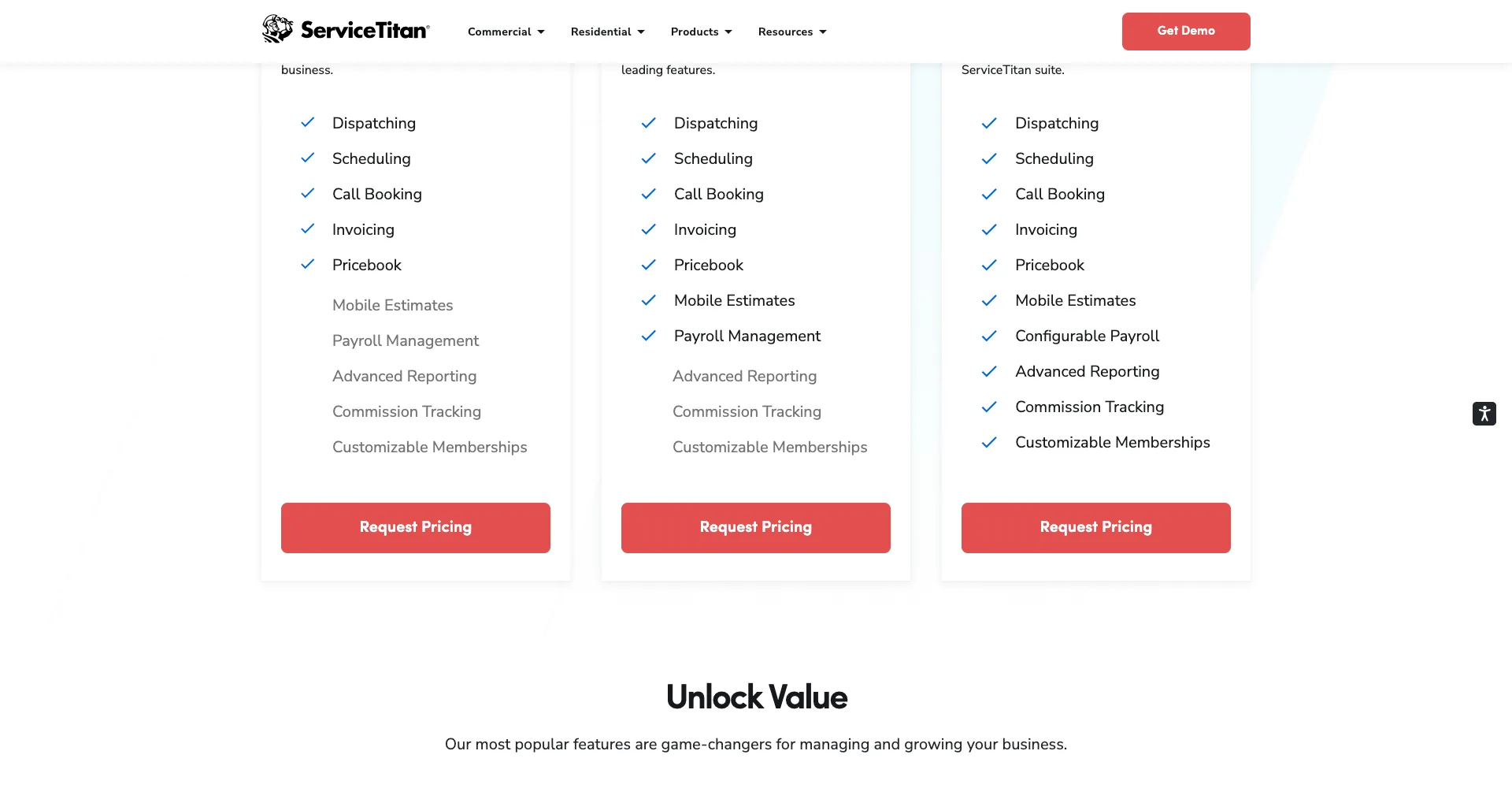 Jul 31, 2026
 Tech Stack
Best Electrical Contractor Software 2026: 11 Ranked and Priced
An electrical contracting business makes two software purchases that do not substitute for each other, and every roundup answering this query covers only one of them. Eleven platforms, with a published price or an explicit statement that the vendor publishes none.
Read Article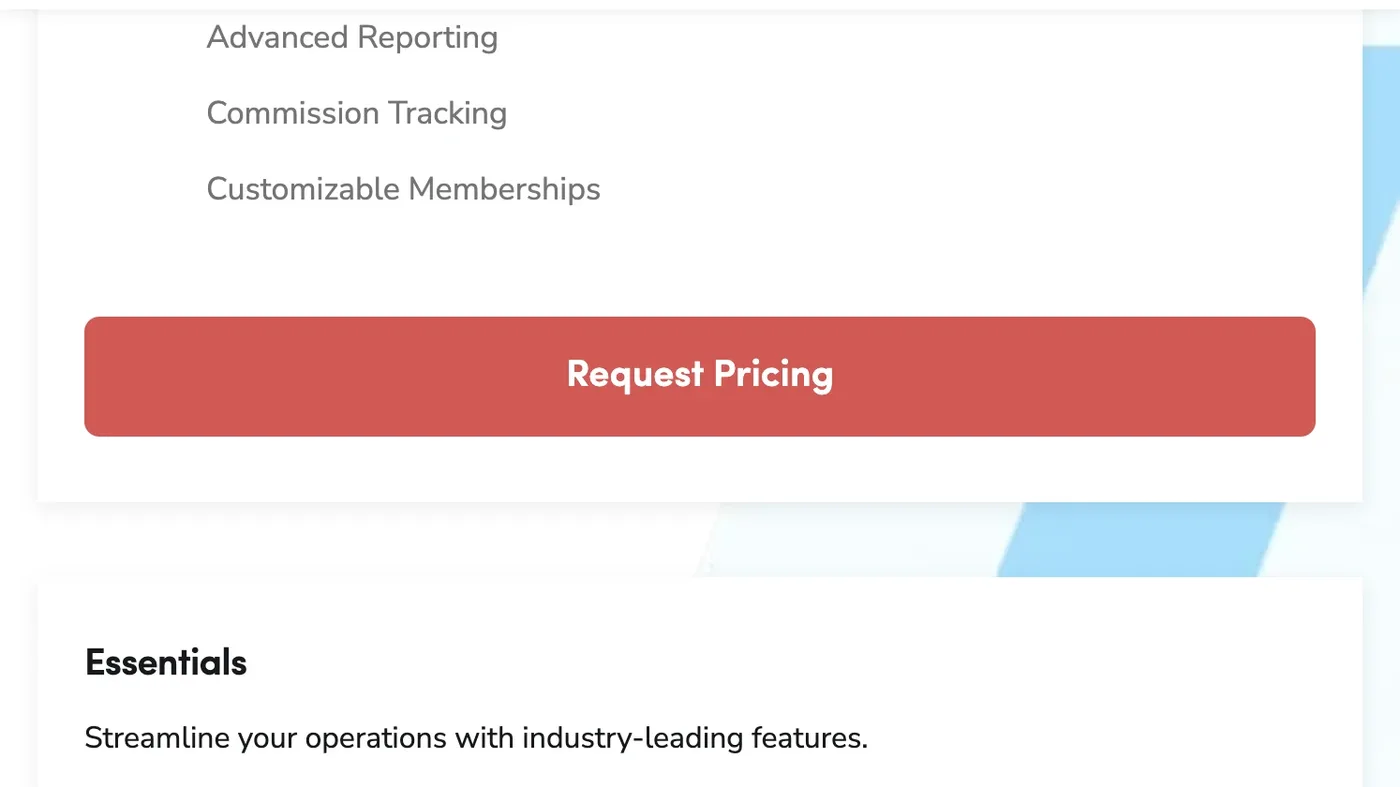 Jul 31, 2026
 Tech Stack
Best HVAC Software in 2026: Eleven Ranked Across Three Classes
An HVAC contracting business buys across three classes of software that do not substitute for each other, and every roundup answering this query covers only one of them. Eleven products, each with a published price or an explicit statement that the vendor publishes none.
Read Article Jul 30, 2026
 Tech Stack
AccuLynx Pricing 2026: The Real Cost of a Quote-Gated Plan
One published figure, two blank plan cards, and a contract that says things the pricing page does not. A line-by-line breakdown of what AccuLynx really bills.
Read Article Jul 30, 2026
 Tech Stack
Houzz Pro Canada Review 2026: Pricing and Alternatives
Houzz Pro serves different pricing renderings. What Canadian buyers see, how GST/HST and payments work, what Custom gates, and what the annual contract commits you to.
Read Article Jul 30, 2026
 Tech Stack
JobNimbus Pricing in 2026: What the Quote Does Not Cover
JobNimbus prints no figure on any of its four plans. So the only rate you can read before a sales call is the payments meter, and it is the biggest line on the bill.
Read Article Jul 30, 2026
 Tech Stack
JobNimbus Review 2026: Pricing, Pros, Cons and Alternatives
JobNimbus rates 4.6 on Capterra and orders material straight from ABC Supply and SRS. But it publishes no price, and its supplement route carries a note.
Read Article Jul 30, 2026
 Tech Stack
BuildOps Review 2026: Pricing, Contract Terms and Alternatives
BuildOps runs commercial service and projects on one platform, and publishes no pricing at all. The billing unit, the 30-day data-export window, and who it suits.
Read Article Jul 30, 2026
 Tech Stack
FieldPulse Review 2026: Pricing, Pros, Cons and Alternatives
FieldPulse rates 4.6 on Capterra and is the platform contractors name when they leave a bigger system. But it publishes no price, and the contract runs a year.
Read Article Jul 30, 2026
 Tech Stack
Service Fusion Review 2026: Pricing, Contract and Alternatives
Service Fusion bills flat per company with unlimited users, which is the best structural deal in field service software. The published plans, the contract behind the no-contract line, and the app score every other review gets wrong.
Read Article Jul 30, 2026
 Tech Stack
Knowify Review 2026: Pricing, Job Costing and Alternatives
Knowify rates 4.5 on Capterra and its weakest sub-score is features. What the $99 Core plan withholds, which way the QuickBooks sync really runs, and who should not buy it.
Read Article Jul 29, 2026
 Tech Stack
AccuLynx Review 2026: Pricing, Tier Gating, Alternatives
AccuLynx rates 4.6 across 846 reviews and now publishes an entry price. What that price omits, which tier holds the insurance workflow, and who should skip it.
Read Article Jul 29, 2026
 Tech Stack
Unitel Voice Review 2026: Pricing, Features and Alternatives
Unitel Voice rates 4.6 on Capterra and gives a one-truck shop a business number for $9.99 a month. The published plans, the cost per call, and what it won't do.
Read Article Jul 29, 2026
 Tech Stack
NiceJob vs Podium 2026: Pricing, Contracts and Review Gating
Both vendors print a price, at very different scale and in different currencies. The gap that matters is what Podium will not print: the billing unit, and whether a trade shop gets the number on the page.
Read Article Jul 28, 2026
 Tech Stack
CompanyCam Review 2026: Pricing, Pros, Cons and Alternatives
Every page ranking for CompanyCam still quotes a per-user price the vendor no longer charges. Here are the real plans, the seat math, and who should skip it.
Read Article Jul 28, 2026
 Tech Stack
NiceJob Review 2026: Pricing, Pros, Cons and Alternatives
NiceJob rates 4.9 on Capterra and refuses to gate negative reviews. Real plan pricing, the active-customer threshold nobody publishes, and who should skip it.
Read Article Jul 27, 2026
 Tech Stack
Buildertrend Review 2026: Pricing, Limits and Alternatives
Buildertrend rates 4.5 across 2,486 Capterra reviews and quotes against your revenue rather than your seat count. The workflows, the export problem, the alternatives.
Read Article Jul 27, 2026
 Tech Stack
CallRail Review 2026: Pricing, Pros, Cons and Alternatives
CallRail rates 4.5 on Capterra, and its tracking numbers port out free. But the two usage rates that decide your real bill are the two it does not print.
Read Article Jul 27, 2026
 Tech Stack
Roofr Review 2026: Pricing, Pros, Cons and Alternatives
Roofr rates 4.6 on Capterra and sells $13 measurement reports against a market charging triple. But it will not import a report from anywhere else.
Read Article Jul 25, 2026
 Tech Stack
Housecall Pro Review 2026: Pricing, Pros, Cons, Alternatives
Housecall Pro has the shortest learning curve in the category and the widest review spread. Real pricing, the Instapay math, and the migration trap to plan around.
Read Article Jul 24, 2026
 Tech Stack
Jobber Review 2026: Pricing, Pros, Cons and Alternatives
Jobber rates 4.6 on Capterra with the best mobile app in the category. Real plan pricing, the feature gating that changes your entry price, and who it suits.
Read Article Jun 3, 2026
 Tech Stack
HVAC Online Scheduling: The 43% Losing After-Hours Bookings
HVAC leads every trade on online booking at just 56.7%, which still leaves 43% of sites forcing an after-hours customer to wait for a business-hours phone call.
Read Article