NiceJob Review 2026: Pricing, Pros, Cons and Alternatives
NiceJob publishes real prices: 75 and 125 dollars a month, no contract. What 203 reviewers report, the review-gating rule, and 4 alternatives compared.
Disclosure This article features tools from our brand partners. If you choose to use them, we may receive compensation at no extra cost to you.
Our editorial choices are independent of these affiliate arrangements. Read our full affiliate disclosure.
Fervor is a CRO and web design studio, not a software reseller, and no vendor paid for placement here or for a kinder verdict. Affiliate links are flagged where they appear, and they never change what we report.
Page at a glance
NiceJob is review-generation software for local service businesses. It watches your job software, and when a job closes it texts and emails that customer asking for a review. Two plans are published: Reviews at 75 US dollars a month and Pro at 125, plus a managed website add-on called Sites at 99 a month and a 199 setup fee. There's no contract, no card up front and a 14-day trial. The price unit is the business rather than the seat, so a five-person crew pays the same 75 as a solo operator. But the figure climbs with your active customer count, and those thresholds aren't published. It fits a single-location residential shop closing 20 or more jobs a month with no review habit today. Request automation and syndication are the strong tasks, and reporting is the weak one. It isn't field service software, so it schedules nothing. Closest alternatives: GatherUp, Podium, Birdeye and Broadly.
The short verdict
Buy NiceJob if you run a single-location residential service business somewhere between a solo operator and about 25 employees, and your Google review count has sat still for a year because nobody in the building owns the asking. At 75 dollars a month it's the cheapest credible option in this category, and the request automation works the way the marketing says.
But skip it if your job software already sends a review request on completion. That's the single biggest waste in this category, and no comparison page will tell you, because the page earns nothing when you keep your money.
Pricing here came from NiceJob's own published page and was verified 26 July 2026.
| Pricing model | Flat rate per business per month, published |
|---|---|
| Entry price | 75 US dollars monthly, Reviews plan |
| Real entry price | 125 for referrals, repeat campaigns and AI replies |
| Contract minimum | None. The pricing page states no contracts |
| Free trial | 14 days, no credit card up front |
| Best fit | Single location, residential, 20-plus jobs a month |
What works, and what to watch
Strong: published pricing with no contract and no card at signup, a completion trigger that fires from your job software without anyone pressing a button, a sequence that stops the moment a review lands, syndication to Google Business Profile, and a price unit that doesn't punish you for hiring.
Weak: reporting reviewers call basic, a bill that moves with your active customer count against thresholds NiceJob doesn't publish, no scheduling or dispatch of any kind, and a managed website whose code you can't take with you for 36 months. And you can't bend the review flow toward only the customers you like, which is a feature rather than a fault. The gating section explains why.
What NiceJob does
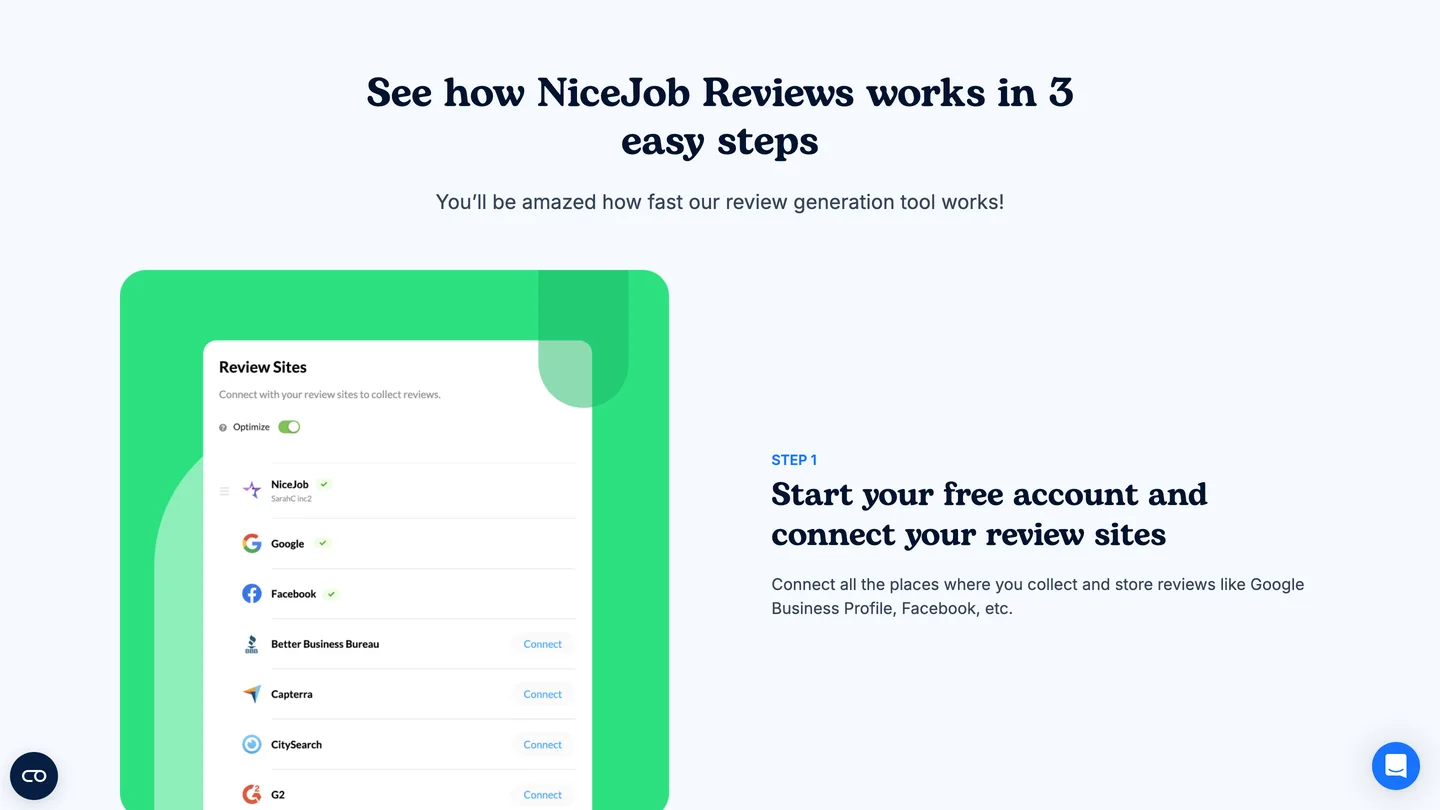
It sits downstream of your job software and turns finished jobs into review requests. A job closes, NiceJob enrols that customer, one text goes out immediately, and up to three emails follow over the next fortnight. What comes back gets monitored, displayed on your site through widgets, and pushed to social.
So you're buying a habit you don't have to keep. And that's smaller than the marketing suggests, but it's real, because the office manager who promised to ask every customer stopped in week three.
Who it's for, and who it isn't
The fit is a residential shop of one to roughly 25 employees, single location, doing at least 20 jobs a month, with a Google Business Profile carrying fewer reviews than whoever beats you in the map pack. Capterra records the starting price as 75 dollars flat rate per month rather than per user, so crew size barely moves the bill and job volume does.
Who should not buy NiceJob
Skip it if your field service platform already sends a review request when you mark a job complete. Housecall Pro, Jobber and ServiceTitan all ship some version of that. Jobber's own integration article puts it beyond argument, telling you to turn off your automatic job follow-ups to avoid duplicate requests. So check your existing software first. It takes ten minutes.
And skip it if you close fewer than about 15 jobs a month. At 75 dollars a shop sending 12 requests pays roughly six dollars an ask, and a call from the owner converts better than any text at that volume.
Or skip it if you wanted field service software. NiceJob doesn't schedule, dispatch, quote or invoice. It reads those events from a platform you already pay for, so buy that first. The trigger is the whole mechanism.
What it costs
The published plans
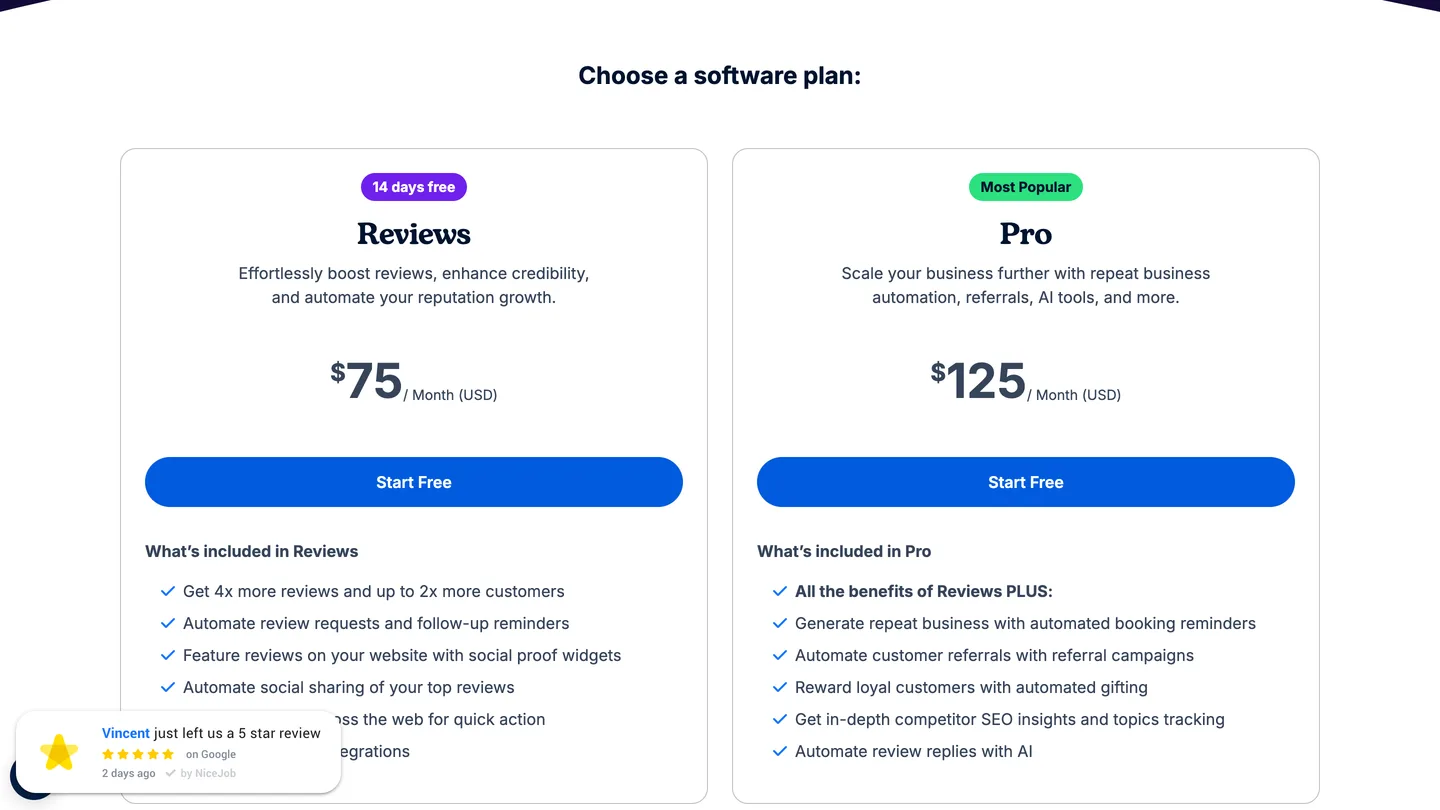
NiceJob publishes its prices, which sounds unremarkable until you notice two of the four alternatives below refuse to. Reviews is 75 US dollars a month and Pro is 125. Both carry a 14-day trial with no credit card, and the page states plainly that you aren't locked into a contract at any time.
"NiceJob Reviews is 75 US dollars a month and Pro is 125, both with a 14-day trial and no credit card."
NiceJob (2026)
But read the gap between the plans rather than skimming it. Reviews covers request automation, reminders, monitoring, social sharing and the widgets. Pro adds referral campaigns, booking reminders for repeat work, automated gifting, competitor SEO insights and AI-drafted replies. So if referrals already bring you work, your entry price is 125.
In symbol form, so it lines up against a competitor's page: Reviews is $75/month, Pro $125/month, and Sites $99/month plus a one-time $199 setup fee. Read those as per location rather than per user, and multiply by your branch count.
The costs that aren't on the plan card
Your active customer count. NiceJob's help centre states that your subscription price updates automatically once active customers cross certain thresholds, and defines an active customer as anyone you have contacted in the last 365 days. Sending an invoice counts, and so does inviting someone to review. But that article points you at the pricing page for the tiers, and the pricing page shows a flat 75 and 125 with no ladder on it. FieldPulse's integration doc names the first rung, telling you to go back to NiceJob's pricing page if you have more than 2,500 customers. And NiceJob tells you to ask support for your current count, which is a strange thing to have to ask about your own bill.
"NiceJob's pricing page shows a flat 75 and 125 with no ladder on it, and the FieldPulse integration document names the first rung."
FieldPulse (2026)
"NiceJob defines an active customer as anyone contacted in the last 365 days, and the subscription price updates automatically once active customers cross a threshold."
NiceJob (2026)
Each location is its own licence. If your branches have separate Google Business Profile pages, NiceJob's documentation says each needs a separate licence. So three branches with three profiles is 225 a month on Reviews, not 75. Multiply before you budget.
"NiceJob requires a separate licence per Google Business Profile, so three branches on Reviews is 225 a month rather than 75."
NiceJob (2026)
The website add-on. Sites is 99 dollars a month plus a 199 setup fee, covered on its own below.
And what is absent here is the stuff that eats contractors alive elsewhere in the stack. There's no payment processing rate, because NiceJob never touches a transaction. No implementation fee on the software plans, no minimum term, no auto-renewal to miss a notice window on, no early termination exposure. You stop paying and it stops.
How the review request fires
The whole purchase rests on this mechanism, so it's worth being exact about what fires it.
With Jobber, NiceJob's integration documentation says enrolment fires when you close a job, issue an invoice or collect a payment, and the job has to be closed within 30 days of its scheduled date to qualify. With Housecall Pro the trigger is marking a job Finished, and enrolment is immediate, though Housecall Pro's own article notes it only picks up future jobs and needs an email address on the record. But ServiceTitan has no native connector at all. It runs through Zapier, you supply a Tenant ID, Client ID and Client Secret, and the documentation notes that ServiceTitan passes no team member data, so reviews can't be attributed to the technician who did the work without extra setup. If a leaderboard is how you motivate the crew, that gap matters, and everything else routes through the same two Zapier triggers.
And the sequence itself is fixed. A customer gets one text immediately, then up to three emails over 14 days, exiting the moment they review. Messages never go out less than two days apart, and you can't change that. Some owners will hate losing the control. Given how many contractors have annoyed a customer with a same-day double text, the guardrail is probably doing them a favour.
"A NiceJob campaign sends one text immediately then up to three emails over 14 days, never less than two days apart, exiting the moment the customer reviews."
NiceJob (2026)
Gating, and the line you can't cross
Half this category sells you a survey that asks how the job went, then routes happy customers to Google and unhappy ones to a private feedback form. That's review gating, and Google's user-generated content policy prohibits it in plain words: merchants must not "discourage or prohibit negative reviews, or selectively solicit positive reviews from customers." So your Google Business Profile is the asset, and risking it to protect a rating is a bad trade at any price.
NiceJob doesn't gate. The campaign goes to whoever the trigger enrols, and the only lever you get is exclusion before the fact. Angela N., who does the accounting for a construction company and had used it one to two years, wrote up the workaround on Capterra in December 2024: her team tags customers "noreview" in their job software so NiceJob never auto-sends. She filed that under cons and called it "an US problem," which is more honest than most software reviews manage.
But be clear what this means. Excluding a warranty customer is legitimate. Surveying everyone and forwarding only the fives isn't, and no platform's compliance posture protects you from a flow you built yourself.
Where the reviews land, and whether it moves the map pack
Google is explicit that more reviews and positive ratings can help your local ranking, as one input to the prominence factor alongside links and mentions. So yes, volume moves the needle. But it isn't the only thing in the model, and anyone promising you the three-pack for 75 dollars a month is selling something else.
NiceJob connects natively to Google Business Profile and Facebook, plus a secondary list covering the Better Business Bureau, Capterra, G2, CitySearch, TripAdvisor and Zillow. But it monitors those sites rather than posting to them, and the request points customers wherever you've prioritised. James M., a construction president one to two years in, flagged the practical version in a July 2020 Capterra review: "Some reviews only get posted via NiceJob only and not on Google." A review on a vendor microsite does nothing for your prominence.
Where it falls short
Every page in this category files "limited customization" under cons and moves on. So here are the specific gaps, and you can check every one before the trial ends.
Reporting is thin. Radha S., a legal assistant six to twelve months in, wrote in an April 2026 Capterra review that "Reporting and analytics are also fairly basic, which may not be ideal for businesses looking for deeper insights into review performance or customer behavior." Daniel M., a construction president running it alongside Jobber, said the same about lead tracking in December 2022.
The cadence isn't yours. One text, three emails, two days apart minimum, no editing the schedule. Brooke W., a purchasing manager at a construction firm, listed "the amount of times it send the review request" as her only con in June 2025.
The pricing ladder isn't on the pricing page. NiceJob's help centre confirms the active customer thresholds exist, a partner's documentation names 2,500 as the first one, and the page you'd check before buying shows neither.
Multi-location multiplies. One licence per Google Business Profile, quoted at the single-location price.
It runs nothing operational. No scheduling, no dispatch, no quoting, no invoicing, no payments. And if the platform feeding it goes down, the trigger goes with it.
Some connectors are messy. Felecia D., an owner at a two-to-ten person accounting firm, reported in November 2022 that on QuickBooks Online "you are not able to delete what you don't want, and the company cannot delete this for you either."
The Sites add-on, and who owns the website
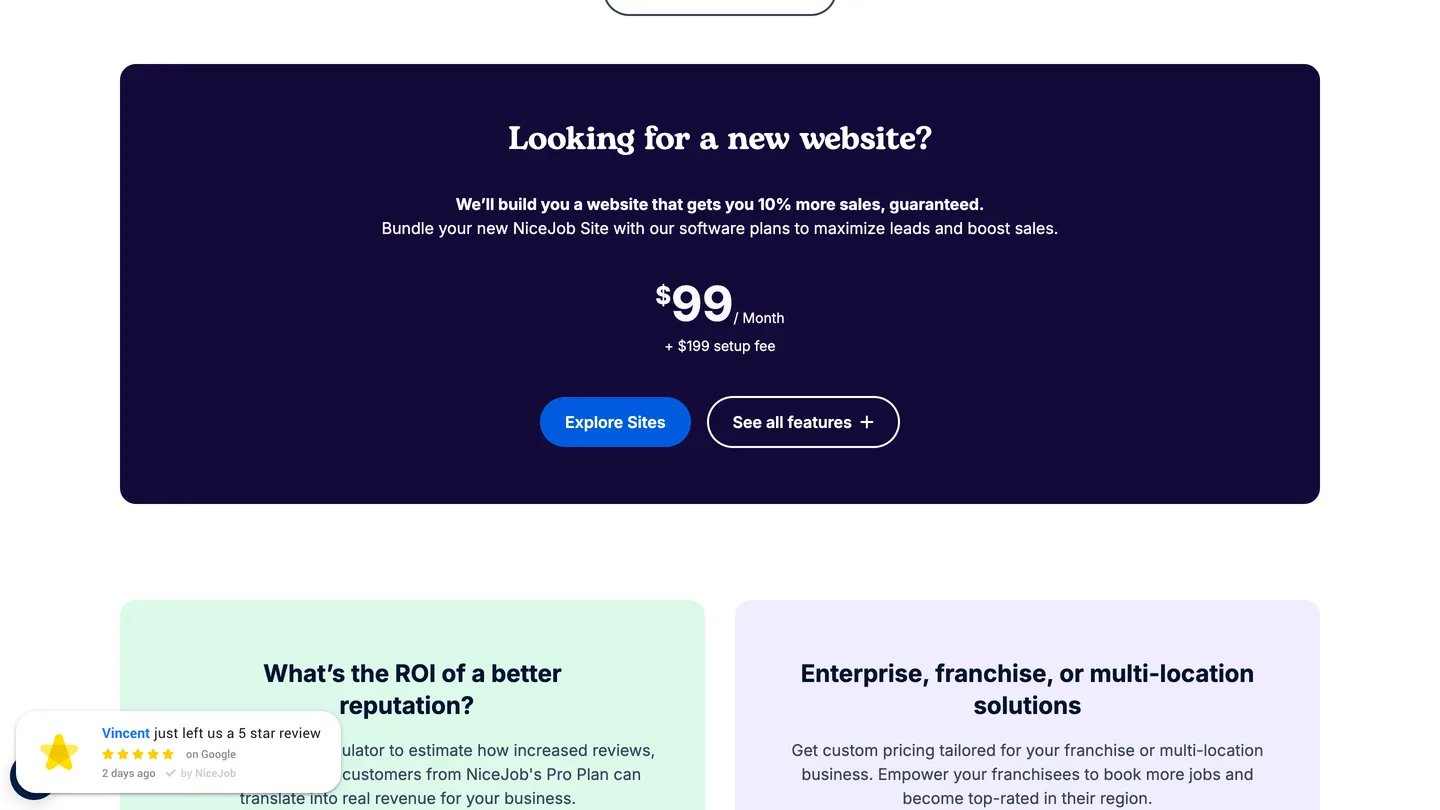
Sites is NiceJob's managed website product at 99 dollars a month plus a 199 setup fee, built to sit underneath the review widgets. The product page leads with a conversion claim: "We'll build you a website that gets you 10% more sales, guaranteed."
"NiceJob Sites is a managed website product at 99 dollars a month plus a 199 setup fee."
NiceJob (2026)
But read the ownership terms first, because this is where the category historically hurts contractors. NiceJob's help centre says you get an HTML and CSS export of your website code once the site has been live 36 months, and that if you cancel the Sites subscription "you are responsible for copying desired content before canceling the site, as NiceJob removes all content from the internet upon cancellation." The stock images stay behind under NiceJob's licence unless you buy your own.
"NiceJob provides an HTML and CSS export of a Sites website only once the site has been live 36 months, and removes all content from the internet on cancellation."
NiceJob (2026)
So the content and photos you supplied are yours from day one. The built thing isn't, for three years. And if an agency has ever held your site hostage, you know why that clause is the one to read twice.
How the answer changes by trade
Review software is horizontal, but the value of a review isn't. What changes is how many jobs a month you close to feed the machine. A landscape contractor on recurring maintenance visits looks like huge volume until the re-invite guard applies, because the same names keep coming back around. A roofer closes far fewer jobs and nearly every one is a new household. Same software, opposite constraint.
An HVAC contractor is the strongest fit. Volume is high and a maintenance base means the same customer triggers several events a year without becoming several requests, since NiceJob won't re-invite anyone inside six months. Our HVAC marketing hub covers where those reviews do the most work.
But a plumbing contractor splits by work mix. Scheduled service feeds the trigger nicely. Pure emergency work is harder, because a homeowner whose basement flooded at 2am isn't in a reviewing mood on day one, and the campaign has already spent its text. Our plumbing marketing hub goes deeper there.
And a roofing contractor gets fewer jobs and bigger ones, so each review is worth more and there are fewer chances to earn one. At 30 roofs a year, 75 dollars buys maybe two dozen requests. At 300 it's one of the cheapest lines in your budget. Our roofing marketing hub has the volume context.
Contracts, cancellation and getting your data out
So this is where NiceJob is structurally better than the top of its own category. There's no minimum term, no annual commitment, no auto-renewal and no early termination charge. The pricing FAQ says it directly: "you are not locked into a contract at any time during your NiceJob subscription plan." Podium does print a number, at 459 Canadian dollars a month for Core, but every tier of it carries the line "HVAC businesses should contact sales for applicable pricing," so a trade contractor is routed to the same sales call anyway. Birdeye publishes nothing at all. Podium's BBB profile records a failure to respond to a complaint filed against it and no BBB accreditation. Nothing in the NiceJob review corpus we read describes billing continuing after a cancellation, which is the complaint that defines the top of this category.
"Podium publishes 459 Canadian dollars a month for Core, and every tier of it carries a contract."
Better Business Bureau (2026)
And getting out has one sharp edge, which is the Sites one above. Your reviews are unaffected, because they were never NiceJob's to hold. A Google review belongs to the reviewer and lives on your Business Profile, so it stays put when you cancel. What leaves is the collection engine, the widgets, the microsite and, if you took Sites, the website. Export the content first.
What the reviewers report
Now the crowd's verdict, kept separate from ours on purpose. NiceJob scores 4.9 out of 5 across 203 Capterra reviews, with ease of use at 4.9, customer service at 4.9 and value for money at 4.8, last updated 16 February 2026. But that comes off a far smaller sample than Jobber's 1,465, so weigh it accordingly. GetApp and Software Advice draw on the same Gartner pool and show the same 4.9 across 203, so treat all three as one sample rather than corroboration. The reviewer base spans self-employed through 201-500 employees, wider than the band this article recommends it to. G2, Trustpilot and TrustRadius block automated access, so those are reported rather than read.
"NiceJob scores 4.9 out of 5 across 203 reviews, with ease of use 4.9, customer service 4.9 and value for money 4.8, against a far smaller sample than Jobber's 1,465."
Capterra (2026)
Consistent praise: the set-and-forget automation, the integration with existing job software, the price against alternatives, and support people who answer. Terry K., a consumer services owner two years in, reported in August 2021 that reviews "have jumped from 18 to over 400." And Austin A., an owner under six months in, wrote in May 2023 that "$75 is a GREAT deal for what it provides."
Consistent complaints: shallow reporting, limited control over wording and timing, and a price that reads high under 20 jobs a month. But note what is absent. No contract traps, no exit fees, no implementation horror stories, which is exactly what dominates the corpus for the enterprise platforms here.
How it compares
| NiceJob | GatherUp | Broadly | Podium | Birdeye | |
|---|---|---|---|---|---|
| Starting price | Published. 75 US dollars monthly | Published. 99 monthly, 1 location | Published. 799 monthly | $459 | Quote only |
| Price unit | Flat rate per business | Per location, 60 each on multi | Per business | Not published | Per location, configurator |
| Contract minimum | None, stated on pricing page | Not stated, 20% annual discount | None, cancel anytime, stated | Not published | Not published |
| Free trial | 14 days, no card | Not stated | Not stated | Not published | Not published |
| Website add-on | Sites, 99 monthly plus 199 setup | No | Included in package | Not published | Not published |
| Best for | Single-location residential shops | Multi-location and agencies | Shops wanting AI call handling too | Messaging-led sales teams | Multi-location enterprises |
So the shortlist sorts on two questions. One location and you want the cheapest honest path to more Google reviews, NiceJob. Several branches and GatherUp's 60 dollars per location beats full freight per licence. Broadly at 799 is a different purchase, bundling answering and messaging. And if a vendor won't show you a number before a sales call, that's information too.
The verdict, by crew size
Solo operator to 5 crew members
Yes, provided you close 15 or more jobs a month and your existing software doesn't already ask. At 75 dollars with a 14-day trial and no card, this is about as low-risk as software buying gets. And it's the size where the owner is the one who keeps forgetting.
5 to 25 crew members
Yes, and this is the sweet spot. The flat rate means going from six technicians to fourteen costs you nothing extra on this line, which is unusual in a contractor's stack. So take Pro at 125 if referrals are a real channel rather than a thing you say you want.
Multi-location, or 25-plus
Probably not, or at least not before you do the multiplication. Three profiles means three licences, and at that point GatherUp's per-location pricing deserves a look. The reporting ceiling also arrives sooner when a regional manager asks which branch is falling behind.
The number nobody checks
Fervor is a CRO and web design studio, not a NiceJob competitor. But there's a gap between winning reviews and getting paid for them, and that gap is the one we have data on.
In May 2026 we inspected 380 home services contractor websites for the State of HVAC report and the wider index. Only 65.5% of those sites surfaced a single Google review anywhere on the page. So that's 249 sites showing social proof and 131 showing none. Split by trade it runs 76.9% for HVAC and 52.1% for remodeling, which means the trade with the highest ticket hides its reviews hardest.
"Only 65.5% of 380 home services contractor websites surface a single Google review anywhere on the page, leaving 131 showing no social proof at all."
Fervor Studio Contractor CRO Index (2026)
So picture the sequence you're paying for. NiceJob wins you 200 five-star reviews, a homeowner finds you, clicks through, and lands on a page that says nothing about the 200 reviews. NiceJob ships widgets for exactly this at no extra cost. But they earn nothing switched off. The full statistics are public, and the Contractor CRO Index carries the per-brand teardowns.
See whether your website does anything with the reviews you already have
Fervor inspects your site the way a homeowner uses it, then shows you the specific places trust signals go missing. It takes about three days and the first several each week are free.
Get a Site InspectionWhat we tested, and what we didn't
So we didn't run NiceJob on a live shop. A 14-day trial with no card made a hands-on test possible in a way ServiceTitan's doesn't, and we're telling you plainly that we read rather than ran it. What this page is instead: the published pricing page, the vendor product pages, the help centre read in full because that's where the active customer thresholds, campaign timing, integration triggers and website ownership terms live, the Capterra corpus read by category rather than star rating, and Google's own policy pages. Figures verified 26 July 2026.
Competitor prices come from GatherUp, Broadly, Podium and Birdeye, and the last two publish none. Ratings come from the Capterra product profile, which shares one Gartner Digital Markets review pool with GetApp and Software Advice, so an identical score across all three is one sample rather than three.
If you want to evaluate NiceJob directly, its product site carries the published pricing and the trial signup.
What NiceJob users say
This issue was an US problem - but not wanting NiceJob to reach out to customers we really knew were not happy, or warranty customers or for whatever reason.
Reporting and analytics are also fairly basic, which may not be ideal for businesses looking for deeper insights into review performance or customer behavior.
Some reviews only get posted via NiceJob only and not on Google.
The amount of times it send the review request. I did finally figure out what the issue was but I wish I would have known that was going to happen sooner.
Since joining Nicejob our reivews have jumped from 18 to over 400.
I feel like $75 is a GREAT deal for what it provides. But as a small company all monthly expenses provide a challenge.
When connecting to QBO you are not able to delete what you don't want, and the company cannot delete this for you either.
We use it in sync with jobber the process is all automated
However, customer service team needs to be worked on.
Getting the reviews at low occurrence, it may get improved.
Would like to see a feature that adds a review given for one platform to all platforms available.
Frequently asked questions
How much does NiceJob cost?
NiceJob publishes two plans in US dollars: Reviews at 75 a month and Pro at 125, plus a managed website add-on called Sites at 99 a month with a 199 setup fee. The unit is flat rate per business rather than per user, so crew size does not change the bill. Two things do. Your active customer count moves the price automatically once it crosses thresholds NiceJob does not publish, and FieldPulse's integration documentation names 2,500 customers as the first rung. And each location with its own Google Business Profile needs its own licence, so three branches cost three times the quoted figure.
Does NiceJob have a contract or a free trial?
There is no contract. NiceJob's pricing page states you are not locked into a contract at any time, and the trial runs 14 days with no credit card up front. There is also no implementation fee on the software plans, no minimum term, no auto-renewal notice window to miss and no early termination charge. The Sites add-on carries a 199 setup fee, which is the only up-front cost anywhere on the page.
Does NiceJob filter out negative reviews?
No. NiceJob sends the campaign to whoever the completion trigger enrols, and the only control you get is excluding a customer before the request goes out by tagging them noreview in your job software. Gating, meaning routing unhappy customers to a private form and happy ones to Google, breaches Google's user-generated content policy, which tells merchants not to discourage or prohibit negative reviews or selectively solicit positive ones. A platform that offers gating as a feature is offering you a policy violation.
Does NiceJob work with Jobber, Housecall Pro and ServiceTitan?
Yes, though the mechanics differ. With Jobber the invite fires when you close a job, issue an invoice or collect a payment, provided the job closed within 30 days of its scheduled date. With Housecall Pro it fires when you mark a job Finished, and only for future jobs rather than your back catalogue. ServiceTitan has no native connector and runs through Zapier instead, and because ServiceTitan passes no team member data, reviews cannot be attributed to the technician who did the work without extra setup.
Will NiceJob improve my Google Maps ranking?
Google states that more reviews and positive ratings can help your local ranking, as one input to the prominence factor alongside links and mentions. So volume helps, but it is one signal among several and no platform can promise you the three-pack. Watch where the reviews land, too. One construction company president reported on Capterra that some of his reviews posted only inside NiceJob and never reached Google, and a review that never reaches your Business Profile does nothing for prominence.
Do I own the website if I buy NiceJob Sites?
Partly, and the timeline matters. NiceJob's help centre says you get an HTML and CSS export of your site code once it has been live for 36 months. Before that, the content and images you supplied are yours but the built site is not. If you cancel the Sites subscription, NiceJob removes all content from the internet and you are responsible for copying what you want first. Stock images NiceJob supplied stay under its licence unless you buy your own.
What are the best NiceJob alternatives?
GatherUp publishes 99 US dollars a month for a single location and 60 per location on multi-location plans, which makes it the better buy once you run several branches. Broadly publishes 799 a month for its bundled package with no long-term contract. Podium publishes 459 Canadian dollars a month for Core and 689 for Pro, read in a browser on 27 July 2026, but every tier carries the line that HVAC businesses should contact sales for applicable pricing, and it never says whether that figure buys one location or the whole business. Birdeye publishes no price at all and puts a form in front of the number. On contract terms, NiceJob and GatherUp are the two you can evaluate without talking to anyone.
Who should not buy NiceJob?
Skip it if your field service platform already sends a review request on job completion, because paying twice to send the same text is the most common waste in this category. Jobber's own integration article tells you to switch off its automatic follow-ups before connecting NiceJob, which tells you how much overlap there is. Skip it if you close fewer than about 15 jobs a month, since the per-request cost stops making sense. And skip it if you wanted scheduling, dispatch or invoicing, because NiceJob does none of those.
Freshness
How we keep this page current
Three dates govern this review, and they carry different meanings. The initial source sweep is dated July 26, 2026; when only part of the evidence set is recaptured later, that later date is stated beside the refreshed claim. We last revised the page on July 28, 2026. And the user reviews we quote were posted over roughly the last 24 months, so their individual dates remain part of the evidence instead of being overwritten by a later pricing update.
We revise the page when NiceJob changes a published price or a contract term, when a rating we cite moves by more than a few tenths, or when the vendor ships something big enough to change the verdict. We never bump the date just to look fresh, because Google treats that as manipulation and so do we. If a figure here reads as stale by the time you land on it, treat it as a floor and check the vendor's own page. We linked it at every number for exactly that reason.
Sourcing
How this review was researched
Every figure on this page traces to a captured source linked inline where it appears. The initial sweep is dated July 26, 2026; any later, partial recapture is dated at the claim rather than relabelling the whole evidence set. Ratings come from Capterra, GetApp, Software Advice and the Apple App Store. Note that Capterra, GetApp and Software Advice share one Gartner Digital Markets review pool, so an identical score across all three is a single sample rather than three corroborating ones, and this page treats it that way. G2, TrustRadius and Trustpilot block automated access, so where their numbers appear they are labelled as reported rather than verified. No claim here is sourced from Reddit or from a contractor Facebook group, because neither could be retrieved and quoting them would mean inventing attribution. Pricing marked as reported comes from third-party roundups, never from Fervor. Fervor's own findings come from the Contractor CRO Index 2026.
About
About Fervor Studio
Fervor Studio is a conversion rate optimization (CRO) and web design studio for home services contractors across North America, based in Cochrane, Alberta. Fervor does not sell field service management software and is not an alternative to NiceJob. It publishes the Contractor CRO Index, a public benchmark measuring contractor website conversion potential using reproducible, open-source methods such as axe-core and Google Lighthouse. Fervor Studio is operated by Fervor Group Inc.
Fervor's full cross-trade dataset lives in the CRO Index statistics.
 Aug 2, 2026
 Tech Stack
Best Plumbing Software in 2026: Ten Ranked Across Four Classes
A plumbing company’s work runs through four classes of software that do not substitute for each other, and it only buys two of them. Ten products, each with a published price or an explicit statement that the vendor publishes none.
Read Article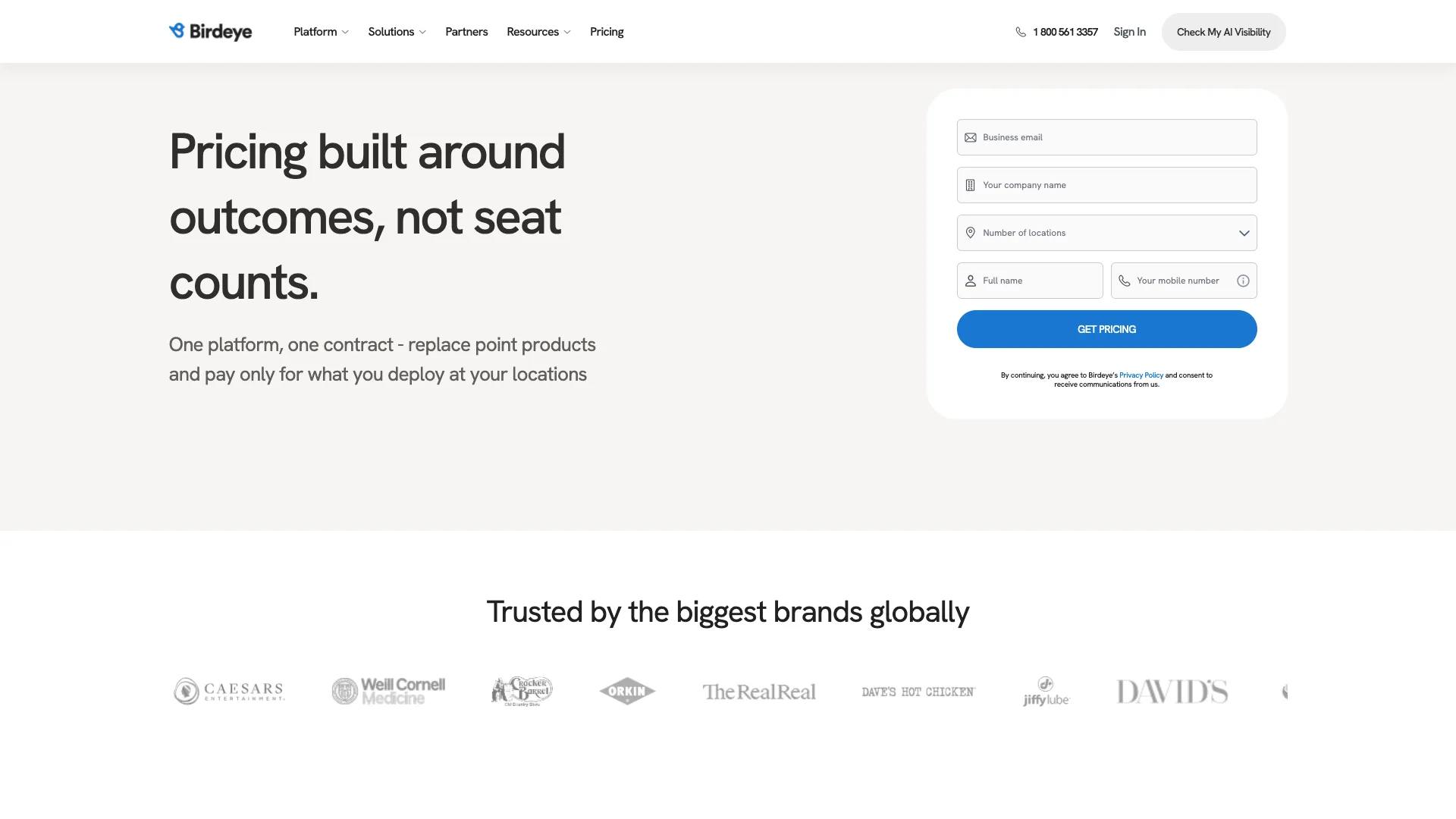 Jul 31, 2026
 Tech Stack
NiceJob vs Birdeye 2026: Pricing, Contracts and Review Gating
One of these vendors puts its price on the page and its cancellation terms in writing. The other puts a form in front of both, and the complaint record is where its contract length shows up.
Read Article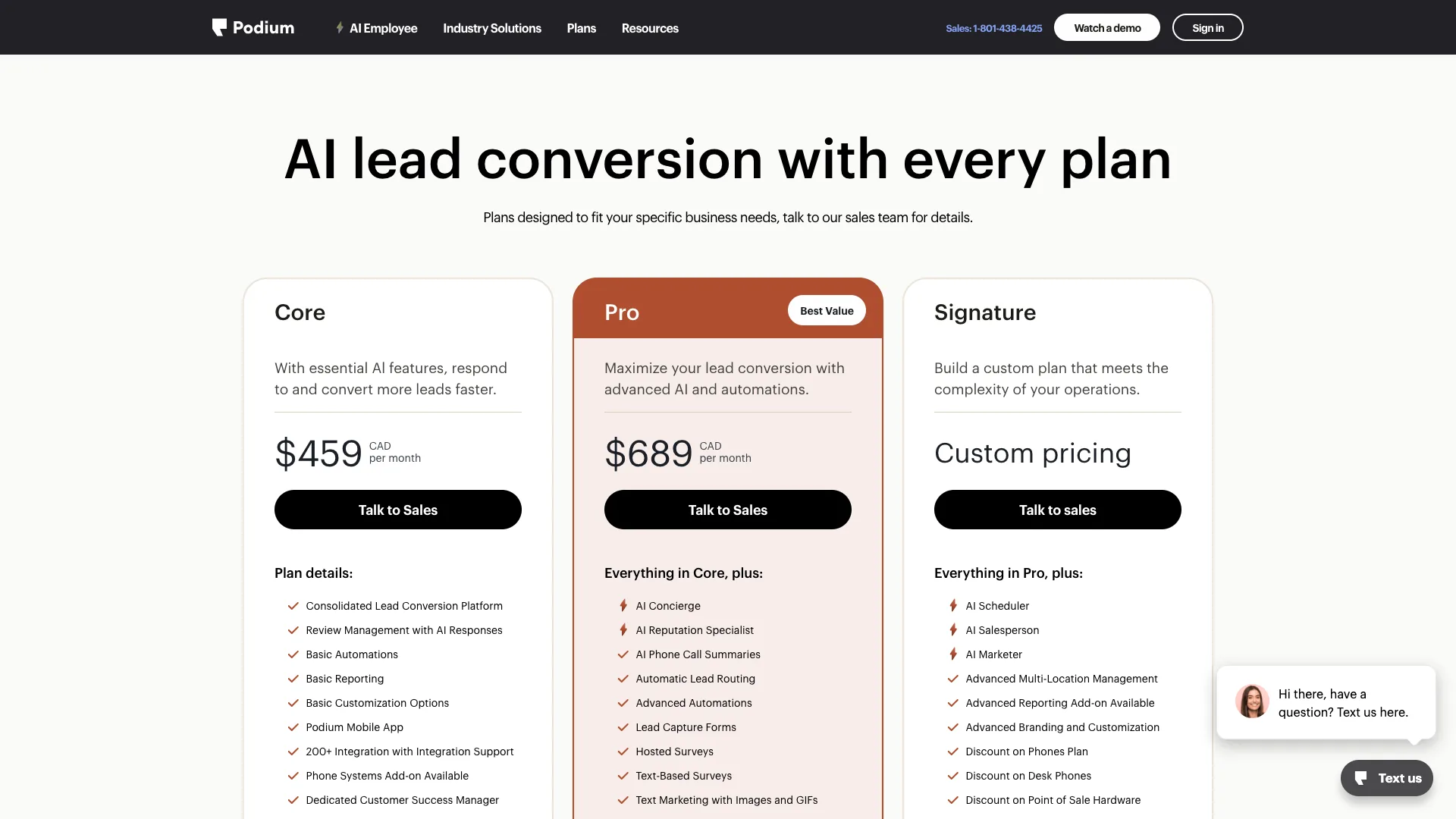 Jul 31, 2026
 Tech Stack
Podium vs Birdeye 2026: Pricing, Contracts and Review Gating
Only one of these two will tell you what it costs before a sales call, and even that number carries a carve-out aimed squarely at trade contractors.
Read Article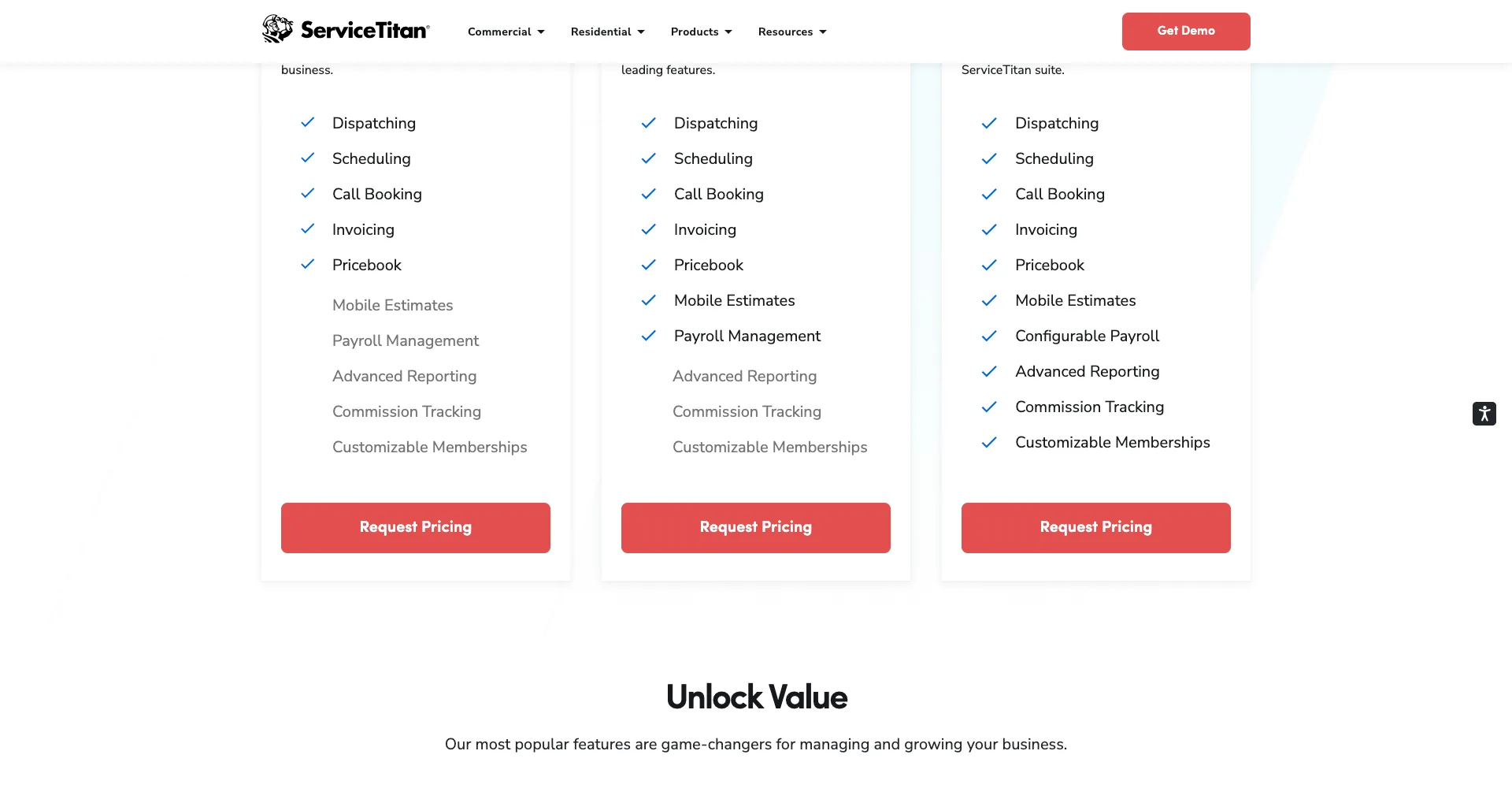 Jul 31, 2026
 Tech Stack
Best Electrical Contractor Software 2026: 11 Ranked and Priced
An electrical contracting business makes two software purchases that do not substitute for each other, and every roundup answering this query covers only one of them. Eleven platforms, with a published price or an explicit statement that the vendor publishes none.
Read Article Jul 31, 2026
 Tech Stack
Best HVAC Software in 2026: Eleven Ranked Across Three Classes
An HVAC contracting business buys across three classes of software that do not substitute for each other, and every roundup answering this query covers only one of them. Eleven products, each with a published price or an explicit statement that the vendor publishes none.
Read Article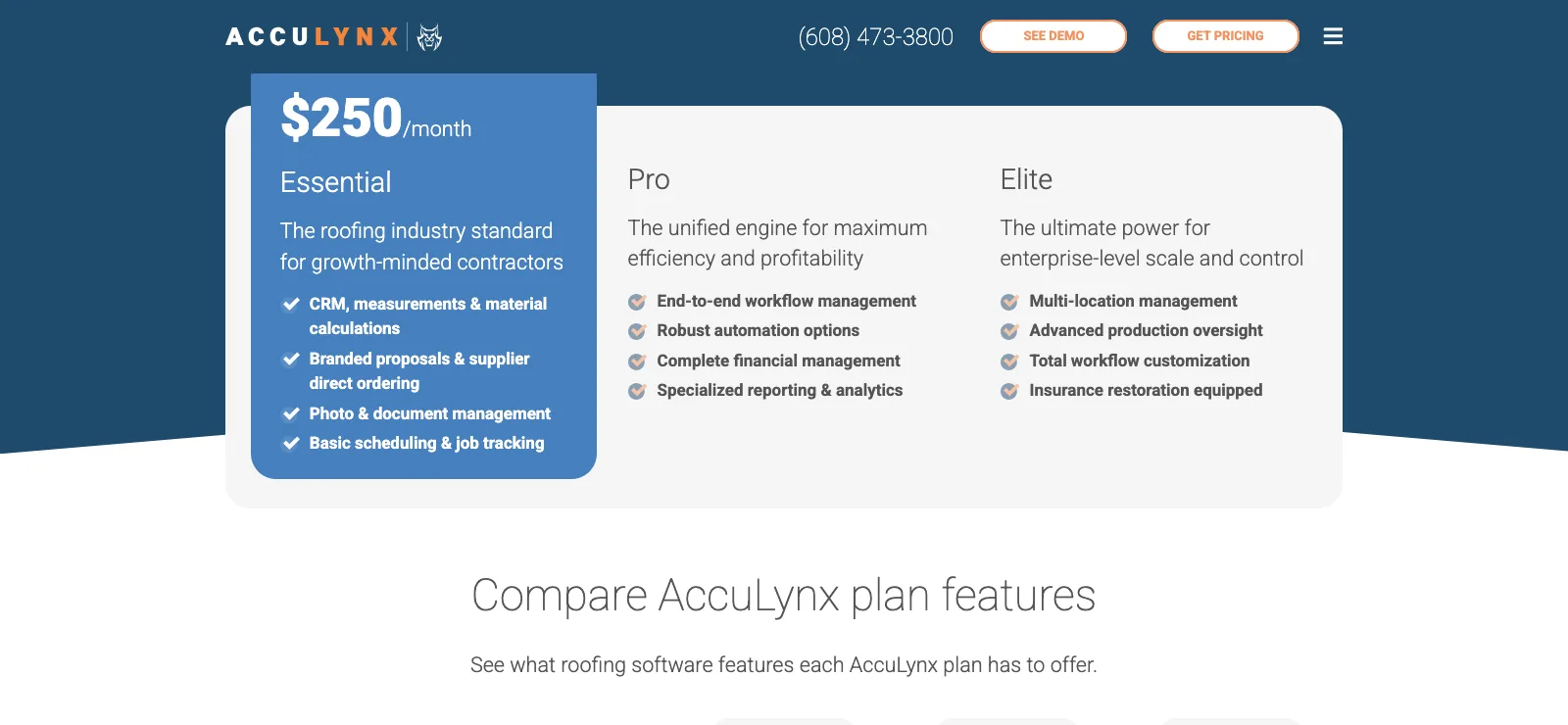 Jul 30, 2026
 Tech Stack
AccuLynx Pricing 2026: The Real Cost of a Quote-Gated Plan
One published figure, two blank plan cards, and a contract that says things the pricing page does not. A line-by-line breakdown of what AccuLynx really bills.
Read Article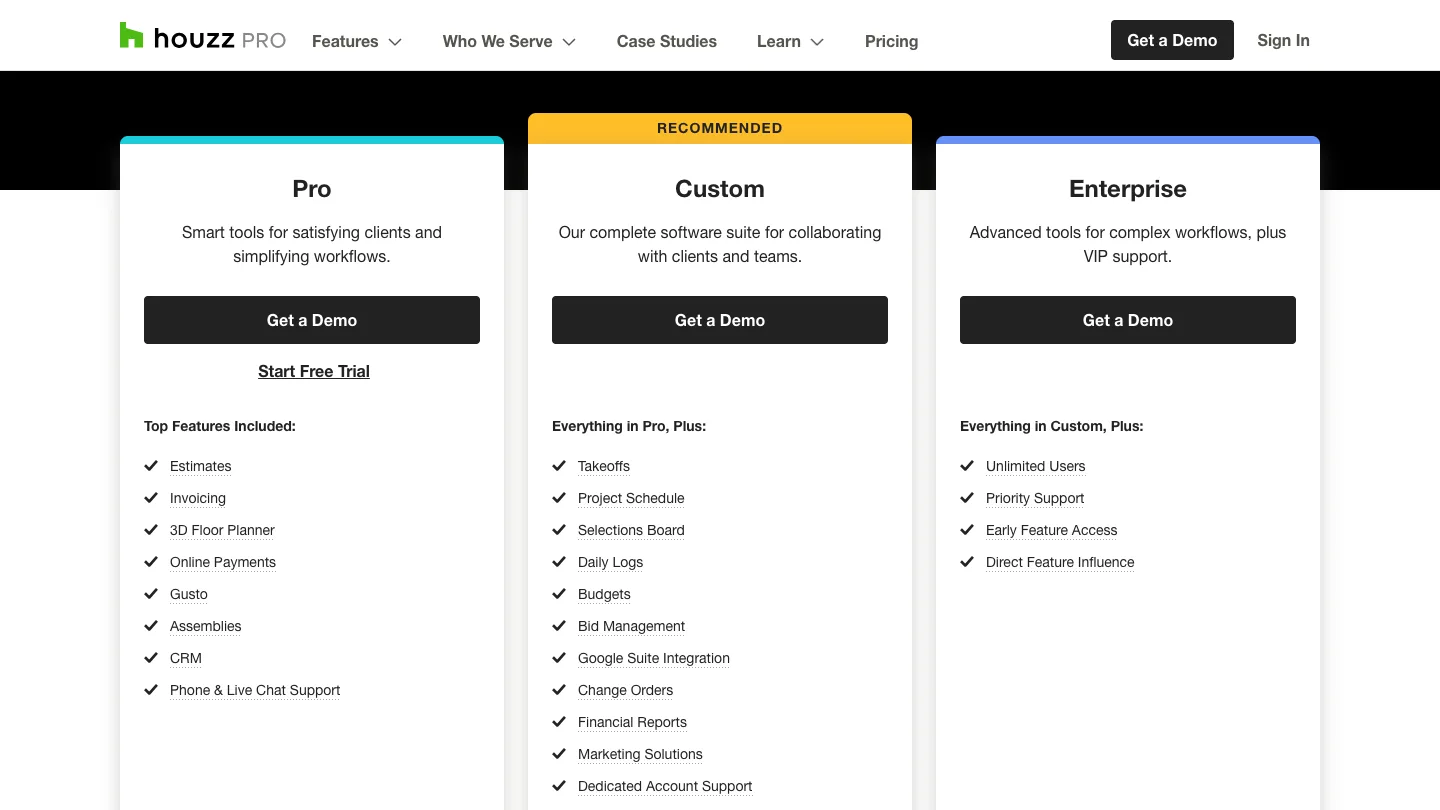 Jul 30, 2026
 Tech Stack
Houzz Pro Canada Review 2026: Pricing and Alternatives
Houzz Pro serves different pricing renderings. What Canadian buyers see, how GST/HST and payments work, what Custom gates, and what the annual contract commits you to.
Read Article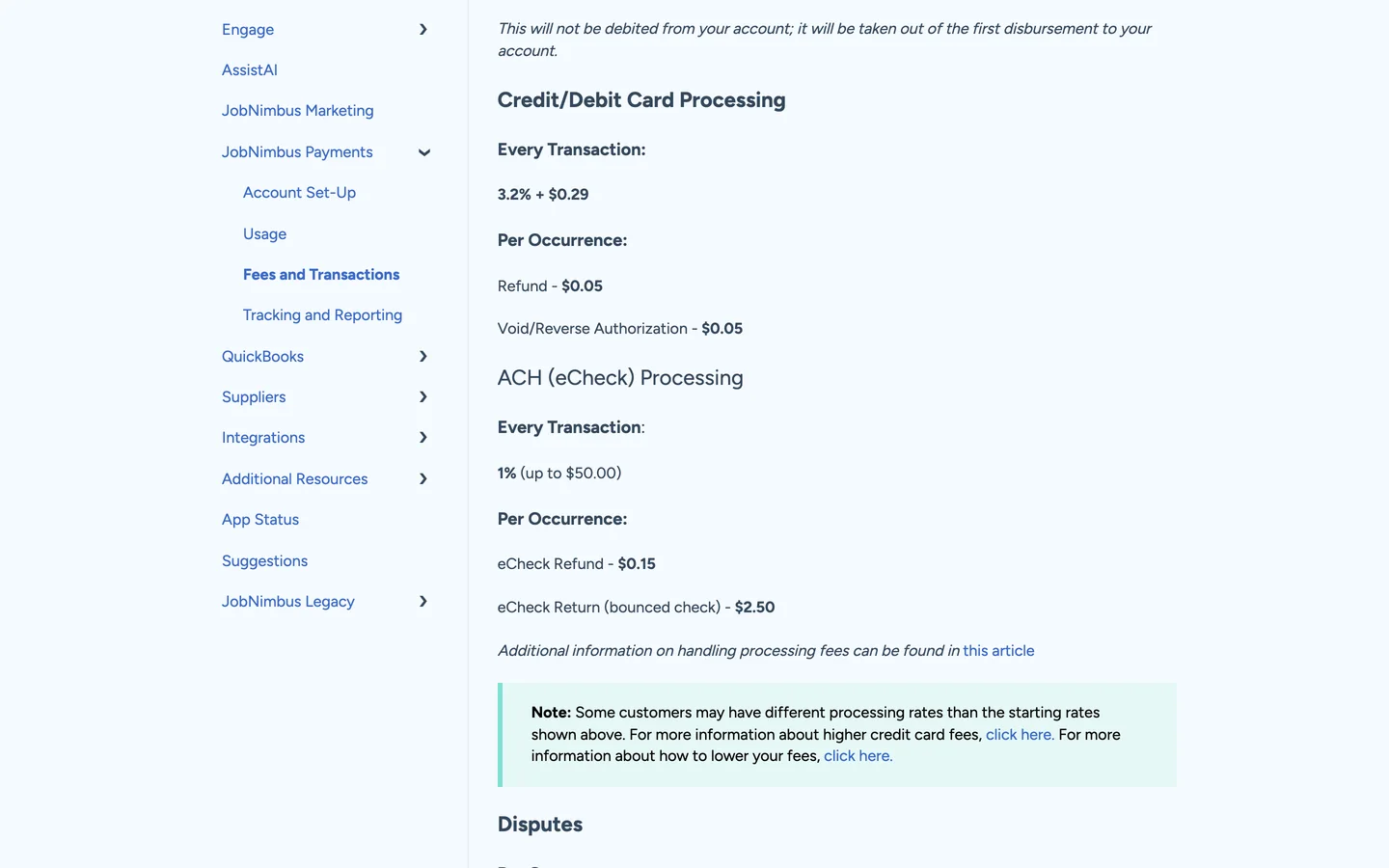 Jul 30, 2026
 Tech Stack
JobNimbus Pricing in 2026: What the Quote Does Not Cover
JobNimbus prints no figure on any of its four plans. So the only rate you can read before a sales call is the payments meter, and it is the biggest line on the bill.
Read Article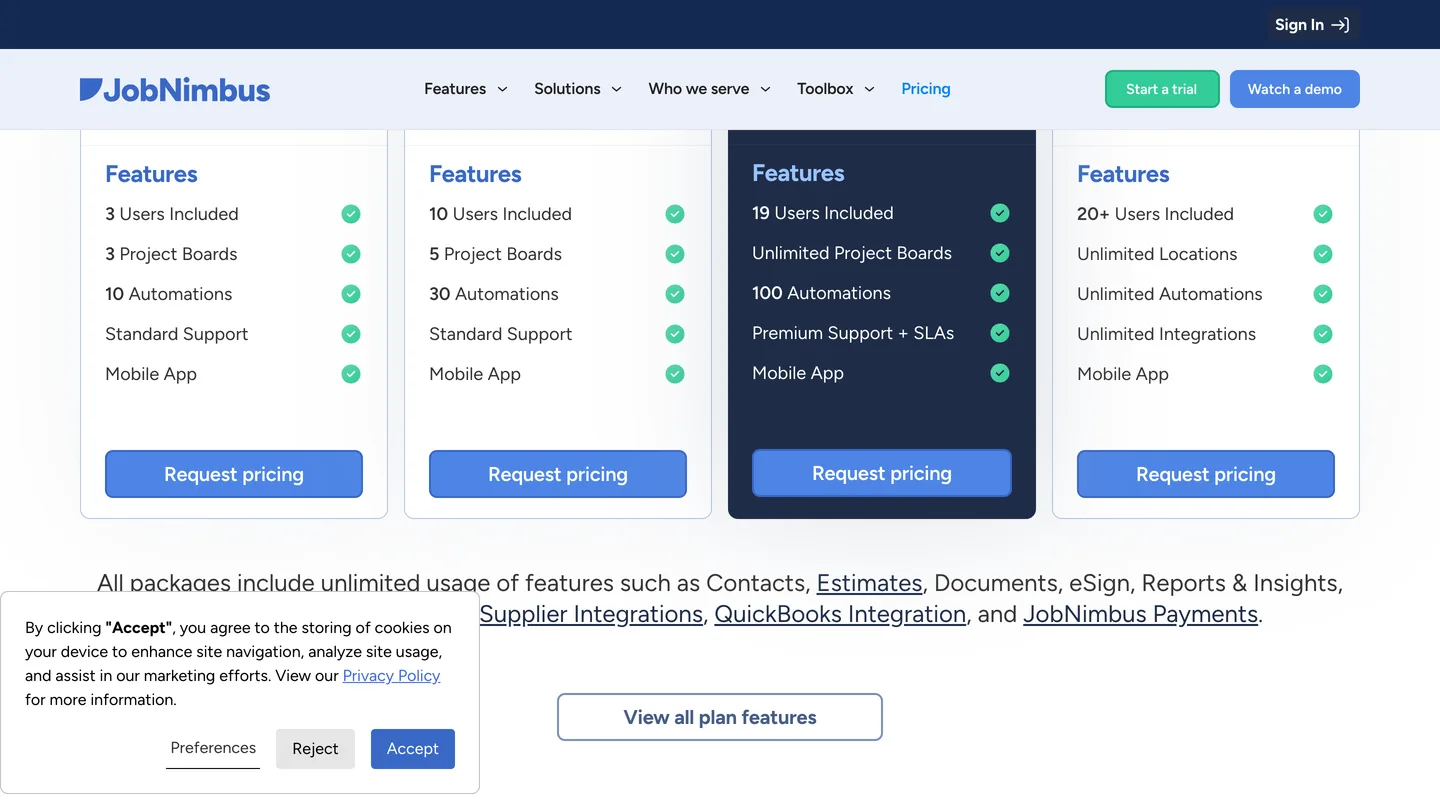 Jul 30, 2026
 Tech Stack
JobNimbus Review 2026: Pricing, Pros, Cons and Alternatives
JobNimbus rates 4.6 on Capterra and orders material straight from ABC Supply and SRS. But it publishes no price, and its supplement route carries a note.
Read Article Jul 30, 2026
 Tech Stack
BuildOps Review 2026: Pricing, Contract Terms and Alternatives
BuildOps runs commercial service and projects on one platform, and publishes no pricing at all. The billing unit, the 30-day data-export window, and who it suits.
Read Article Jul 30, 2026
 Tech Stack
FieldPulse Review 2026: Pricing, Pros, Cons and Alternatives
FieldPulse rates 4.6 on Capterra and is the platform contractors name when they leave a bigger system. But it publishes no price, and the contract runs a year.
Read Article Jul 30, 2026
 Tech Stack
Service Fusion Review 2026: Pricing, Contract and Alternatives
Service Fusion bills flat per company with unlimited users, which is the best structural deal in field service software. The published plans, the contract behind the no-contract line, and the app score every other review gets wrong.
Read Article Jul 30, 2026
 Tech Stack
Knowify Review 2026: Pricing, Job Costing and Alternatives
Knowify rates 4.5 on Capterra and its weakest sub-score is features. What the $99 Core plan withholds, which way the QuickBooks sync really runs, and who should not buy it.
Read Article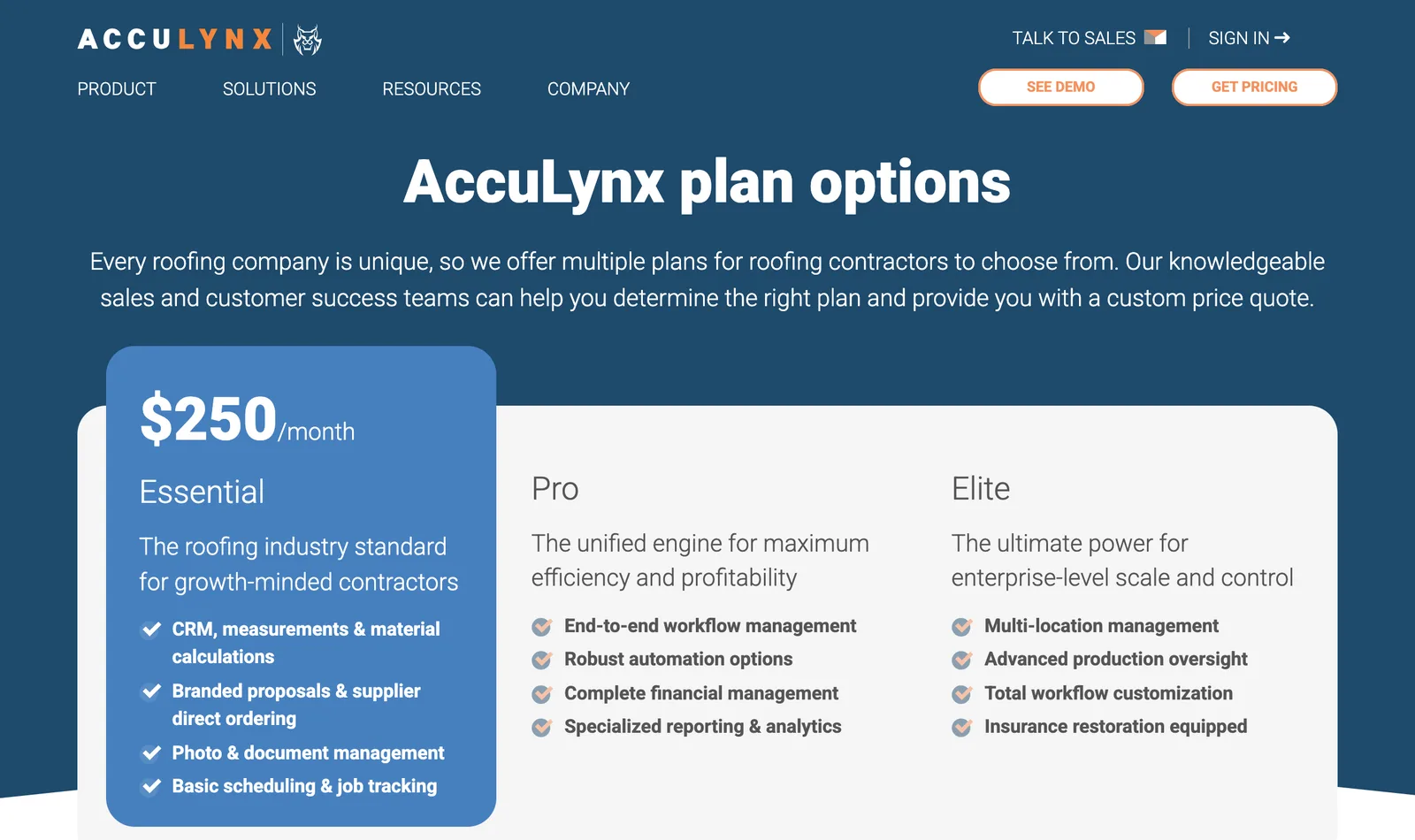 Jul 29, 2026
 Tech Stack
AccuLynx Review 2026: Pricing, Tier Gating, Alternatives
AccuLynx rates 4.6 across 846 reviews and now publishes an entry price. What that price omits, which tier holds the insurance workflow, and who should skip it.
Read Article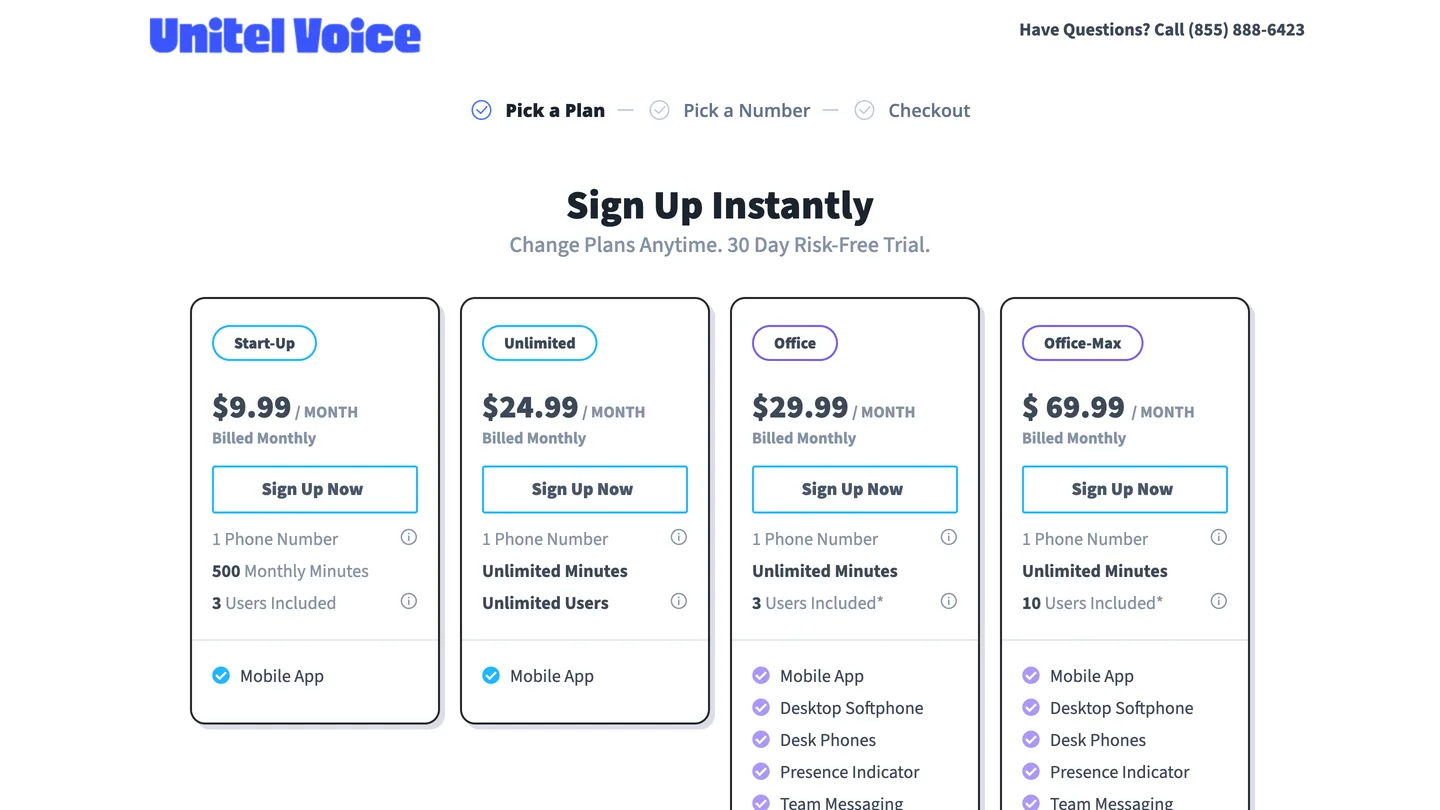 Jul 29, 2026
 Tech Stack
Unitel Voice Review 2026: Pricing, Features and Alternatives
Unitel Voice rates 4.6 on Capterra and gives a one-truck shop a business number for $9.99 a month. The published plans, the cost per call, and what it won't do.
Read Article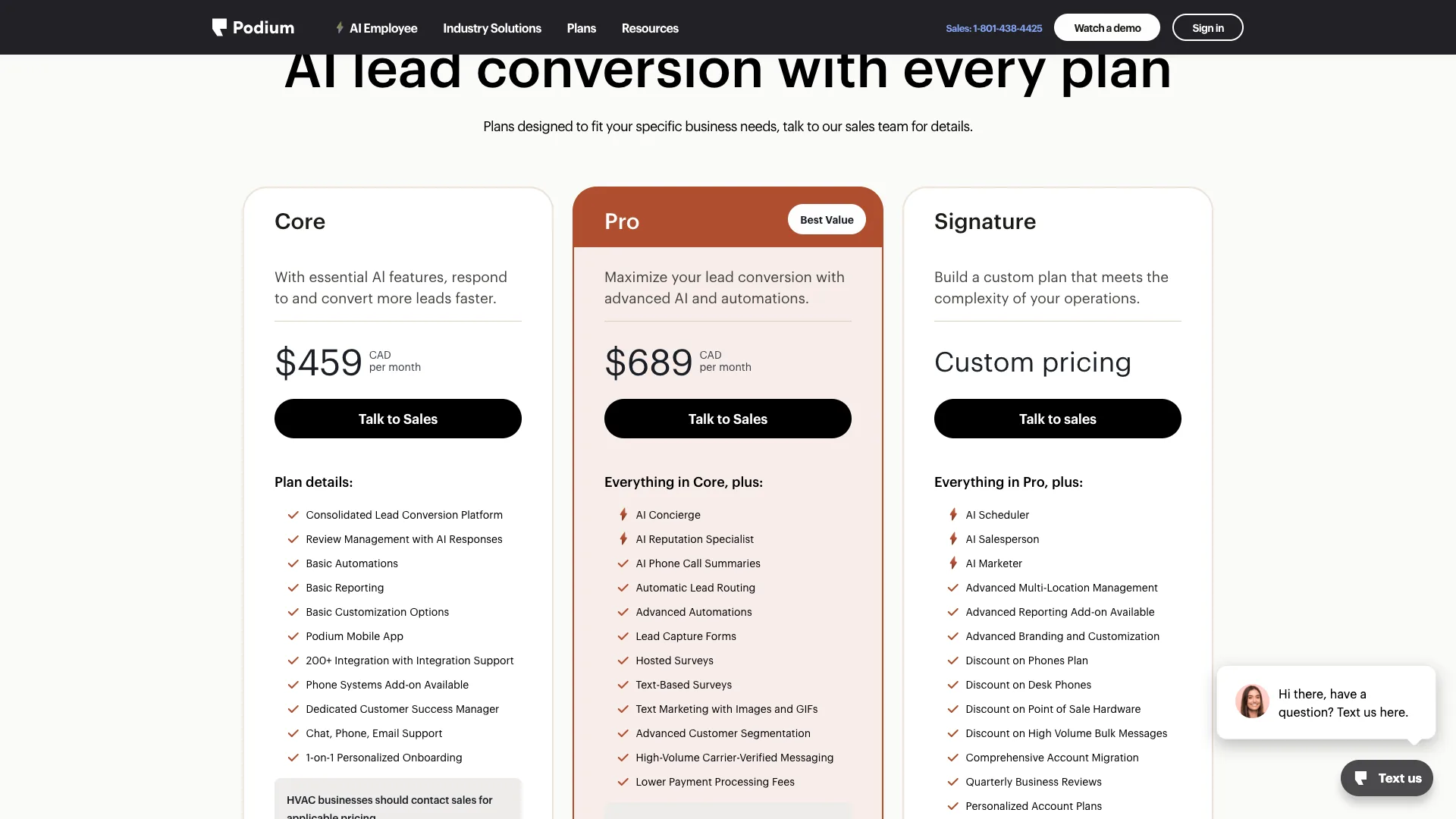 Jul 29, 2026
 Tech Stack
NiceJob vs Podium 2026: Pricing, Contracts and Review Gating
Both vendors print a price, at very different scale and in different currencies. The gap that matters is what Podium will not print: the billing unit, and whether a trade shop gets the number on the page.
Read Article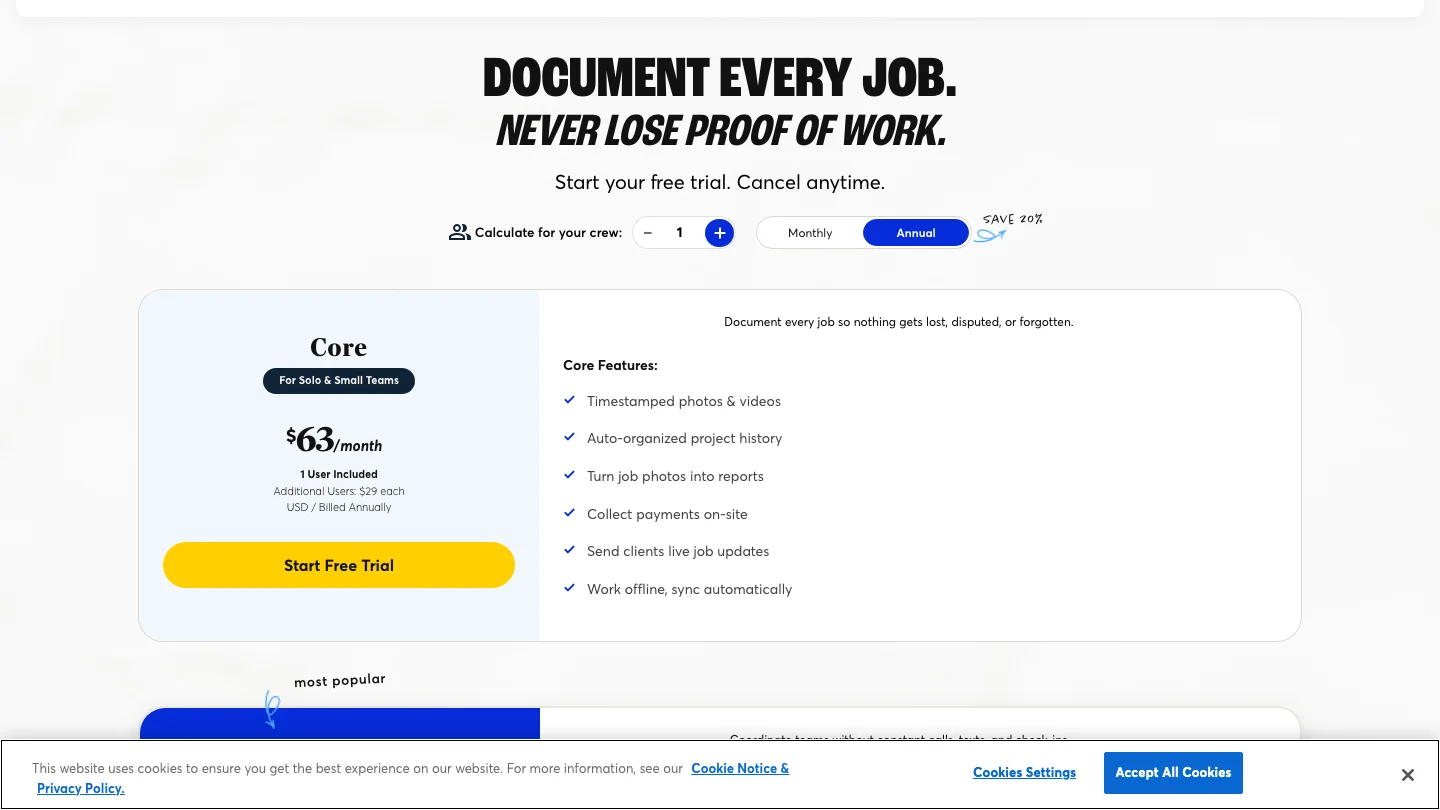 Jul 28, 2026
 Tech Stack
CompanyCam Review 2026: Pricing, Pros, Cons and Alternatives
Every page ranking for CompanyCam still quotes a per-user price the vendor no longer charges. Here are the real plans, the seat math, and who should skip it.
Read Article Jul 27, 2026
 Tech Stack
Buildertrend Review 2026: Pricing, Limits and Alternatives
Buildertrend rates 4.5 across 2,486 Capterra reviews and quotes against your revenue rather than your seat count. The workflows, the export problem, the alternatives.
Read Article Jul 27, 2026
 Tech Stack
CallRail Review 2026: Pricing, Pros, Cons and Alternatives
CallRail rates 4.5 on Capterra, and its tracking numbers port out free. But the two usage rates that decide your real bill are the two it does not print.
Read Article Jul 27, 2026
 Tech Stack
Roofr Review 2026: Pricing, Pros, Cons and Alternatives
Roofr rates 4.6 on Capterra and sells $13 measurement reports against a market charging triple. But it will not import a report from anywhere else.
Read Article Jul 25, 2026
 Tech Stack
Housecall Pro Review 2026: Pricing, Pros, Cons, Alternatives
Housecall Pro has the shortest learning curve in the category and the widest review spread. Real pricing, the Instapay math, and the migration trap to plan around.
Read Article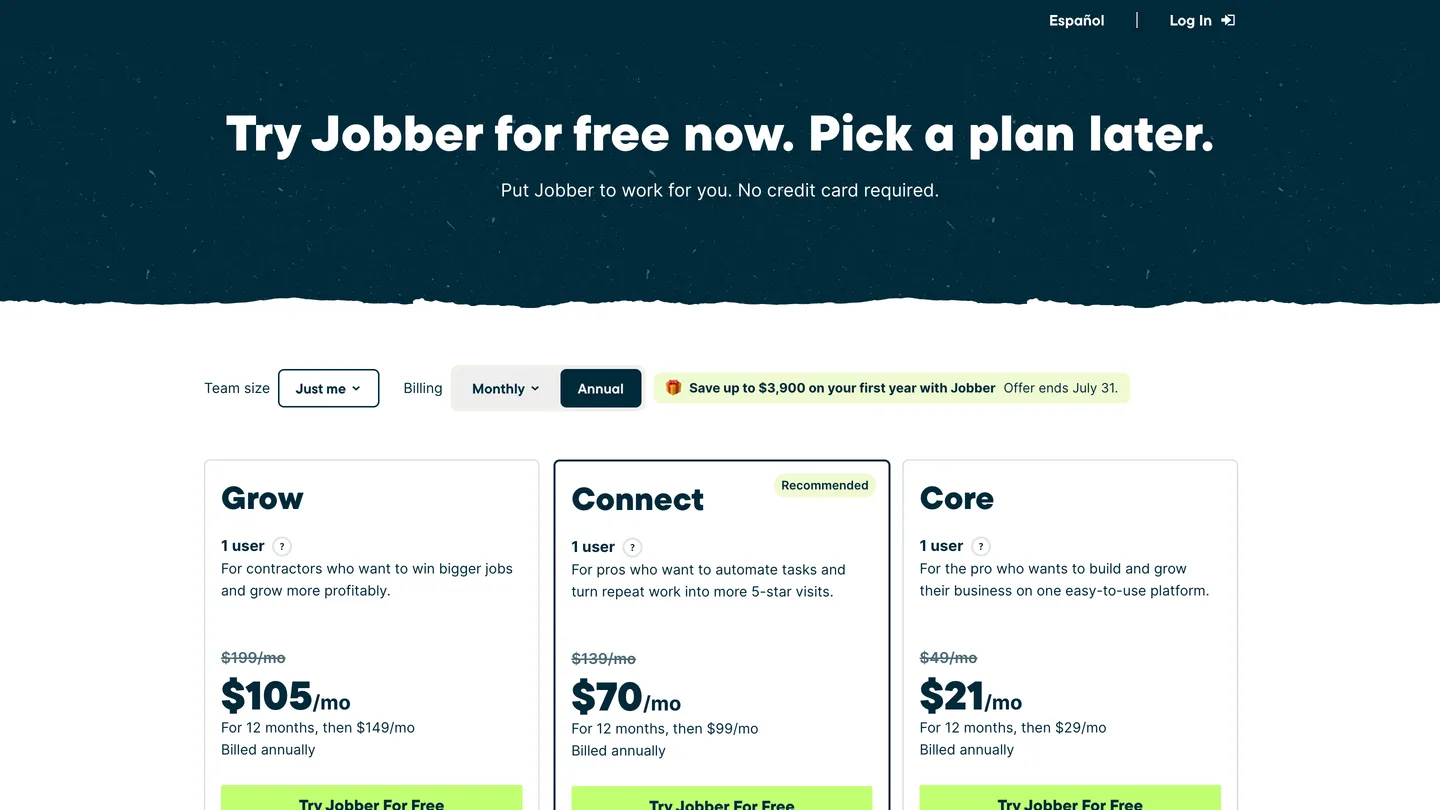 Jul 24, 2026
 Tech Stack
Jobber Review 2026: Pricing, Pros, Cons and Alternatives
Jobber rates 4.6 on Capterra with the best mobile app in the category. Real plan pricing, the feature gating that changes your entry price, and who it suits.
Read Article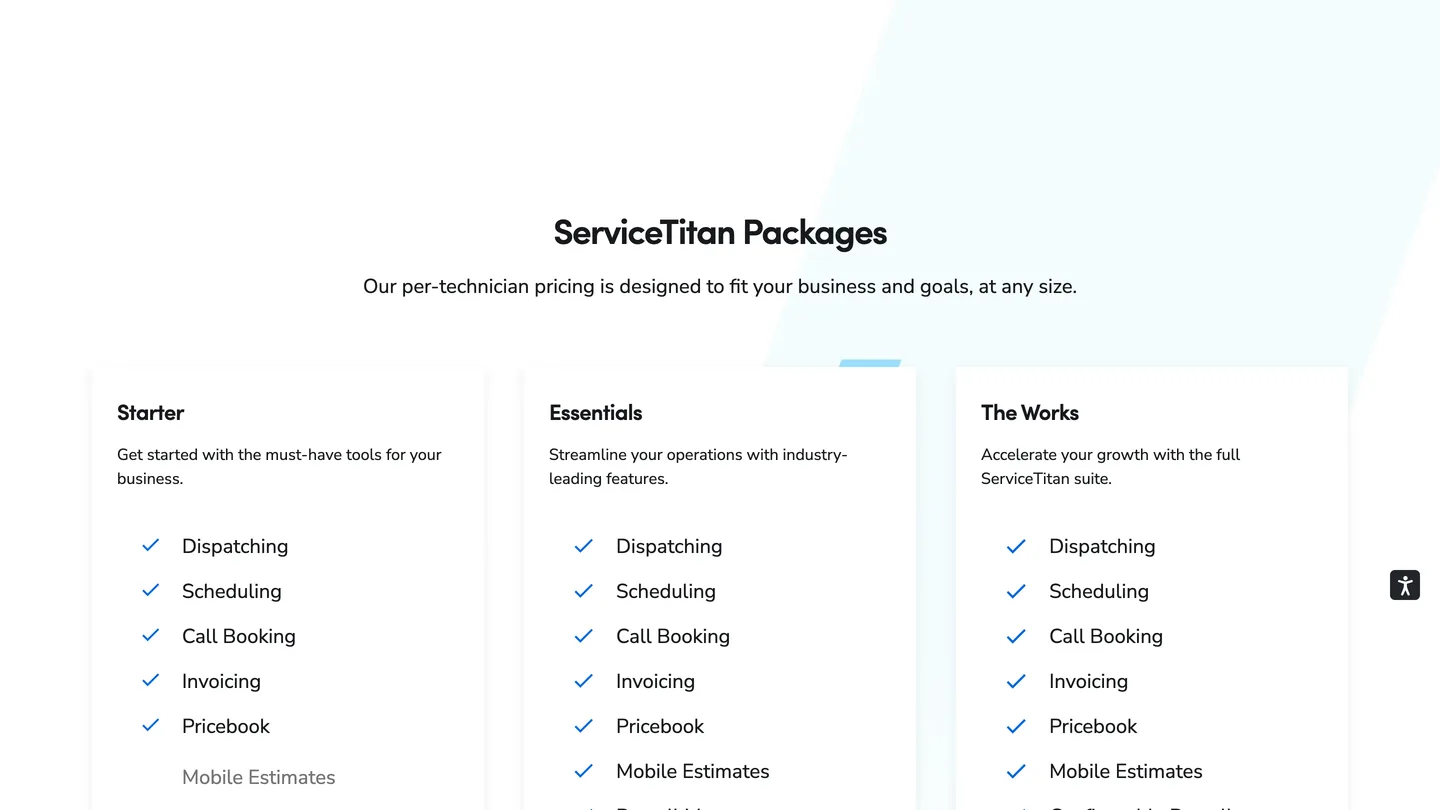 Jul 23, 2026
 Tech Stack
ServiceTitan Review 2026: Pricing, Pros, Cons, Alternatives
ServiceTitan rates 4.3 on Capterra but its weakest score is value for money. Real reported pricing, the 12-month contract, the exit fees, and who it actually suits.
Read Article Jun 3, 2026
 Tech Stack
HVAC Online Scheduling: The 43% Losing After-Hours Bookings
HVAC leads every trade on online booking at just 56.7%, which still leaves 43% of sites forcing an after-hours customer to wait for a business-hours phone call.
Read Article