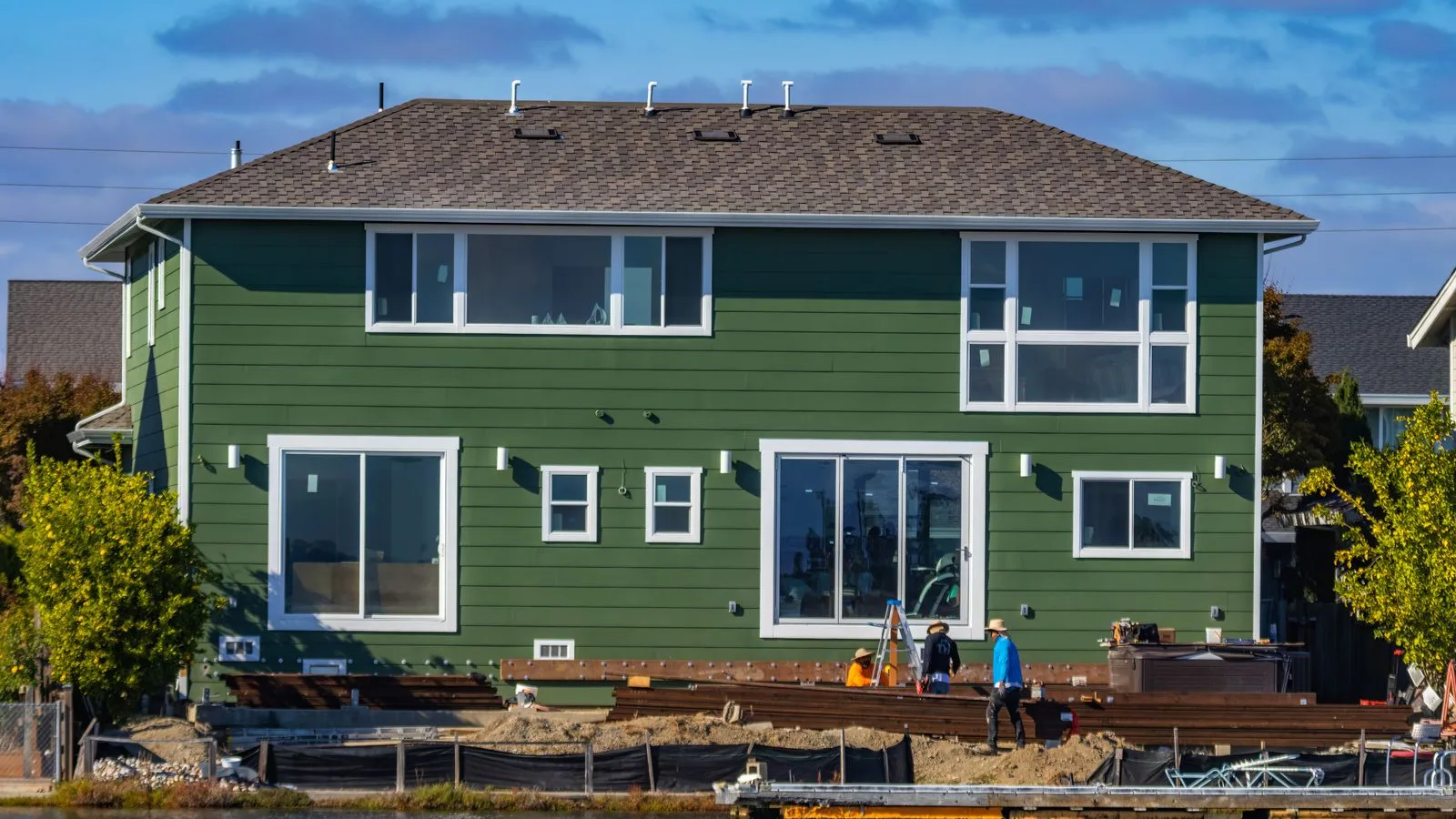

Ray is fifty-three. He has run a roofing crew out of Barrie, Ontario for twenty-seven years, bought the business at thirty-one, and built it into a team of fourteen. His guys can strip and reshingle a 2,400-square-foot home in a day. His roofing lead generation is a Facebook page and a truck-wrap phone number.
Master roofer? The provincial equivalent, yes, plus every manufacturer certification that matters. His crew has a two-week backlog most of the year and a referral list that fills the slow months.
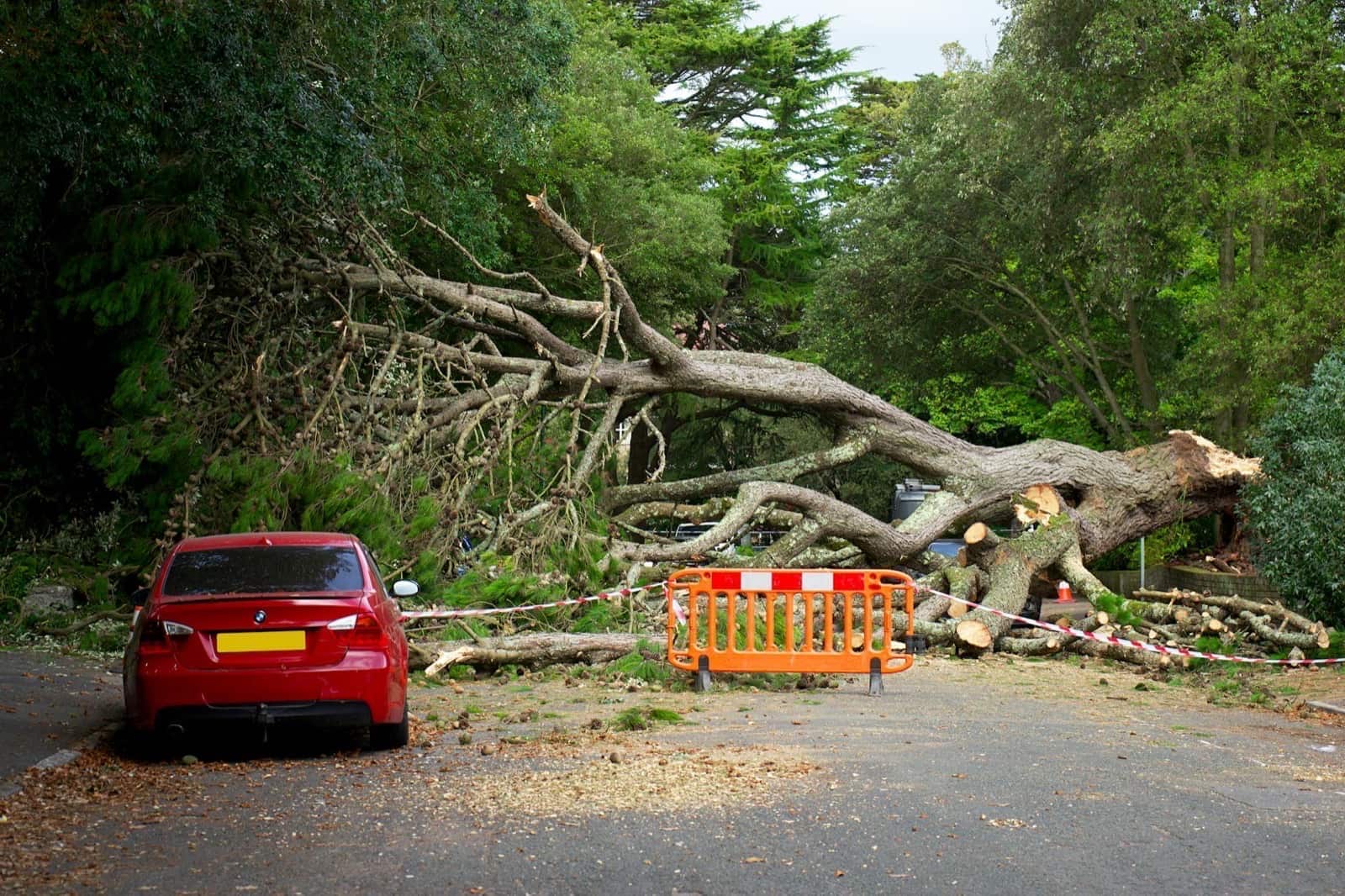
A derecho comes through the region in June. Sixty-mile-an-hour gusts, hail the size of marbles, and a few thousand roofs across Simcoe County suddenly missing shingles or worse. For ten days the search volume for "roof repair Barrie" and "storm damage roofer" runs five times normal. Insurance adjusters are booked solid.
Ray's phone rang nine times that week.
A three-year-old company called PeakLine, no manufacturer certifications, a crew of eight, sits at a 4.4 rating against Ray's 4.9. But PeakLine's site loads fast, leads with "Storm Damage? We Handle the Insurance Claim," has a page for every town in the county, and a form that starts the claim process. PeakLine signed $310,000 in storm work over those ten days.
Ray has the certifications. Ray has the crew. Ray has twenty-seven years and a referral list. What he does not have is the system that turns a storm into signed contracts.
So the hail passes, homeowners start searching, and the roofer who shows up first with a page about storm damage and insurance claims gets the inspection booked. The homeowner is not checking certifications while water is getting in. Ray sits on page three for "storm damage roofer Barrie." PeakLine sits first.
That gap is what this page is about: the search presence and the site that put your number in front of a homeowner the day the storm hits, and keep your crews booked through the quiet weeks in between, instead of the week a campaign happens to run.
What roofing lead generation means when you own the pipeline
Buy roofing leads from a platform and here is what you get: a fee per name, the same homeowner sold to three other roofers, and a flow that stops when you stop paying. You rented a list. You built nothing that lasts past the storm.
The other model is your site ranking for "roof replacement," "storm damage repair," and "roofers near me" in the towns you serve, your Google Business Profile in the map pack, and homeowners calling a number that rings your office. Those calls are yours, exclusive, and the rankings that produced them are still there next month, and next storm, whether you spent a dollar or not.
Put plainly, roofing lead generation done right means you build the thing that produces the calls, on ground you own. It costs more to start than a batch of storm leads. It stops costing as much once the rankings hold, and it does not disappear the week the weather turns quiet.
Why speed decides who wins the roofing lead
Roofing has the least patient customer in home services. Ninety-seven percent of roofing customers expect a callback within a week, and more than half expect one within two days. After a storm, that window is tighter still, because the homeowner is calling three roofers and going with whoever answers first and sounds like they have done this before.
Comparison
"97% of roofing customers expect a callback within one week. More than 50% expect a callback within two days."
— Roofing Contractor Magazine (2024)
A site built for lead generation shortens every step of that. It loads fast so the homeowner does not bounce. It puts the phone number and a "book a free inspection" button above everything. It has a page that explains the insurance claim process so the homeowner trusts you before you have spoken. And the form is four fields, because a homeowner with a tarp on the roof is not filling out twelve.
"Across the contractor websites Fervor inspected, 39% of those with a contact form ask the homeowner for 11 or more fields."
— Fervor Studio, Digital State of the Home Services Industry 2026 (2026)
The roofer whose site does all of that books the inspection while the competitor is still checking voicemail. Over a ten-day storm surge, that difference is six figures.
Speed also compounds. A homeowner who reaches you first, gets an inspection booked, and hears a clear explanation of how the claim works does not keep calling other roofers. You are not just first, you are done. The roofer who takes two days to call back is walking into a job the homeowner has already half-decided against, and spending an estimate to lose it.
The quiet weeks are where the roofing business is actually made
Storm work is loud and it is real, but it is not a plan. It arrives when the weather decides, it draws every roofer and every storm-chaser in a two-hundred-mile radius, and it disappears just as fast. A roofing company that only eats when it hails is not a business, it is a lottery ticket.
The steady money is planned replacement: the homeowner with a 22-year-old roof and a few curling shingles who has been meaning to deal with it. That homeowner is not searching "storm damage." They are searching "how much does a new roof cost," "asphalt vs metal roof," and "roofers near me," and they are doing it in March and September when your storm competitors have gone quiet. If your site ranks for those searches, your crews stay booked through the calm weeks, and the storm work becomes a bonus instead of the whole year.
This is the single biggest reason to own your roofing lead generation rather than rent it. Rented storm leads go silent between events. An owned search presence keeps producing planned-replacement inquiries every week of the year, and it is those inquiries, not the storm spikes, that let you hire, buy a truck, and sleep.
Spending
"In 2024, 22% of renovating homeowners undertook roofing upgrades, with a median spend of $13,000."
— Houzz Inc. (2025)
Storm work and planned replacement: two funnels
Storm leads search and book in a day. They want a fast page, a phone number, an inspection this week, and a roofer who handles the insurance side. Those pages stay lean and lead with the claim.
Planned replacement moves slower. A homeowner with a twenty-year-old roof and a few curling shingles researches materials, gets three quotes, and reads about warranties before choosing. A full replacement runs $9,000 to $18,000, and roughly a third of the market carries a roof in moderate or worse condition, so the pipeline of planned work is deep. Those pages need material comparisons, financing, and warranty details.
"In hail-prone states, average roof lifespan is 15 years vs 22 years in milder western states; 38% of U.S. homes have roofs in moderate or worse condition."
— Verisk Analytics (2025)
Commercial roofing runs on its own calendar entirely: flat-roof recoats, TPO and EPDM, property-manager relationships, scheduled maintenance. Give commercial its own section of the site. If you also do siding and gutters as part of an exterior package, that work has its own search demand, covered in our siding lead generation guide.

Build for both residential funnels plus commercial, and the roofer running one keyword set year-round has left most of the pipeline open for you.
What paid roofing lead generation costs to run
Everything above is about the leads you own. Paid ads rent demand while that builds, and roofing runs two very different paid motions. Storm work is a spike: a hail event and suddenly a whole ZIP code searches "roof repair" at once, and Google Search plus Local Services Ads is how you catch it. Planned replacement is steady all year, longer to close, and rewards search content plus Meta retargeting more than a cold lead form. Budget them as two lines, not one.
Start from the population you can actually roof, not the metro number. Storm chasers will tell you the radius is unlimited; for a company that wants repeat work and referrals, it isn't. That real service area caps the monthly roofing leads worth winning. Pick the matching tier first.
What roofing ad budgets run, by service area and market
| Serviceable population | United States (USD) | Canada (CAD) | United Kingdom (GBP) | Ireland (EUR) |
|---|---|---|---|---|
| Under 50,000 | $2,100 | C$1,700 | £1,800 | €1,500 |
| 50,000 to 200,000 | $3,400 | C$2,900 | £3,100 | €2,600 |
| 200,000 to 1 million | $5,250 | C$4,400 | £4,600 | €3,800 |
| 1 to 5 million | $6,750 | C$5,750 | £6,250 | €5,250 |
| Over 5 million | $8,500 | C$7,250 | £7,750 | €6,500 |
| Serviceable population | United States (USD) | Canada (CAD) | United Kingdom (GBP) | Ireland (EUR) |
|---|---|---|---|---|
| Under 50,000 | $500 | C$450 | £450 | €350 |
| 50,000 to 200,000 | $850 | C$700 | £700 | €600 |
| 200,000 to 1 million | $1,300 | C$1,100 | £1,100 | €900 |
| 1 to 5 million | $1,700 | C$1,400 | £1,400 | €1,200 |
| Over 5 million | $2,100 | C$1,800 | £1,800 | €1,500 |
| Serviceable population | United States (USD) | Canada (CAD) | United Kingdom (GBP) | Ireland (EUR) |
|---|---|---|---|---|
| Under 50,000 | $800 | C$750 | £750 | €650 |
| 50,000 to 200,000 | $1,400 | C$1,200 | £1,200 | €1,100 |
| 200,000 to 1 million | $2,000 | C$1,800 | £1,800 | €1,600 |
| 1 to 5 million | $2,700 | C$2,400 | £2,400 | €2,200 |
| Over 5 million | $3,400 | C$3,000 | £3,000 | €2,700 |
Figures are rounded monthly planning midpoints for an Operating budget, in each market's local currency. They're not platform prices. A Test budget to start evaluating the channel runs roughly half these numbers; a Growth budget, once the economics are proven and you have the capacity to take on more work, runs close to double. Service area means the population you can realistically reach, not your city proper. Amounts are media spend only and exclude account management, landing pages, call tracking and CRM. Australia is search and social only, since Local Services Ads aren't available there for roofing companies. Expected results are ranges, not guarantees.
The table is demand capacity. The local auction decides where in each range you sit, and roofing is one of the most contested categories in home services, with storm-chasing advertisers flooding in after every event. In a hail-belt metro expect the top of the band or past it; a mild-climate market with fewer competitors clears the same volume for less. So pull your own data before committing: Keyword Planner, quoted click prices, Local Services lead costs by postcode.
The monthly figure only matters against your margin. At the US mid-market number, roughly $5,250 in search spend at about $228 a lead, near the highest cost per lead of any trade, is around 23 leads a month. Roofing search leads book near 18 percent on this model, so call it 4 signed jobs at roughly $1,300 to acquire each. On a replacement with a median around $13,000 that can still work, but the number is unforgiving, so run it with your own close rate and ticket. A lead is not a booked inspection, and a booked inspection is not a signed contract.
A search or Local Services lead is a homeowner with a tarp on the roof. A Meta lead is someone who saw a re-roof photo and is a year from buying. The Meta lead costs less and closes slower, and slower is not cheaper once you count the jobs that never sign. Compare spend to contracts.
Roofing has Local Services Ads in the United States, Canada, the UK and Ireland, with Australia unsupported. Google sets eligibility by category and location and revises both, and after a storm it tightens screening on new advertisers, so confirm your account is clear before a hail event, not during one. Billing is moving to pay-per-lead as well.
The table can't predict a storm or weight your mix. A hail event triples demand and cost for weeks, and a business built on insurance restoration runs different math than one selling retail replacements. These are media figures only, with nothing for management, landing pages, call tracking or the CRM, so a channel that looks even on media alone is losing money once those land.
"In Fervor's State of Roofing inspection, 49.5% of roofing contractor websites with a contact form ask the homeowner for 11 or more fields."
— Fervor Studio, Digital State of the Roofing Industry 2026 (2026)
And the spend is wasted if the page can't convert a storm-rattled homeowner. Paid and organic traffic hit the same site, the same load time, the same long quote form. A free Site Inspection shows you what that visitor runs into first.
Roofing lead generation companies vs. agencies
Two different businesses will sell you roofing lead generation. A lead broker generates storm-chaser names at scale and resells them, shared, at a premium right after a weather event. For a roofer with no site and a storm to chase this week, it is a stopgap.
An agency builds the system on your side: your site, your rankings, your Google Business Profile, an asset you keep across every season and every storm. The leads are exclusive because the homeowner found and chose you. When a roofer searches for the best roofing lead generation companies and lands on an agency instead, this is the model they wanted. It is the same logic behind roofing SEO and roofing website design.
Fervor is the second kind. We do not sell you leads. We build the thing that generates them, and then it is yours.
How to get roofing leads from search
Your site has to load fast and push one action. A homeowner with a damaged roof is often on a phone, sometimes standing in the yard looking up, and gone if the page hangs. Above 90 on mobile PageSpeed, a click-to-call and a "free inspection" button in reach, and a headline that speaks to the situation, storm in season, replacement year-round.
Then a real page for every town you cover, written for that town, referencing the local climate, the storms that region actually gets, the common roof types in that housing stock, and your response time from the yard. Not one page with the town name swapped, which Google buries. This is where local roofing leads come from, and it is tedious enough that most of your competitors skipped it. It also means that when a storm hits a specific town, you already rank for that town, instead of scrambling to buy ads against every roofer who had the same idea.
And you need pages that answer the questions a homeowner types before they call: how a roof insurance claim works, what a replacement costs in your market, how asphalt compares to metal, how long a tear-off takes, what the warranty covers. A roofer who has done a thousand of these can answer all of it, and once it is on the page it ranks and converts for years. A competitor who skipped it leaves the homeowner guessing, and homeowners do not sign when they are guessing.
Your Google Business Profile carries the map pack, which takes more than 40 percent of local clicks. In Fervor's State of Roofing inspection, only 34.6% of roofing contractor sites showed named-customer testimonials, so a profile full of recent five-star reviews and job photos is a real edge. Consistent name, address, and phone across directories, weekly posts, and a steady review flow. Our roofing marketing guide covers the off-page side.
"In Fervor's State of Roofing inspection, only 34.6% of roofing contractor sites showed named-customer testimonials."
— Fervor Studio, Digital State of the Roofing Industry 2026 (2026)
You can see where your site stands before spending a dollar. We grade it in 48 hours, no call required.
The math, and how to measure it
Buy roofing leads at $75 each, more after a storm, and close 12 percent, and that is over $600 in lead cost per signed job before a crew rolls. Build a search presence pulling 600 organic visitors a month at 4 percent conversion and you get 24 leads, close 30 to 40 percent because they chose you, sign 7 to 9 jobs a month, and the cost per lead drops as rankings hold.
Track four numbers: calls and inspection bookings from organic on a dedicated tracking line, form submissions from organic pages, cost per organic lead, and revenue attributed to organic from first click to signed contract in your CRM. An agency reporting rankings without tying them to signed roofs is handing you a weather report, which in this trade is especially useless.
"In Fervor's State of Roofing inspection, 49.5% of roofing contractor websites with a contact form ask the homeowner for 11 or more fields."
— Fervor Studio, Digital State of the Roofing Industry 2026 (2026)
The job-type split matters too. A storm repair, a full replacement, and a commercial recoat all count as one lead, but the revenue and margin are nothing alike. When your reporting breaks organic leads out by what the homeowner asked for, you learn which town pages to expand, which storm keywords to defend with ads, and whether the planned-replacement content is pulling its weight in the calm months. That is the difference between a report you read and a plan you act on.
Where Fervor fits
We start with a free Site Inspection. We pull the top-ranking roofers in your service area, count exact term frequency across 10 ranking zones, and build a mathematical content brief before anyone writes a sentence. You see where your site is losing inspections, with numbers.
Then we build for the booked inspection: fast load, storm-aware content that shifts with the season, a page for every town, an insurance-claim page that builds trust before the call, a Google Business Profile that holds the map pack, and a booking flow that turns a homeowner with a damaged roof into a scheduled inspection in under a minute. After launch we run the monthly work that keeps it climbing so the next storm lands on rankings you already hold.
"In Fervor's State of Roofing inspection, 60.8% of roofing contractor sites had at least one critical accessibility failure across their pages."
— Fervor Studio, Digital State of the Roofing Industry 2026 (2026)
Organic lead volume builds over six to twelve months and keeps producing between storms, when a purchased-lead roofer's phone goes quiet. That is the case for owning your roofing lead generation rather than renting it.
Book a free Site Inspection and we will show you where your roofing site is losing inspections on searches like "roof replacement near me," with numbers, not opinions.
What a Fervor engagement includes
Booked by Design™
Complete website system built to convert storm leads, planned projects, and research-phase homeowners into booked jobs. Trade-specific. Conversion-engineered. Yours.
- Custom design + trade-specific conversion architecture
- Mobile-first, SEO-ready build
- CallRail tracking + NiceJob review integration
Performance Partner™
Monthly SEO, content, and CRO with fixed deliverables. No credits, no rollover, no guessing what you're paying for. The compound growth engine.
- Monthly SEO content + technical monitoring
- Conversion rate optimization
- Revenue-tied reporting + dedicated account manager
The Site Inspection
Scored Site Inspection across 6 conversion categories with specific findings and revenue impact estimates. No pitch. Just the data.
- 100-point conversion potential inspection
- Competitor benchmarking in your market
- Revenue impact estimates per finding
- Actionable fix list prioritized by ROI
Tools we recommend for this trade
For roofing companies running crews and a claims pipeline, ServiceTitan handles dispatch, invoicing, and marketing attribution in one system. NiceJob automates review requests so the profile that wins the map pack keeps filling. And put a tracking number on every channel: CallRail gives you dedicated numbers for the site, the Google Business Profile, and your yard signs, so you see which one books the $14,000 replacement and which one books a repair.
Roofing lead generation questions we get asked
How do I get roofing leads without buying them?
Rank your site for "roof replacement," "storm damage repair," and "roofers near me" plus your town, win the Google map pack with reviews and job photos, and build a real page for every town you cover plus a page on the insurance claim process. Those leads are exclusive to you and keep coming between storms. It takes three to five months for real traction, so most roofers run paid ads alongside it for the first two quarters and during storm surges.
Why do bought roofing leads convert so poorly?
They are shared with three or four roofers, they spike in price right after a storm when you need them most, and the homeowner never chose you, so the close rate sits around 10 to 15 percent. You also compete on speed against roofers who bought the same name, which turns into a callback race.
How much does roofing lead generation cost?
Bought leads run $40 to $150 each and more after a weather event. An owned system built by an agency runs $8,500 to $12,000 for the site plus $997 to $2,497 a month, and the cost per lead falls as rankings hold. Over a year that includes a storm season, the owned system is far cheaper per signed roof.
Should the site focus on storm work or replacement?
Both, on separate pages. Storm pages lead with the insurance claim and an inspection this week. Replacement pages carry material comparisons, warranties, and financing for the homeowner researching a planned job. A site that treats them the same underperforms on both, and replacement work is what keeps crews booked when the weather is calm.
How fast does a roofing site need to respond to a lead?
Fast. Ninety-seven percent of roofing customers expect a callback within a week and more than half within two days, and after a storm the winner is usually whoever calls back first. The site's job is to make that call easy to trigger: click-to-call above the fold, a short form, and a clear "we inspect this week" promise.
Do commercial roofing leads work the same way?
No. Property managers and facility teams search differently, buy on relationships and scheduled maintenance, and run a longer cycle. Commercial roofing needs its own section of the site with its own keywords, its own case studies, and its own follow-up.
Roofing marketing and website design, deeper guides
Two Fervor roofing guides go deeper than this trade guide on the parts of the system most roofing operators want help with first.
- Roofing marketing, the full paid, organic, and review-velocity system. Google Local Services Ads, Google Ads, Meta Ads, NiceJob review acquisition, CallRail attribution, JobNimbus or AccuLynx CRM integration, and the budget bands by company size.
- Roofing website design, the structural conversion layer the marketing system points at. Mobile-first builds, sub-2-second mobile LCP, WCAG 2.1 AA accessibility, full schema graph, and the price-tier breakdown of roofing web design in the market in 2026.
The software roofing contractors ask us about
We sell none of this software and resell none of it. But you asked what runs the office, so we went and priced each one, then read the contract for the part that costs you later.
- Xactimate review. Xactimate is the property-claims estimating platform published by Xactware Solutions, Inc., a Verisk business.
- Angi for Pros pricing and contract terms. Angi for Pros is the contractor side of Angi, the largest shared-lead marketplace in US home services.
- our AccuLynx review. Roofing-only business management software covering CRM, aerial measurement ordering, estimating, supplier direct ordering, production tracking and invoicing for roofing contractors.
- Avoca AI review. An AI voice agent that answers a contractor's inbound calls, texts and web chats around the clock and writes the booked job straight into ServiceTitan or Housecall Pro.
- Commusoft pricing and contract terms. Commusoft is a UK-built, cloud field service management platform for plumbing, heating, gas, electrical and facilities-maintenance contractors.
The Site Inspection: How The Biggest Roofing Websites Score on Lead Conversion
We ran Site Inspections on these home service brands on 100 points of conversion potential. See what the national players get right, where they leak leads, and what independent contractors can exploit.
Compare roofing marketing agencies
See how these agencies stack up against Fervor Studio for roofing contractors.
So where the work starts depends on which channel is leaking. When customers can't find you in the first place, that's a job for Roofing SEO. When the clicks land but the phone stays quiet, the site itself is the leak, and Roofing Website Design is where you plug it. And once traffic is steady, Roofing Conversion Rate Optimization wrings more booked jobs out of the visitors you already paid for.
None of these numbers are ours to guess at; they come straight from our State of Roofing 2026, brand by brand.
The same playbook runs for our Siding marketing clients, since neighboring trades leak leads the same way. It carries over to Painting marketing too. This trade is one piece of our wider exterior contractor marketing practice. And if you run an adjacent crew, our mechanical contractor marketing covers that side of the house.