Rank on Google for "roofer near me" in Toronto.
Right now, someone in Toronto is Googling "roofer near me." We get you showing up first, then turn that click into a booked job.
How Can We Help?
Choose the option that suits your needs.
Let’s Investigate
We will send your Site Inspection to the email you provided.
You’re in.
We’ll send your Site Inspection within 5 business days.
Let’s Chat
Book a time that works for you.

“Attentive, listened to every revision request, delivered on time. Would work with him again.”
- Hamza Najam

“Patient, on point, straightforward. Did amazing work. Would 100% recommend.”
- Ruben Mederos, HyperTemp HVAC

“Responsive, creative, exceeded expectations. Already seeing greater engagement from our clients.”
- George Jeorgy, Jeorgy's Landscape Construction

“Top-tier professionalism, real web design expertise, ideas I hadn't considered. Confidently recommend.”
- Aws Nassani, Four Eleven Contracting














































































Let’s talk about what your website could be doing for your business.
Call Us TodayThe Toronto, ON Roofing specifics your website needs.
Every angle below comes from how Toronto, ON homeowners search, evaluate, and buy, built into your site to help boost conversions.
The Eave Rule That Won 2013's Ice Storm
When December 2013's ice storm coated Toronto in up to 30 mm of ice and cut power to more than 400,000 customers, the roofs that came through had proper eave protection. The Ontario Building Code forces it, running a membrane 900 mm up the slope and at least 300 mm past the inner face of your wall. Toronto's climate never earns the exemption, so your ice-and-water shield is mandatory, not optional.
Ontario Rewrote The Rulebook In 2025
Your Toronto roof answers to a code that changed on January 1, 2025. Ontario Regulation 163/24 folded the old provincial code into the National Building Code 2020 plus Ontario amendments, aligning the two after years of divergence. So a contractor still quoting the older edition is working from a rulebook that expired once the transition window closed on March 31, 2025. The eave, snow, and rain provisions all shifted underneath them.
126 Millimetres Fell In One Afternoon
On July 8, 2013, Toronto took 126 mm of rain in a few hours and set a single-day record, and the bill ran past 940 million dollars in insured losses, which made it Ontario's costliest natural disaster at the time. Your flat or low-slope roof is where that kind of deluge either drains or ponds. Undersized drains, failed flashing, and tired seams are exactly what a storm like that finds first.
Toronto Lets You Re-Shingle Permit Free
The City of Toronto says plainly that replacing roofing material needs no building permit as long as no structural work is involved, so a straight tear-off and re-shingle on a sound deck is exempt. But the moment your crew opens rotted sheathing, changes the slope, adds a skylight, or swaps asphalt for much heavier slate, you cross into permit territory. So ask which side of that line your job sits on.
WSIB Coverage Is Not Negotiable Here
Ontario made Workplace Safety and Insurance Board coverage compulsory across construction, so almost every roofing operator, sole proprietor, and partner on your project is a deemed worker who has to be registered. And roofing sits among the higher-risk trades. The one narrow exemption covers someone you hire directly as a homeowner in their own name. So ask for a current WSIB clearance certificate before anyone climbs a ladder on your house.
Anyone Can Legally Roof Your House
Ontario classifies roofer as trade 449A, and it is non-compulsory, which means nobody needs a certificate of qualification to legally shingle your Toronto home. The City of Toronto does require a municipal contractor licence for the work, but the provincial skill credential is voluntary, so an unregistered roofer will not show up on any provincial register. So the burden of vetting skill and references falls on you.
Your Roof's Age Is An Insurance Trigger
Ontario insurers watch the calendar on your roof. Many add surcharges or demand an inspection once an asphalt roof passes 15 to 20 years, and some quietly move you from replacement cost onto actual cash value. And under actual cash value they subtract depreciation, so a 20 year old roof on a 25 year rating can pay out a fraction of a replacement. That gap lands on you exactly when you can least afford it.
Your Shingles May Be Made In Brampton
IKO, one of the shingle brands your Toronto roofer is most likely to quote, is headquartered in Brampton, Ontario and has run a plant there since 1959. So a big share of the asphalt shingles going onto GTA roofs are made and shipped from within the province. That is a genuine local supply advantage, but it does not replace the questions that matter: the installer's licence, warranty terms, and references.
Why Roofing SEO in Toronto Decides Who Gets the Call
Think about how a homeowner in Leslieville behaves when they spot a water stain on the ceiling. They don't pull out a binder of contractor business cards. They grab their phone, type "roof repair near me," and tap one of the first three results. So that's the map pack. And if you're not in it, you're not in the running. The numbers here come straight from our State of Roofing 2026.
Get My Site Inspection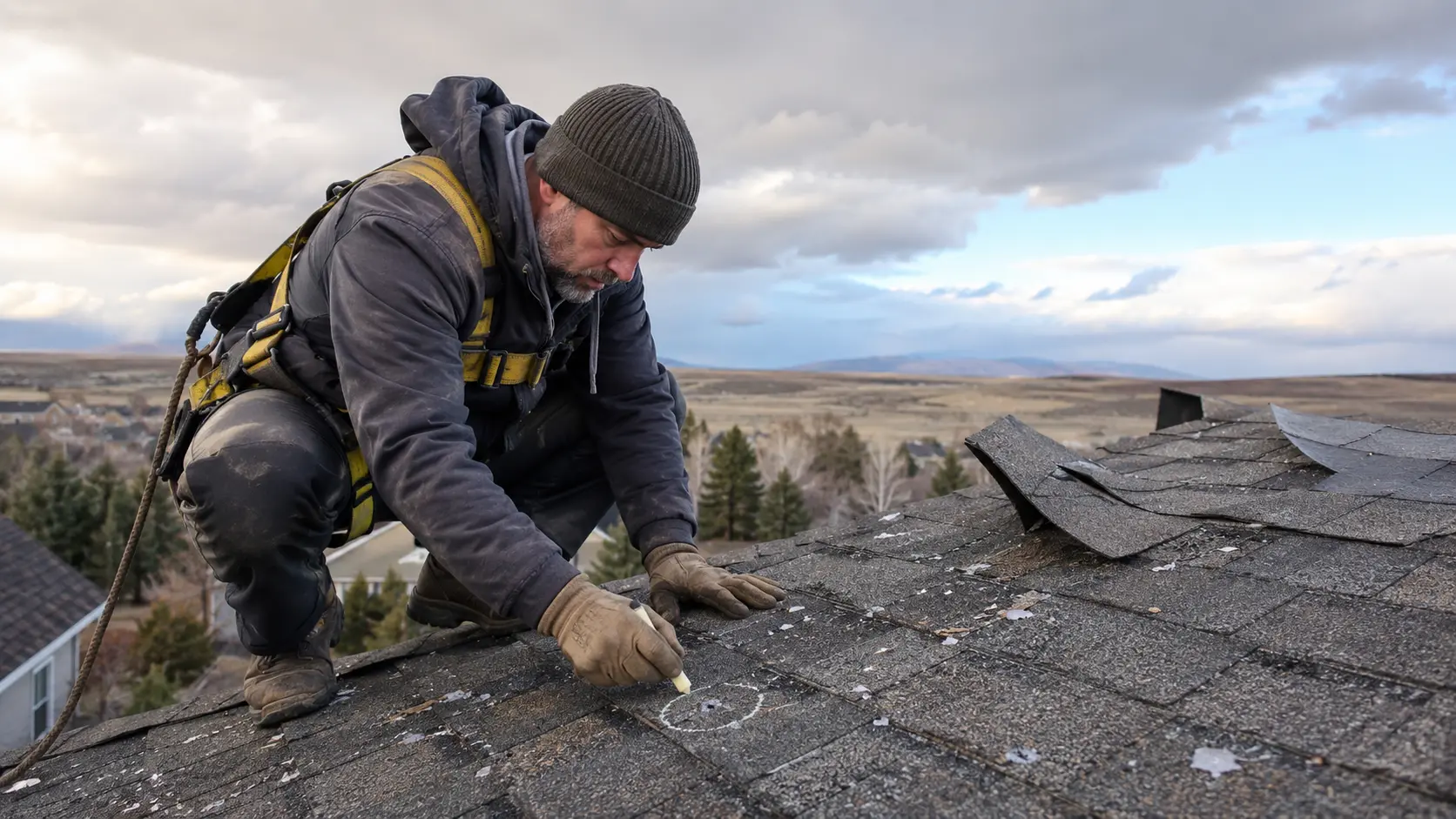
What Actually Moves Your Local Ranking
Let's talk mechanics. There are roughly four things Google weighs when it decides who shows up for a homeowner in your service area, and none of them are mysterious. This is the part of roofing SEO in Toronto that most shop owners never get told straight, so here it is plain. We run the same playbook in other markets, like roofing SEO in Charleston SC.
Get My Site Inspection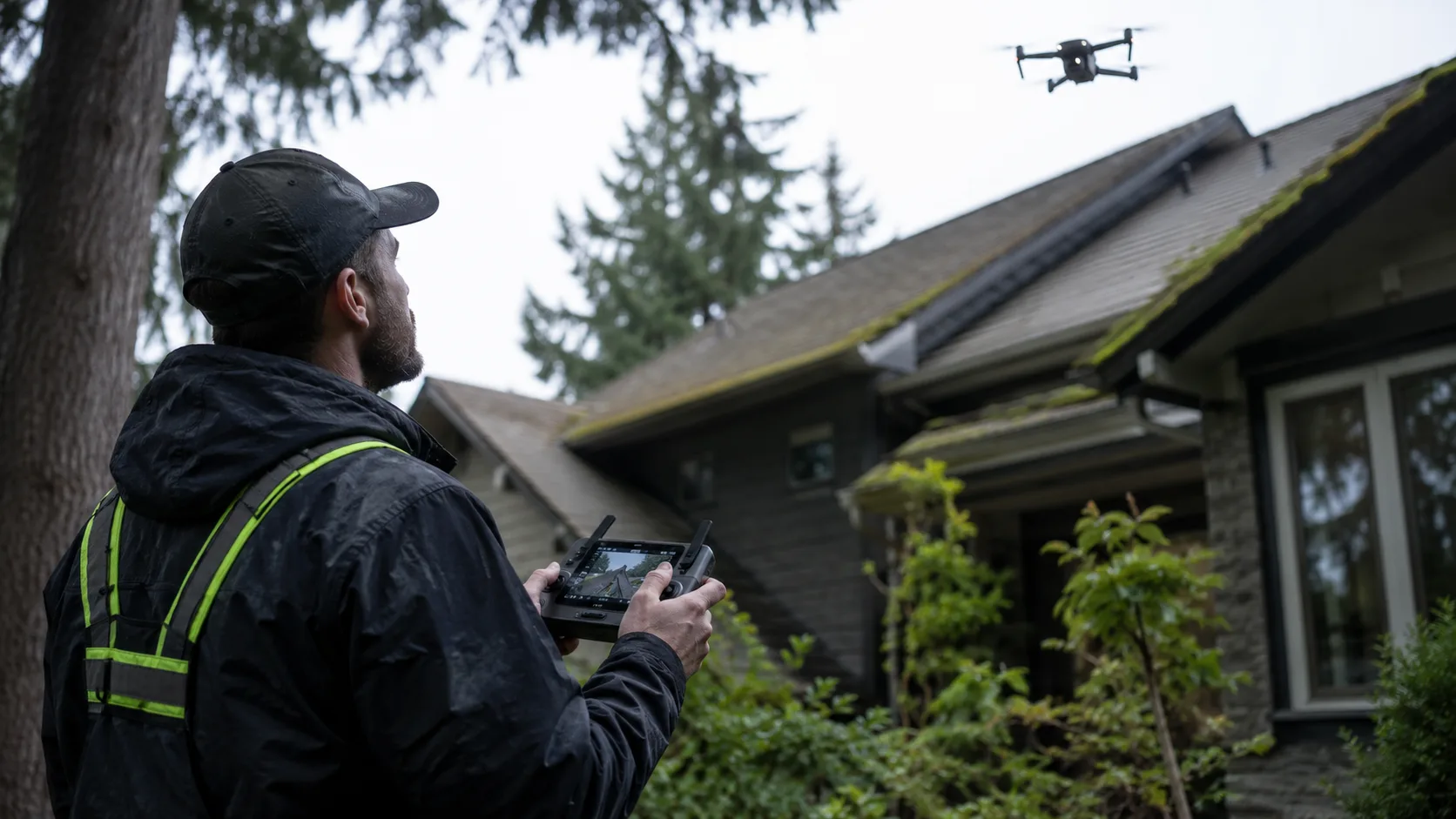
The Money Math on Ranking Higher
Let's run the napkin math, because this is where the decision gets easy. The same crew also handles Roofing Conversion Rate Optimization in Toronto, ON.
Get My Site Inspection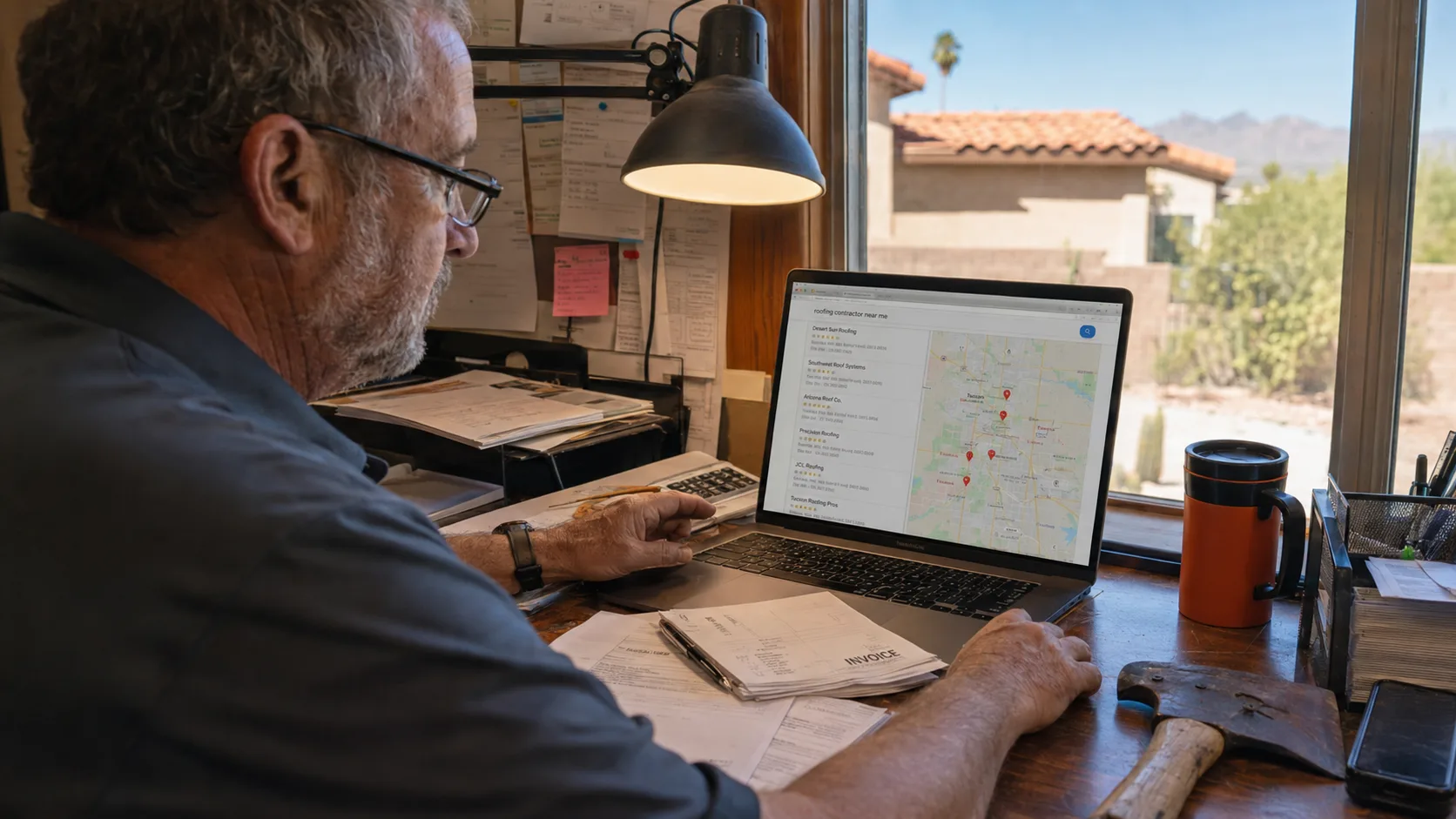
Building Pages Around How People Buy a Roof
Homeowners don't all want the same thing, and your site should reflect that. Some are panicking over an active leak. And some are planning a full replacement for next spring. So your pages need to meet both. We run the same build nearby for Roofing SEO in Montreal, QC.
Get My Site Inspection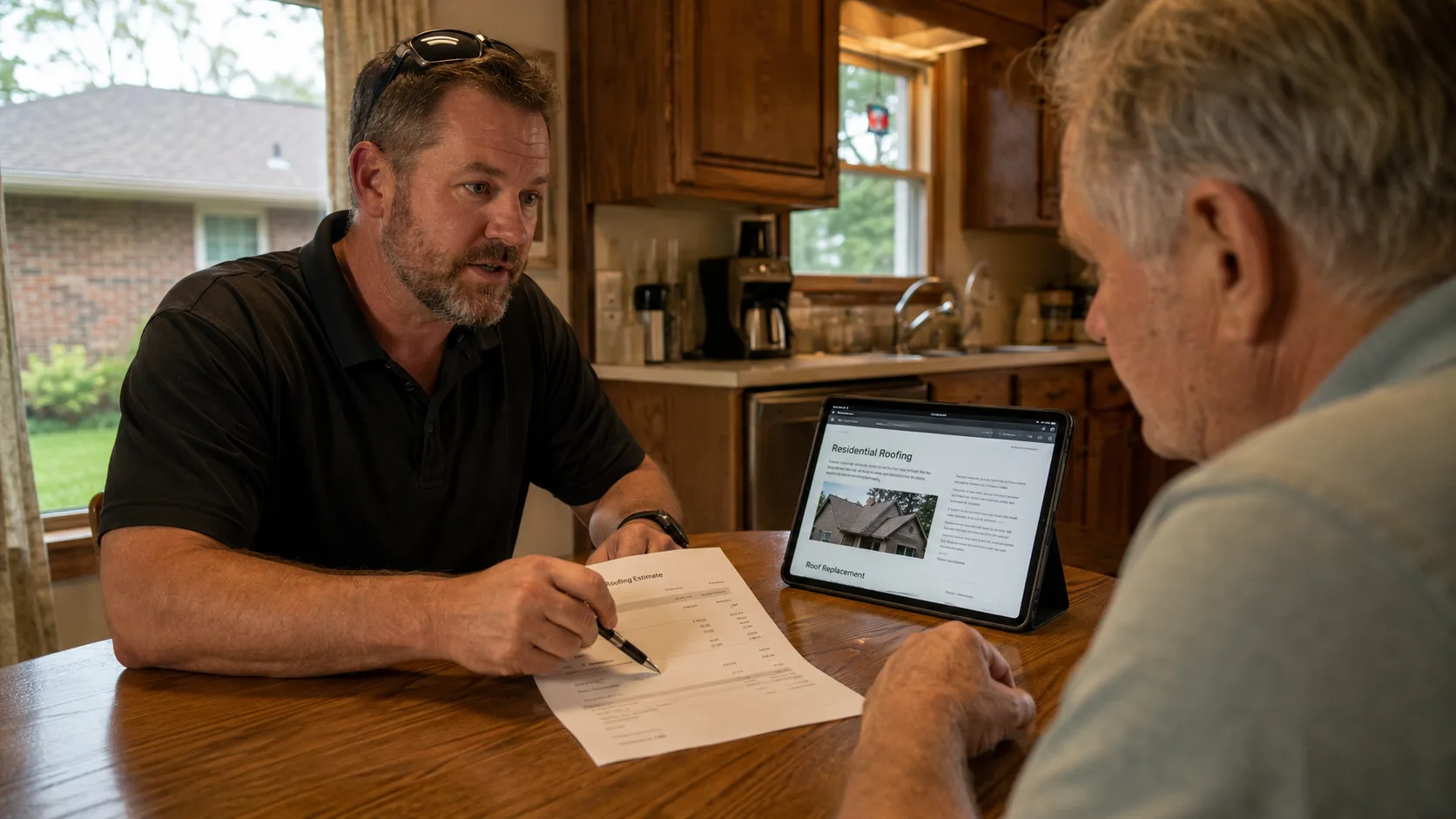
Questions Contractors Ask Before Hiring Us
What does roofing SEO in Toronto actually get me?
Calls from homeowners in Toronto who are already searching for your trade. The work is to rank you for the high-intent local queries that move revenue, then make sure the page converts the click once it lands.
How is this different from the last agency that burned me?
You see the scoring framework, the benchmark data behind it, and your ranked fix list before any remediation work begins. It is a diagnosis you can evaluate, not a promise you have to trust.
How do you know this works for my trade?
The Fervor Grade framework was built by scoring 380 contractor sites across roofing, remodeling, and HVAC. Your trade's patterns are in the data, not borrowed from SaaS or dentists.
How long does it take?
The Site Inspection takes 5 business days, and it needs about three minutes from you. The ranking work that follows is ongoing, because search is.
Who owns the website and the accounts?
You do. The domain, the content, the analytics, every account we touch. Day one. No ownership traps, no holding your site hostage if you leave.
What if I do not like what the inspection finds?
Then you found out something that was already costing you, and now you know where. The inspection surfaces what is actually wrong on the site so you can decide what to fix.
Do you only work with contractors in Toronto?
No. We work with roofing contractors across the region, and the research covers national brands too, so the benchmark holds whether you are downtown or two towns over.
How much does it cost?
The Site Inspection is free. You only pay for the remediation work once you have seen the diagnosis and decided it is worth fixing.
Will the changes hurt my current rankings?
No. The work protects what already ranks. We map the URLs and the equity first, fix the conversion leaks, and improve the pages that search already trusts rather than wiping them.
What do I have to do during the project?
Very little. The intake takes minutes, and the build work is ours to run from there. You keep running crews. We will only ask for things no one else can give us, like your real service area and your best photos.
Still Have Questions?
Give us a call expressing your specific needs, and we’ll see if we are a good fit for each other.
Google's Local Pack ranking runs on review volume and how recent those reviews are. Contractors tend to under-collect reviews they've already earned, because asking after every job is easy to forget in a busy week. NiceJob sends the ask automatically once a job wraps, so new reviews keep flowing without you remembering. You can also set it up to ask your past clients for reviews. If your CRM already handles review requests, use that. Either way, it works better as a system than as a task on someone's to-do list.
Before you go, grade your own site
Get The Roofing Website Diagnostic Checklist: the nine checks we pulled from inspecting 130 Roofing contractor sites. It takes about ten minutes, and it shows you which fix wins back the most jobs first.
Your checklist is on its way.
Your copy of The Roofing Website Diagnostic Checklist is landing in your inbox now. And if you would rather not wait, grab it right here.
Download it now