
















































































“Fervor Studios did an incredible job creating our website. From the design to the functionality, everything was handled professionally and exceeded our expectations. The team was responsive, creative, and made the entire process smooth from start to finish. They truly brought our vision to life and delivered a modern, high-quality website that we're proud to showcase. We're already seeing greater engagement from our clients and look forward to working with Fervor Studios again. Highly recommend Fervor Studios to anyone looking for top-tier web design and development services!”
View on Google →Contractor SEO for Landscaping Companies
Landscaping sells with pictures, and buyers shop with their eyes. We get your landscaping company found for the quick maintenance search and the weeks-long patio dream, on pages fast enough to keep your portfolio loading.
How Can We Help?
Choose the option that suits your needs.
Let’s Investigate
We will send your Site Inspection to the email you provided.
You’re in.
We’ll send your Site Inspection within about three days.
Let’s Chat
Book a time that works for you.

“Attentive, listened to every revision request, delivered on time. Would work with him again.”
- Hamza Najam

“Patient, on point, straightforward. Did amazing work. Would 100% recommend.”
- Ruben Mederos, HyperTemp HVAC

“Responsive, creative, exceeded expectations. Already seeing greater engagement from our clients.”
- George Jeorgy, Jeorgy's Landscape Construction

“Top-tier professionalism, real web design expertise, ideas I hadn't considered. Confidently recommend.”
- Aws Nassani, Four Eleven Contracting
Let’s talk about what your website could be doing for your business.
Call Us TodayThe Landscaping specifics your website needs.
Every angle below comes from how homeowners search, evaluate, and buy, built into your site to help boost conversions.
Your Hardiness Zone Is a Search Term
The USDA updated its Plant Hardiness Zone Map in 2023, and it defines zones by the average annual extreme minimum winter temperature that decides what survives in a yard. So a homeowner planning beds is searching by their exact zone. A page that names the local zone and what thrives there meets them where they already are, and a generic plant list does not.
Outdoor Water Is a Massive, Searchable Concern
EPA WaterSense reports that US households use nearly 8 billion gallons of water a day outdoors, mostly on landscape irrigation, and the average home uses more water outside than for showering and laundry combined. So a homeowner is searching how to cut that bill. Content on water-smart landscaping and irrigation earns the click and the higher-value design job behind it.
You Serve at the Property, So Hide Your Address
You work at the customer's home, which makes you a service-area business, and Google is explicit that you should hide your street address and set the areas you cover. Leave a home address showing and you can suppress your visibility across the neighborhoods you want. Most landscaping sites get this exactly backwards.
The Map Pack Decides Local Visibility
Google builds the local map pack from your Business Profile and ranks it on relevance, distance, and prominence. So a strong website behind a thin profile still loses the "landscaper near me" search. The profile is the storefront a homeowner reaches first, and most landscaping companies barely maintain it.
A Real Credential Signals a Real Business
The National Association of Landscape Professionals administers the Landscape Industry Certified designation, an education benchmark most crews never pursue. So displaying it and writing about it separates a business from a truck and a mower. A homeowner comparing quotes cannot judge your grading, but they can see who holds a verifiable credential.
Publish Before the Spring Rush, Not During It
Only 1.74% of brand-new pages reach Google's top ten within a year, so a page you publish in March is nearly invisible for the season you meant to catch. And landscaping demand surges the first warm week, not on a schedule you control. So the content that wins spring has to be live and ranking through the winter.
Schema Hands Google Your Details Directly
LocalBusiness structured data feeds Google your hours, service area, and reviews in a format it reads directly and can surface in a knowledge panel. Most landscaping sites ship none of it, so Google is left guessing at details you could just declare. And it is among the cheapest signals you can add.
One Clean H1, No Skipped Headings
Google's style guidance says use a single unique H1 and never skip heading levels, and getting it wrong carries no ranking penalty despite the myth. What you gain is a page Google can parse and a homeowner can scan while comparing landscapers. Most trade sites tangle the structure and lose that clarity.
Your portfolio ranks you and closes the sale
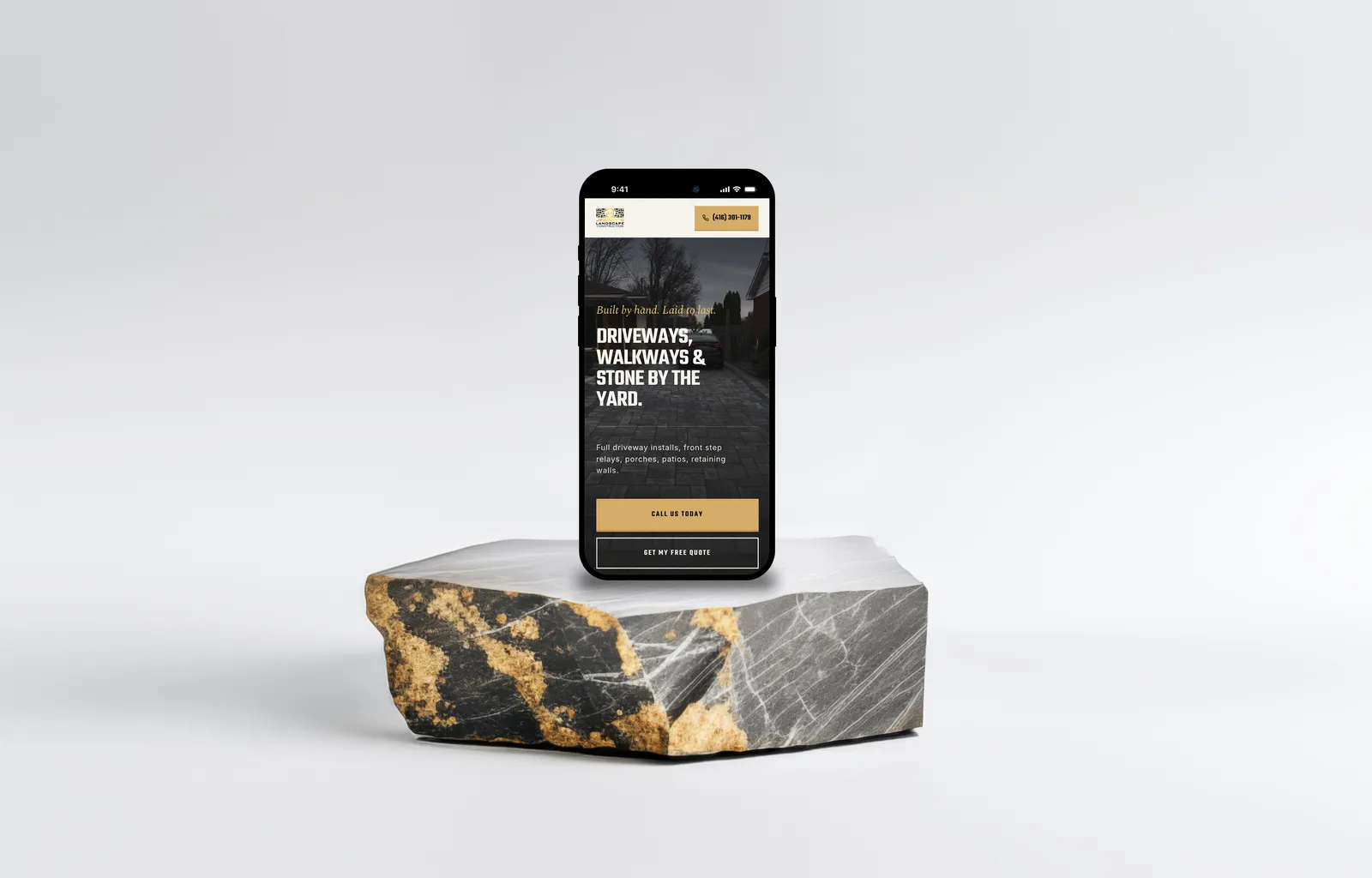
Landscaping is a visual purchase, and the design-build buyer shops with their eyes. So your project galleries, your before-and-afters, and your image SEO carry real weight, both for ranking and for closing.
Get My Site InspectionBut 79% of users skim a page rather than read it, so a wall of unlabeled photos that loads slowly does neither job.
And images are exactly what a slow site chokes on, which means the buyer scrolling your portfolio on a phone can leave before the proof ever finishes loading.
The map pack owns your maintenance search
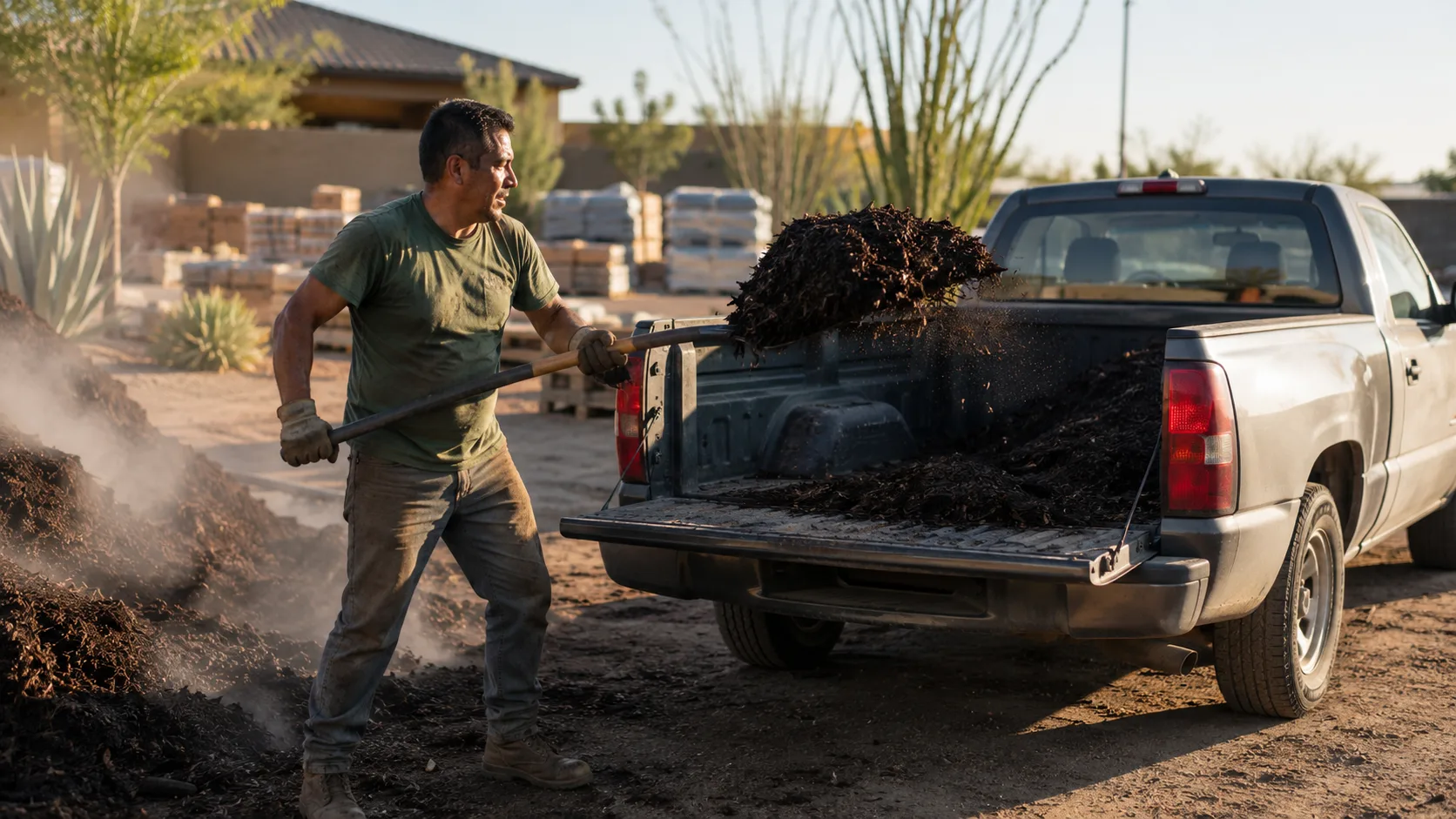
Most mowing and cleanup searches never leave Google's map pack. So your Google Business Profile, your review count and recency, and your service-area accuracy decide who the quick, recurring-revenue searches actually call. And this half of your business moves faster than organic rankings do, so it's usually where a slow start costs you first.
Get My Site Inspection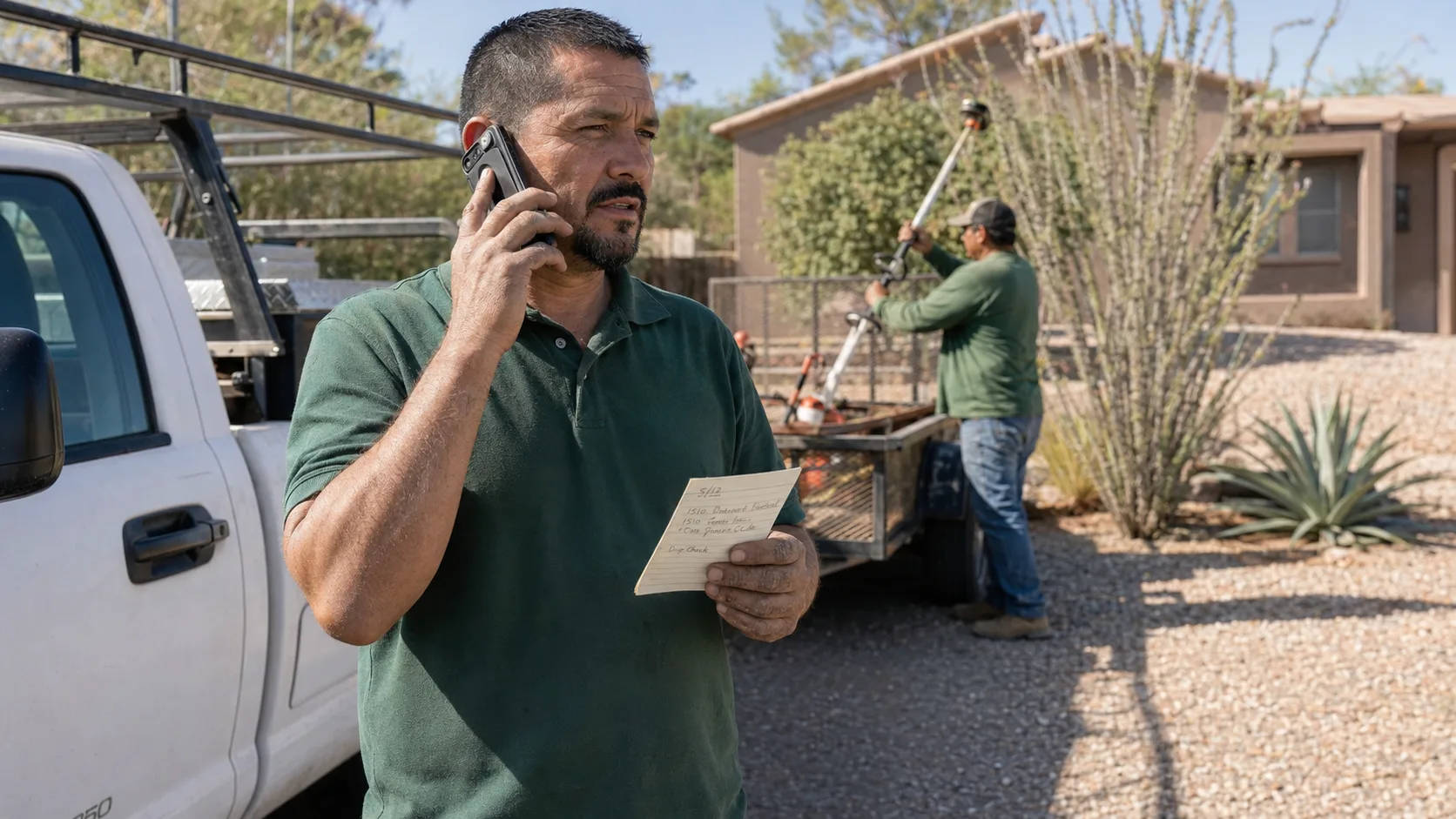
Put your proof in the first screen
The design-build buyer has one real question, can they trust you with the whole backyard. And 64% of homeowners say recommendations or references are a top-three factor in choosing a contractor. So your reviews, your real project photos, and a portfolio they can browse have to sit in the first screen, not three scrolls down where a skimming homeowner never reaches them.
Get My Site Inspection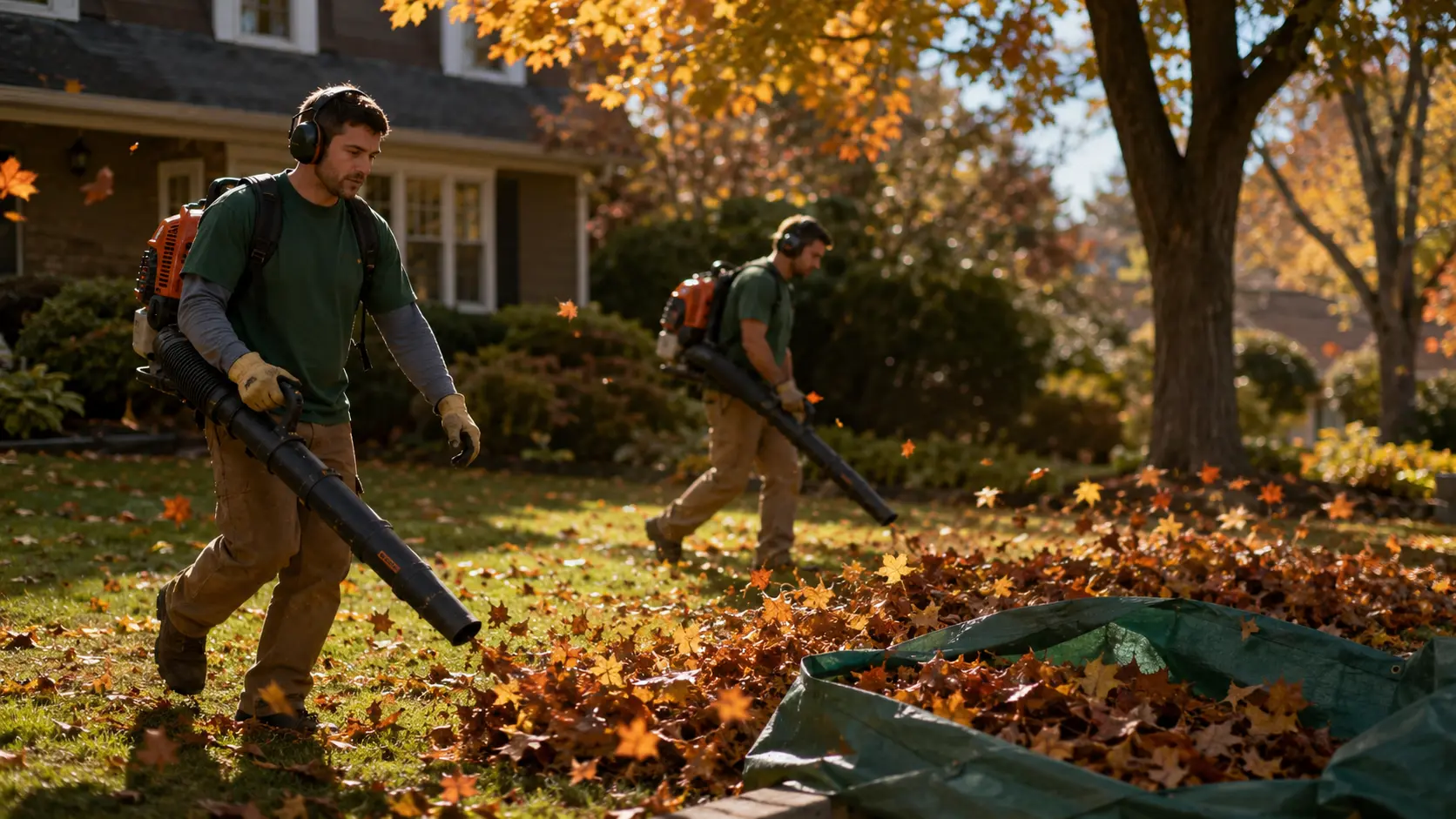
Seasonal pages that already rank before spring
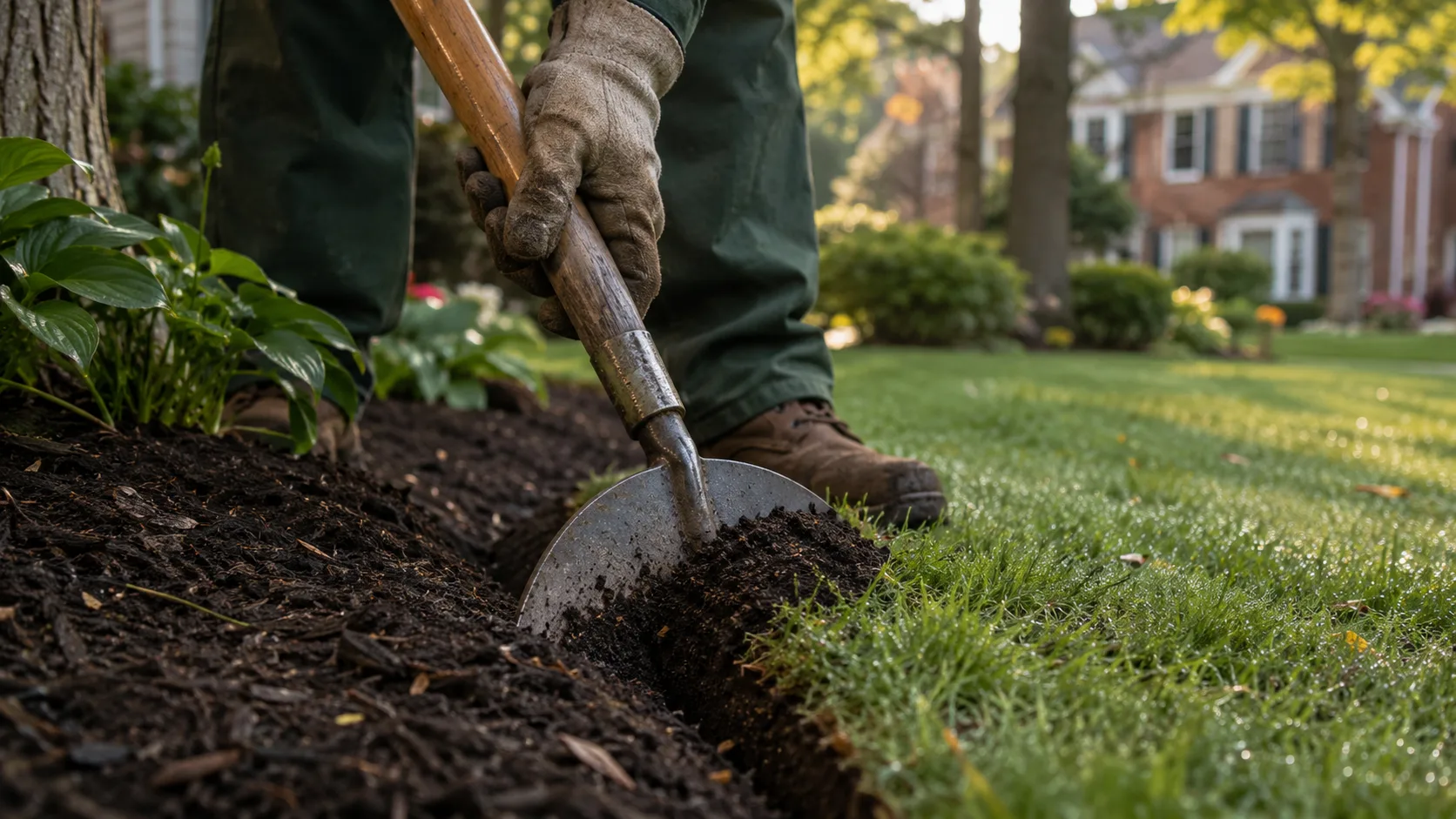
Spring cleanup pages should rank before the snow melts, not get built during the rush. And your patio and outdoor-living pages need their authority banked before the summer surge.
Get My Site InspectionThe landscapers who win seasonal search treat their maintenance and design-build service pages as permanent assets, kept current and internally linked, so the ranking is there the day demand spikes.
Because the whole year compresses into a few warm weeks, and that's exactly when a slow, buried site turns away the most work.
Questions Contractors Ask Before Hiring Us
What does landscaping SEO actually rank you for?
Both halves of your business. The quick local searches like landscaping near me, lawn maintenance, and spring cleanup that fill your recurring routes, and the higher-intent project searches like paver patio, outdoor kitchen, and landscape design that book your big jobs. The goal is to appear when a homeowner searches, often in the map pack for maintenance, on a page fast enough to hold a design-build buyer through your whole portfolio.
Why does site speed matter so much for a landscaping company?
Because your sales pitch is a gallery of heavy images, and a slow site is where those images go to die. Most contractor sites fail Google's mobile Core Web Vitals, and a design-build buyer scrolling your portfolio on a phone will leave before the proof loads. Compressing and optimizing your project images is often the fastest way to turn browsing traffic into booked consultations.
Is local SEO or organic SEO more important for landscaping?
It depends which half of your business you want to grow. Local SEO and your Google Business Profile capture the fast maintenance and cleanup searches that fill recurring routes. Organic and content SEO, backed by a strong portfolio, win the design-build buyer who researches for weeks before spending on a patio or full transformation. Most landscaping companies need both, but if you fix one thing first, fix whichever revenue stream you most want more of.
Still Have Questions?
Give us a call expressing your specific needs, and we’ll see if we are a good fit for each other.
From Our Landscaping Clients
Real reviews from the contractors whose sites we rebuilt.
Google's Local Pack ranking runs on review volume and how recent those reviews are. Contractors tend to under-collect reviews they've already earned, because asking after every job is easy to forget in a busy week. NiceJob sends the ask automatically once a job wraps, so new reviews keep flowing without you remembering. You can also set it up to ask your past clients for reviews. If your CRM already handles review requests, use that. Either way, it works better as a system than as a task on someone's to-do list.