0
contractor sites graded, one A
Across the whole CRO Index, a single site earned an A. The median landed at a D. The grade gap is a conversion gap.
Right now, someone in San Francisco is Googling "plumber near me." We get you showing up first — then turn that click into a booked job.
A written report and a ranked fix list, in about three days.
“Patient, on point, straightforward. Did amazing work. Would 100% recommend.” — Ruben Mederos, HyperTemp HVAC
“Responsive, creative, exceeded expectations. Already seeing greater engagement from our clients.” — George Jeorgy, Jeorgy's Landscape Construction
“Top-tier professionalism, real web design expertise, ideas I hadn't considered. Confidently recommend.” — Aws Nassani, Four Eleven Contracting



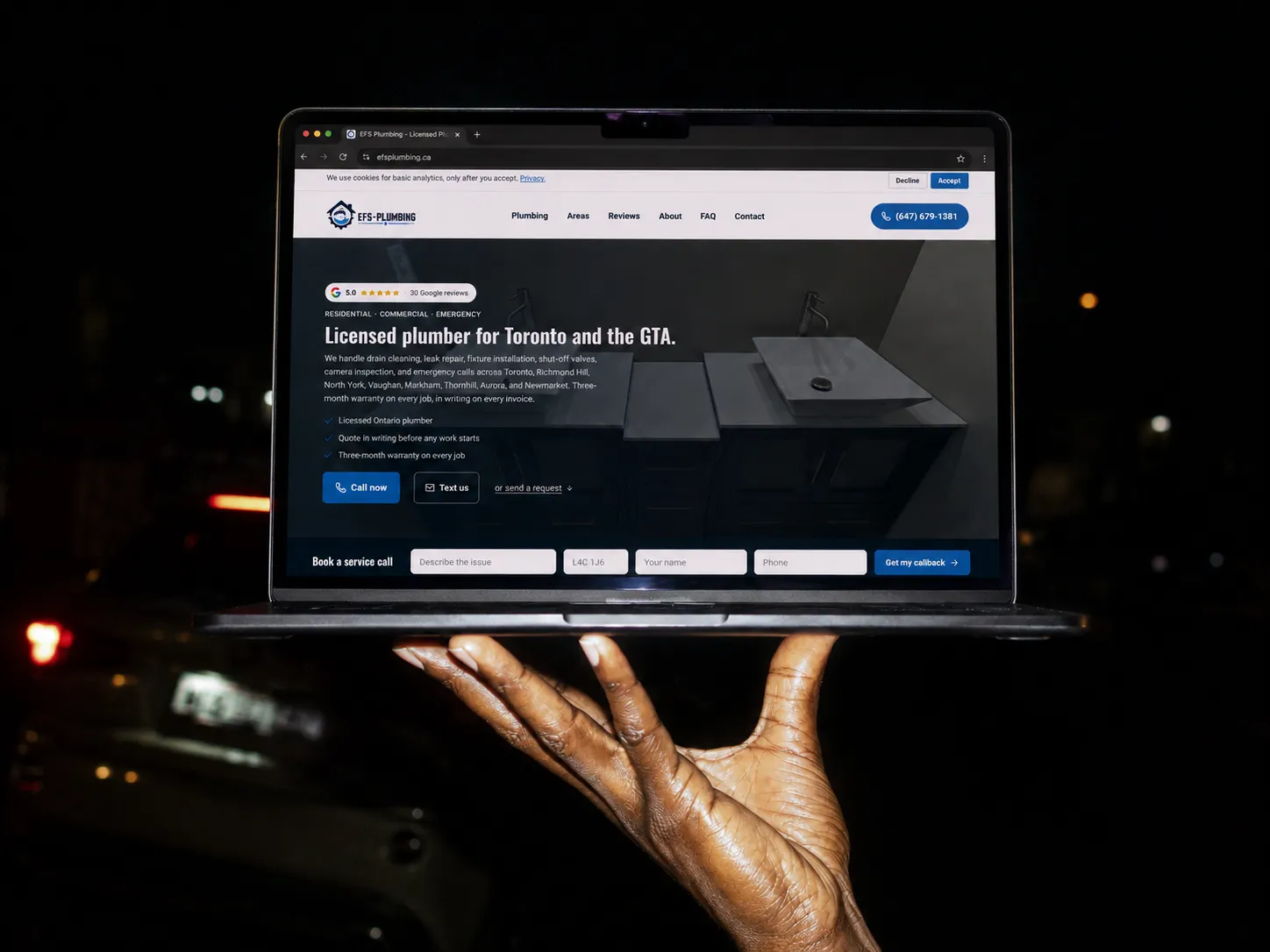
380 contractor sites graded on the public CRO Index
Fervor Contractor CRO Index 2026A grade out of 380 contractor sites
We graded 380 of them against one framework. Exactly one earned an A: Crown Industrial Roofing in Toronto, at 90 out of 100. The rest left money on the table. Here is what separates the top from the bottom.
The local detail
Every angle below comes from how San Francisco actually searches, buys, and regulates — built into the page, not bolted on.
Search engine optimization sounds like jargon, so strip it down to what happens on a phone screen.
Your Google Business Profile is the strongest asset you own, and plenty of plumbing shops treat it like an afterthought.
The map pack gets you the emergency click, but your website is what closes the homeowner who has a minute to compare.
This city hands you demand that flat suburbs never deal with, and a smart plumbing SEO agency builds pages around it instead of recycling a template.
You have probably been burned by an agency that sent a slick report full of impressions and rankings while your phone stayed quiet.
The best work stays tuned to your real jobs and your real city rather than chasing volume for its own sake.
You run a plumbing shop somewhere across this city, maybe out of a yard near Bayview or a unit close to the Mission, and the calls used to come from neighbours and repeat customers. That well is running thin. So you start asking what plumbing SEO in San Francisco does for a shop like yours, because a competitor you have never heard of keeps showing up first when you search your own services. And the honest answer is simple. Good local visibility puts your shop in front of a homeowner in Noe Valley at the second their water heater quits and they reach for their phone. The right plumbing SEO company San Francisco owners hire builds that visibility into something you can count in booked jobs.
Search engine optimization sounds like jargon, so strip it down to what happens on a phone screen. When somebody in Pacific Heights types "plumber near me" at 9pm because a supply line behind the wall let go, Google decides in milliseconds which three shops sit in the map pack. Your spot in that decision is the whole conversation.
The city makes that harder than most markets. It packs distinct neighbourhoods into seven square miles, and a homeowner in the Sunset and one in SoMa live in different worlds even when you serve both. So your visibility has to work block by block, not as one flat citywide label.
And the housing stock is genuinely old. Plenty of Victorian and Edwardian homes still run original galvanized supply lines and cast-iron drains that are corroding through from the inside. When those fail, the homeowner is not browsing for a week. They want a plumber now, and they pick from whoever Google puts in front of them.
That urgency is your opening. Because the shop that ranks catches the call before your phone would have rung at all.

"Among homeowners who made improvements, 32% upgraded their water heaters, dishwashers, or garbage disposals." - U.S. Census Bureau and U.S. Department of Housing and Urban Development (2024)
That number tells you something useful. Roughly a third of improvement spending touches the exact systems you service, so the searches are happening. The question is whether your profile is built to catch them.
Your Google Business Profile is the strongest asset you own, and plenty of plumbing shops treat it like an afterthought. It feeds the map pack directly. So before anyone touches your website, the profile gets handled first.
That means accurate service categories, real service-area boundaries that name the neighbourhoods you cover, photos of actual jobs, and a steady flow of reviews. Reviews carry more weight here than almost anywhere, because a homeowner here scrolling three plumbers will pick the one with 200 reviews over the one with 11 nearly every time.
Your primary category should match your money work, and your secondary categories layer in drain cleaning, water heaters, and repiping. Vague categories bury you under shops that named theirs precisely.
A steady drip of reviews beats a single burst, so you want a quiet system that asks every satisfied customer at the right moment. And the review text matters too, because a homeowner who mentions a "sewer lateral in Noe Valley" hands Google the local relevance you were chasing.
"Mechanical sentiment contributed to a Current Conditions Index of 71 in 2025" - National Association of Home Builders (2026)
So demand for your work is steady, which means the contest is visibility rather than market size. A profile tuned to the neighbourhoods you serve is how you claim your share of it.
The map pack gets you the emergency click, but your website is what closes the homeowner who has a minute to compare. And that is where plumbing SEO services San Francisco shops invest in start paying for themselves. Each page should answer one real problem in the words a homeowner uses when they search.
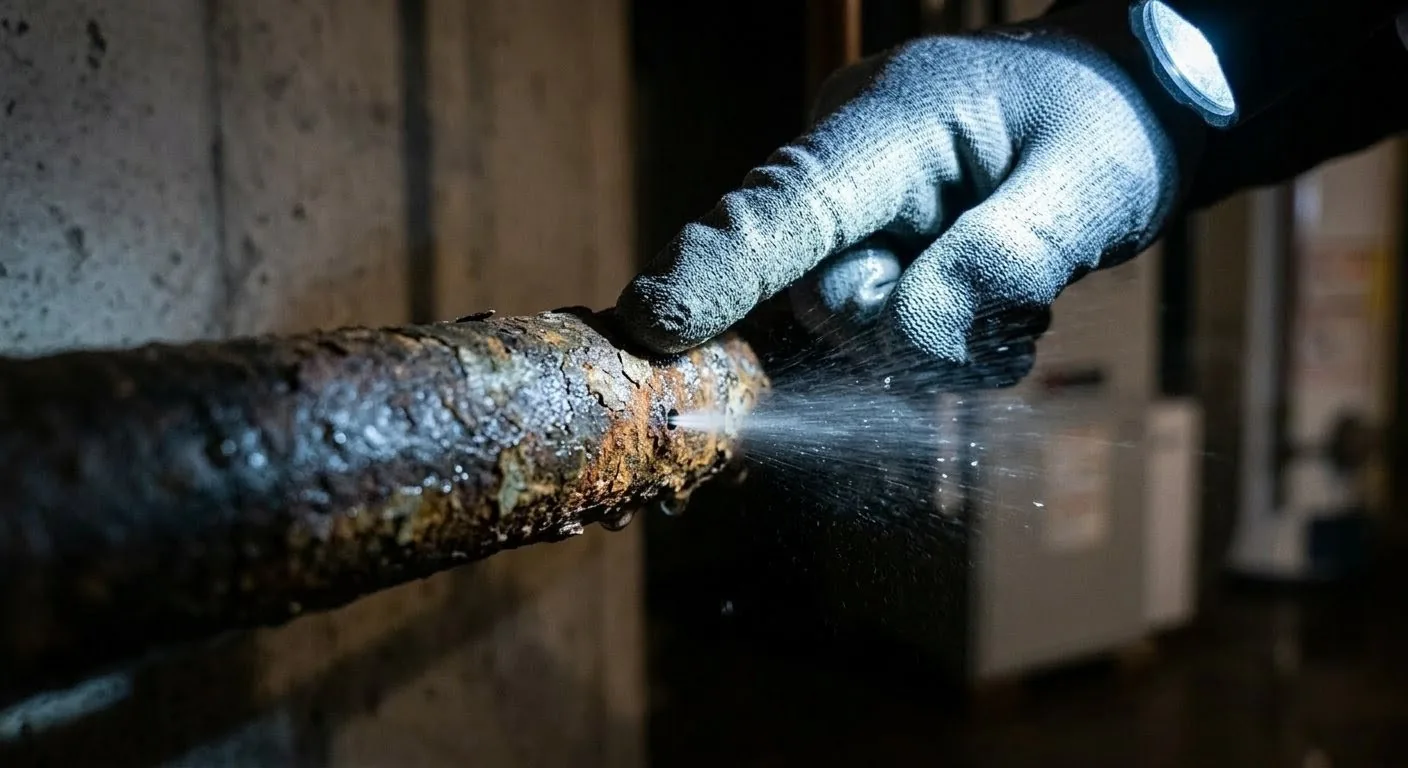
A homeowner searching "sewer lateral inspection San Francisco" wants a different page than one searching "tankless water heater install." When you build a page per problem, Google has a clear match to rank, and the homeowner lands somewhere that speaks to their exact issue.
A page that names the Mission, SoMa, and the Sunset, with real detail about the housing in each, outranks a generic citywide page. So your Sunset page can speak to stucco rowhouses and their original drains, while your Pacific Heights page can speak to larger Edwardian homes and full repipes.
The city ties a sewer-lateral inspection to many property sales, which sends a very specific search your way that plumbers in most cities never see. A homeowner under contract needs that compliance work fast, and they are not price-shopping. So a clear page on the city's lateral requirement, with the practical steps, catches a high-intent visitor your competitors are ignoring.
"The median homeowner spending on plumbing fixtures upgrades was about $800 (2021 to 2023 data)." - U.S. Census Bureau and U.S. Department of Housing and Urban Development (2024)
So you can see the spread of job values right there. An $800 fixture swap is fine, but the repipe and the lateral replacement are where the real money sits, and those are the searches worth ranking for.
This city hands you demand that flat suburbs never deal with, and a smart plumbing SEO agency builds pages around it instead of recycling a template. Earthquake-stressed pipes, drought-era retrofits, and an old housing stock all turn into search volume you can claim.
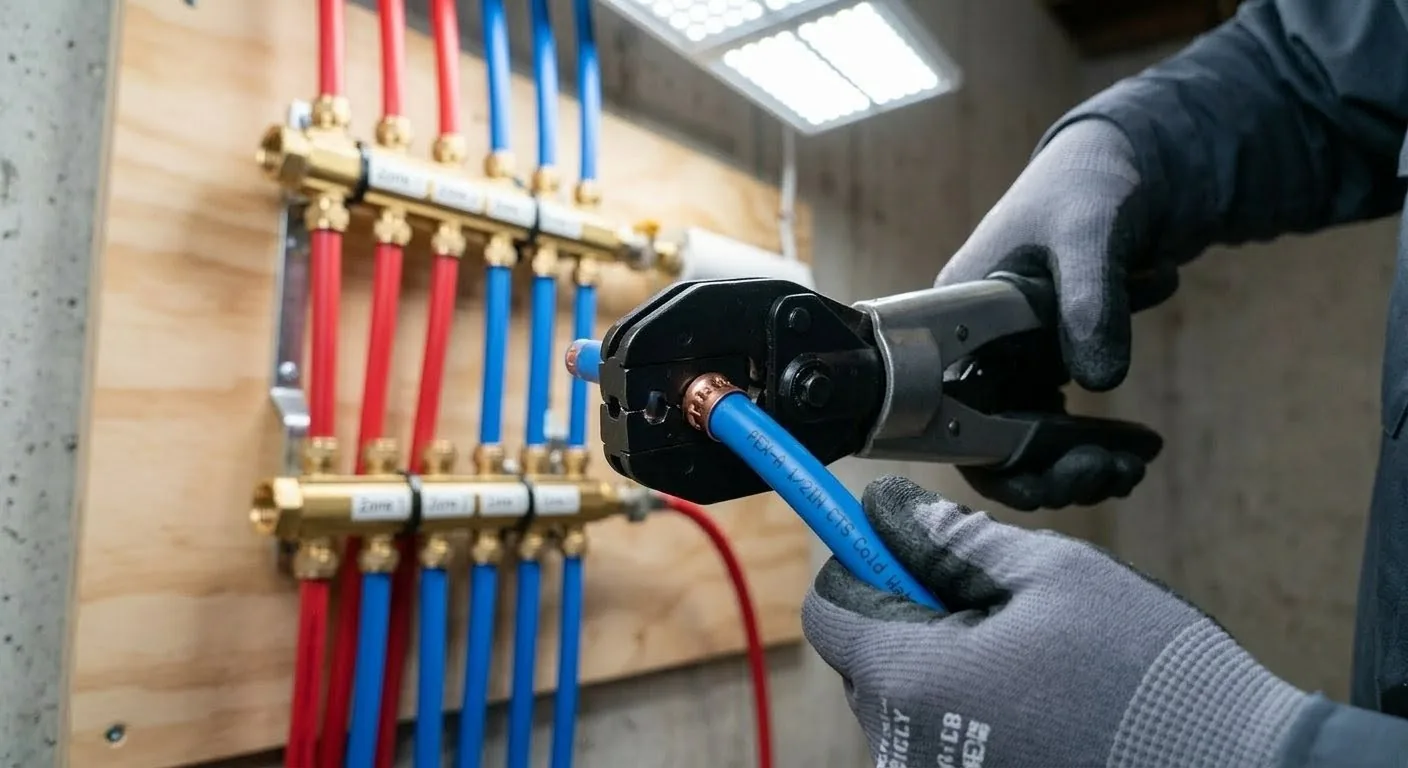
San Francisco sits on active faults, and ground movement stresses pipes in ways most markets never face. A foundation shifts a fraction of an inch and a copper line under the slab develops a pinhole leak months later. So "slab leak detection" and "earthquake pipe damage" are searches your competitors in Sacramento or Reno simply do not have, and the homeowner running them is anxious and ready to call.
Original galvanized supply lines corrode shut and cast-iron drains crack with age, and both are everywhere in the city's older homes. So a page that walks a homeowner through a galvanized-to-PEX or copper repipe, with honest detail, ranks because it answers the question a worried homeowner is typing.
Most homes here still run gas water heaters, which opens a clear conversation about electric and tankless options as homeowners weigh efficiency.
"In U.S. single-family homes (2020), 40% of main water heaters were fueled by natural gas and 31% by electricity." - U.S. Energy Information Administration (EIA) (2020)
So the searches for fuel-switching are climbing, and a page that explains the tradeoffs in plain terms catches them.
"Only 5.8% of U.S. single-family homes had tankless water heaters in 2020." - U.S. Energy Information Administration (EIA) (2020)
So tankless adoption is still low, which means a homeowner researching it is early in the decision and open to the shop that educates them well.
You have probably been burned by an agency that sent a slick report full of impressions and rankings while your phone stayed quiet. So the measure that matters is booked jobs, and any plumbing SEO work worth paying for ties back to that number. And the math is not complicated.

Your average job might run $600 while a repipe runs closer to $9,000. If a tuned site and profile bring you ten extra calls a month and you close half, the value is obvious against what the work costs. So the reporting should track calls and forms, not vanity metrics, and you should see exactly which San Francisco neighbourhoods are sending the work.
"Mechanical equipment remains difficult to source for remodelers in 2025" - National Association of Home Builders (2025)
So when equipment lead times stretch, the shops that stay visible capture the jobs that do close. And the broader market is holding steady rather than collapsing, which means the demand you are ranking for is durable.
"1.9% easing of mechanical renovation growth projected for Q3 2026" - Harvard Joint Center for Housing Studies (2025)
So even with growth easing slightly, the work is there for the shop that homeowners can find. And here is what good versus weak work looks like side by side.
| What you get | Weak SEO work | The right SEO work |
|---|---|---|
| Reporting | Impressions and rankings | Calls and booked jobs by neighbourhood |
| Pages | One generic citywide page | A page per problem and per area |
| Profile | Set once and ignored | Tuned monthly with reviews and photos |
| Ownership | Agency keeps the assets | You own the site, content, and accounts |
And ownership is where plenty of contractors get trapped. The right partner builds everything in your name, so the site, the content, and the Google accounts stay yours if you ever walk.
The best work stays tuned to your real jobs and your real city rather than chasing volume for its own sake. So the work that wins ties every page to a problem you really fix and a neighbourhood you genuinely serve, then proves itself in calls.
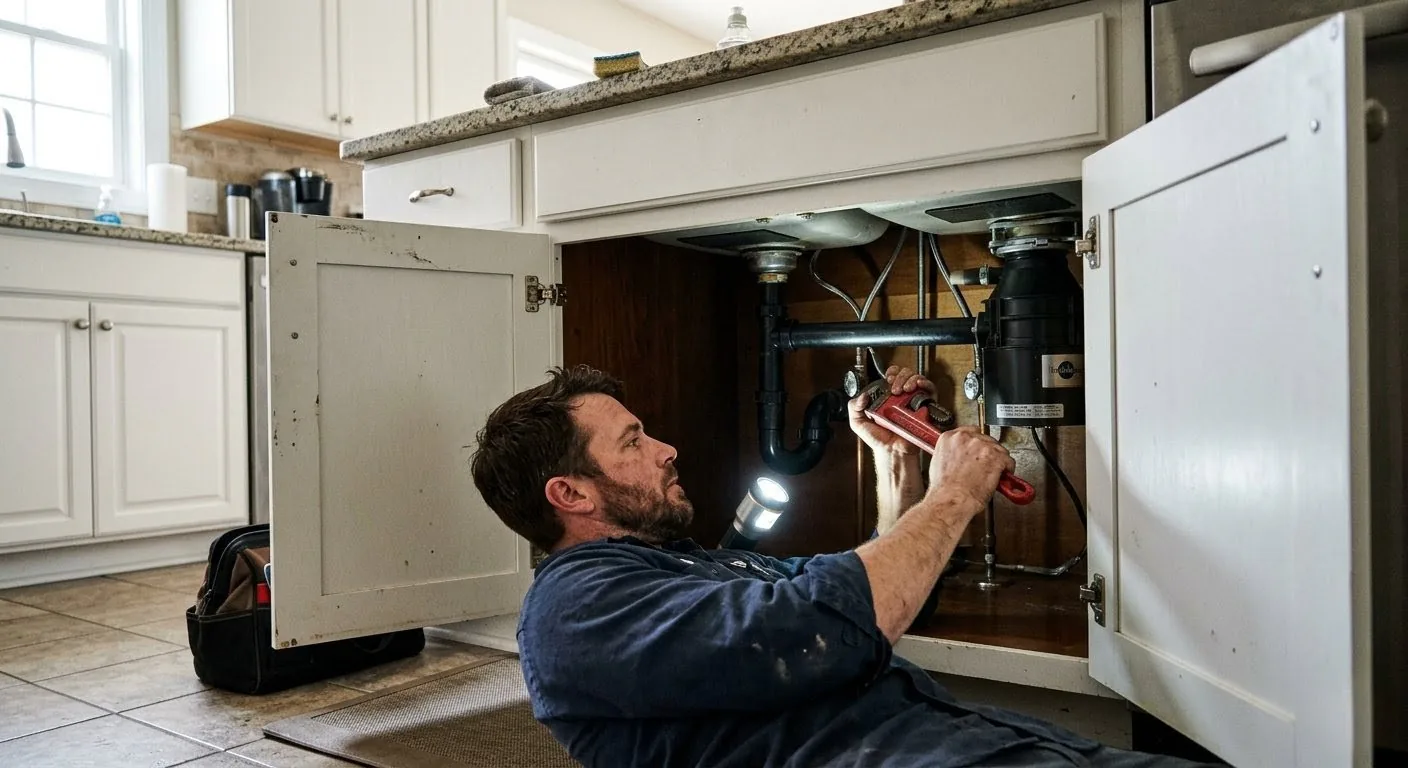
Your pages should map to the work that pays, whether that is emergency drain clearing, a full repipe, or a lateral replacement, because those are the searches with money behind them.
A shop that names the Mission, the Sunset, Noe Valley, and reaches into East Bay markets like Oakland and Berkeley shows Google a real service footprint. So your visibility holds up across the whole area instead of fading a few blocks from a downtown address.
You keep the domain, the content, and the accounts, which means the equity you build compounds for your shop rather than the agency's.
"Mechanical system retrofits part of the $149B housing deficiency market" - Harvard Joint Center for Housing Studies (2025)
So the underlying demand is enormous, and a system tuned to San Francisco is how you turn a slice of it into steady work. If you want to see where your current site is leaking calls before committing to anything, start with a free Site Inspection. It shows you where homeowners drop off, and the Lead Leak Calculator will ballpark the revenue you are losing to weak visibility. For the bigger picture, the plumbing web design guide covers the site itself, and the local SEO for plumbers guide goes deep on the map pack mechanics behind everything above.
Most shops see early movement in the map pack within a few months once the profile and pages are tuned, though competitive neighbourhoods take longer. And the timeline depends on how old your site is and how many reviews you already carry, so a shop starting from a clean profile moves faster than one untangling years of neglect.
Yes, because the density that makes it competitive also concentrates the demand. A homeowner near Pacific Heights compares three plumbers in under a minute, and the one ranking in the map pack with strong reviews gets the call. So the contest is visibility, and that is winnable with the right system.
The housing stock and the code reality. You are ranking for galvanized repipes, cast-iron drain failures, earthquake-related slab leaks, and the city's sewer-lateral inspection tied to home sales, and those searches barely exist in newer markets.
You should, and any partner worth hiring builds everything in your name. So the domain, the content, and your Google Business Profile stay yours, and the visibility you build keeps working for your shop no matter who you work with later.
The evidence
 Read the full report →
 0
contractor sites graded, one A
Across the whole CRO Index, a single site earned an A. The median landed at a D. The grade gap is a conversion gap.
0
contractor sites across the State of the Industry research
Roofing, remodeling, and HVAC, scored page by page against one framework.
Two ways to start
Tell us where you are. We point you at the right next step — no sales call to get there.
Client review
“Nay did an amazing job, you know. He was really patient. He got the work done the way I told him and he was just on point with the website. Pretty straightforward process. No going around the bush. He just did amazing work and I would 100% recommend.”
How Fervor can help
Monthly SEO, content, and CRO. Fixed deliverables. No credits, no rollover. The compound growth engine.
Complete website system built to convert storm leads, planned projects, and research-phase homeowners into booked jobs.
Identify and patch the top conversion killers on your existing site. No full rebuild needed.
GBP optimization, citation building, and review system foundation. The infrastructure that gets you into the Map Pack.
One conversion-built landing page for the referrals, paid clicks, and cold-call leads you send. They land on a page built to book them, not your generic homepage.
Your move
Tell us where you are. We point you at the right next step — no sales call to get there.
Keep going