0
contractor sites graded, one A
Across the whole CRO Index, a single site earned an A. The median landed at a D. The grade gap is a conversion gap.
You're getting clicks in Oklahoma City. They're just not calling. We rebuild your site around the one job that matters: turning a visitor into a booked job.
Starts with a Site Inspection, so you see the plan before any build begins.
“Patient, on point, straightforward. Did amazing work. Would 100% recommend.” — Ruben Mederos, HyperTemp HVAC
“Responsive, creative, exceeded expectations. Already seeing greater engagement from our clients.” — George Jeorgy, Jeorgy's Landscape Construction
“Top-tier professionalism, real web design expertise, ideas I hadn't considered. Confidently recommend.” — Aws Nassani, Four Eleven Contracting



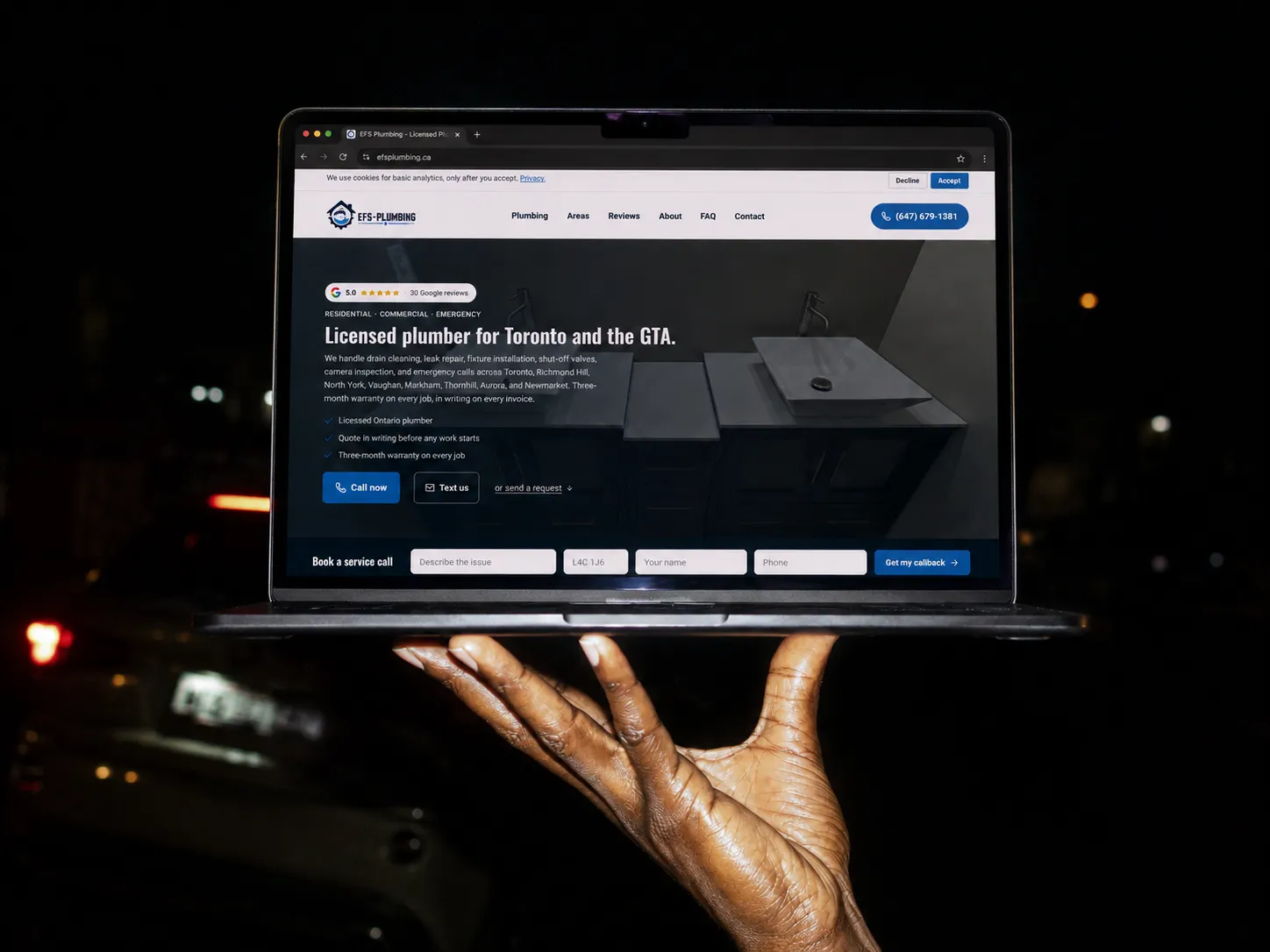
380 contractor sites graded on the public CRO Index
Fervor Contractor CRO Index 2026A grade out of 380 contractor sites
We graded 380 of them against one framework. Exactly one earned an A: Crown Industrial Roofing in Toronto, at 90 out of 100. The rest left money on the table. Here is what separates the top from the bottom.
The local detail
Every angle below comes from how Oklahoma City actually searches, buys, and regulates — built into the page, not bolted on.
The decision happens on a phone, in about forty seconds, and almost never on a desktop.
And then there is the freeze that nobody who lived through it has forgotten.
So you are weighing agencies, and you are right to be picky.
And this is where most contractors get burned.
This metro keeps spreading out, and that sprawl changes how your site is built.
And timing matters more than most owners assume.
You run a real shop in this metro. Four to ten people, a couple of trucks, a calendar that gets ugly the first cold week of January and thins out by late August. And somewhere across those swings you have noticed the same shift every owner notices, because the homeowner who used to call your cousin's neighbour now pulls out a phone, opens Google, and books whoever loads first. So this page is about plumbing web design Oklahoma City, the website work itself, and it is written for the owner who is tired of paying a marketing retainer for a site that still does not ring. We will walk through what a metro homeowner really does on a phone at six in the morning when a pipe has burst, why the red clay under your service area changes which pages matter, and how the trust signals stacked above your booking button decide whether a stranger taps your number or scrolls past.
The decision happens on a phone, in about forty seconds, and almost never on a desktop. A homeowner in Edmond hears the ceiling drip and grabs the nearest device, which is the phone on the nightstand. So your home page is loading on a five inch screen, on cellular data, in a darkened hallway, and the visitor is already half panicked. And the site that earns the call is the one that loads inside two seconds, shows a real photo of your crew, and puts a tap to call button at thumb height before the visitor scrolls at all.
You can feel this any time you watch a real homeowner test a competitor site. They land, they wait, they scroll past a hero slider that drags the page weight past a megabyte, and they bounce. Because the metro has dozens of trade companies fighting for the same panicked tap, and the slower site loses the call before its menu even renders. So the local build lives or dies on page speed, button placement, and the very first message above the fold, rather than the colour palette or the slogan in the footer.
"Among homeowners who made improvements, 32% upgraded their water heaters, dishwashers, or garbage disposals." - U.S. Census Bureau and U.S. Department of Housing and Urban Development (2024)
Nearly a third of improving homeowners touch the exact gear you install, and the ticket on a water heater or disposal swap clears a basic service call several times over. So a contractor site here that buries water heater service three menus deep is leaving the highest value job in the metro to a competitor with a flatter layout. And flat, single tap navigation matters more in this trade than in almost any other home service category.

And then there is the freeze that nobody who lived through it has forgotten. February 2021 dropped the whole state below zero for days, and supply lines burst across the metro in homes that had gone decades without incident. The sites that booked the most jobs that week were not the prettiest. They were the ones whose emergency banner showed a real twenty four hour phone number at the top of every page, whose service area covered Edmond, Norman, Moore, Yukon, and Mustang in plain text, and whose burst pipe service page already existed and was indexed before the storm hit.
So a real local build holds an emergency state in reserve. When the forecast turns, you flip a banner that says you are answering after hours, you confirm the corridors you are covering, and you push the click to call button to the top of the screen. Because a homeowner watching water cascade down a hallway is not reading your service philosophy, and they are not comparing five quotes. They are tapping the first phone number on a site whose name they can remember. And the site whose load time stays under two seconds during a regional spike is the one that holds up while a competitor's server times out.
Tornado and severe storm season layers on top of that risk. Spring storms in this part of the state shear roofs, shift slab foundations on red clay, and send a second wave of supply line and water heater searches across the metro. So your website carries two emergency peaks a year, and a thoughtful build holds the messaging, the routing, and the booking flow steady through both.
"Mechanical system retrofits part of the $149B housing deficiency market." - Harvard Joint Center for Housing Studies (2025)
That deficiency figure is the backdrop your repair calendar lives inside. So a large share of aging housing across the country needs mechanical and trade retrofit work, and a metro this old carries more than its share. And the website that turns demand into booked jobs is the one whose service pages match how a local homeowner really searches when something fails.
So you are weighing agencies, and you are right to be picky. The plumbing web design services Oklahoma City owners should sign for look unremarkable on the surface and ruthless underneath. They open with a real audit of how your current site loads on a midrange Android phone over the metro's actual cellular speeds, because the iPhone on agency Wi Fi tells you nothing about the homeowner reading from a kitchen with a slab leak under it.
A solid build covers a handful of things before any mockup gets shown. The home page hero has to render in under two seconds on a phone, with one real call to action above the fold, and a tap to call button stuck to the bottom of the screen on every other page. Your services menu lists slab leak detection, water heater replacement, sewer line repair, repiping, and drain cleaning as individual indexed pages, each written for the search that brings it. Your trust strip surfaces real review counts, your master plumber license, your truck photos, and your service area drawn around your real corridors, rather than stock badges and a clip art map. And the booking flow asks the smallest possible number of questions, because every extra field on a phone form costs you a percentage of the booked jobs that should have closed.
That last one is the field most metro shops underrate. A booking form with seven fields converts at a fraction of one with three, and on a phone it is worse still. So a partner you can trust pushes the booking experience down to name, phone, address, and a one line description of the problem, and routes everything else to the call you take afterwards. Because the website is there to start the conversation, and not to qualify the lead before you ever pick up.

And this is where most contractors get burned. The build partner you can trust talks in booked jobs, the kind your dispatcher writes onto a calendar. You do not care whether the homepage scored a ninety on some lighthouse metric in a vacuum. You care whether the phone rang, whether the caller had a slab leak or a clogged main, and whether the trip closed. So the right partner reports on call volume, form fills, and the dollar value that ties back to each.
The arithmetic behind a real website rebuild is simple. Your average service ticket runs in the low hundreds, and a strong repipe or tankless install clears a few thousand. So if a faster, clearer site turns ten extra phone calls a month into six booked jobs, and three of those are mid ticket repairs, the build pays for itself well inside a quarter. That is the napkin math any partner should run with you up front, in plain numbers, with no dashboards needed.
"The median homeowner spending on plumbing fixtures upgrades was about $800 (2021 to 2023 data)." - U.S. Census Bureau and U.S. Department of Housing and Urban Development (2024)
That eight hundred dollar median is a typical fixture job, and the metro's hard water moves homeowners toward it faster than soft water markets see. The supply here is mineral heavy, so fixtures, anodes, and water heater elements wear out sooner, and the upgrade conversation comes up constantly. And the website whose fixture and water heater pages explain hard water damage in plain homeowner language is the one that earns those quotes. You can read how we frame those service pages on our plumbing SEO breakdown.

This metro keeps spreading out, and that sprawl changes how your site is built. The footprint is huge, and corridors like Edmond, Norman, Moore, Yukon, Mustang, and Nichols Hills each search and buy differently. So a flat layout that only names the city leaves most of your territory invisible, because the homeowner in Norman is not searching for a downtown shop, and the homeowner in Nichols Hills is not searching the same job as one off Western Avenue.
The strongest metro trade site treats each growth corridor as its own page. So an Edmond water heater page, with real local references and your service area boundaries drawn in, earns calls from those homeowners in a way one metro wide page never can. And as newer subdivisions around Moore and Yukon age past their original builder warranties, the repipe and fixture work that follows becomes a steady stream you can plan trucks around. Because the new construction in Cleveland County today is your repair calendar fifteen years out, and your site should be ready for it.
Older stock writes its own page list. So the Plaza District and inner city OKC running galvanized and cast iron crack and back up in ways the suburbs do not, and a sewer line service page tuned to that older housing answers a search a flat home page never will. And a slab leak page that names red clay soil, freeze burst risk, and the corridors you really serve reads as written by someone who knows the area, rather than someone who templated the copy from a Dallas site.
"In U.S. single-family homes (2020), 40% of main water heaters were fueled by natural gas and 31% by electricity." - U.S. Energy Information Administration (EIA) (2020)
Oklahoma leans gas, given the state's energy mix, so a large share of your highest value water heater work lives in gas swaps and the conversations around them. A homeowner in Yukon weighing whether to stay with gas or move to a heat pump unit needs a page that walks both options in plain words. And the site that gets there first earns the appointment, because the upgrade is rare enough that the demand is still wide open.
"Only 5.8% of U.S. single-family homes had tankless water heaters in 2020." - U.S. Energy Information Administration (EIA) (2020)
Tankless adoption sits low across the country, which tells you the ceiling on that upsell is still high. So a metro trade site with a strong tankless page captures jobs most competitors are not even bidding on. You can see how we approach the ranking side of those same pages on our local SEO for plumbers page.
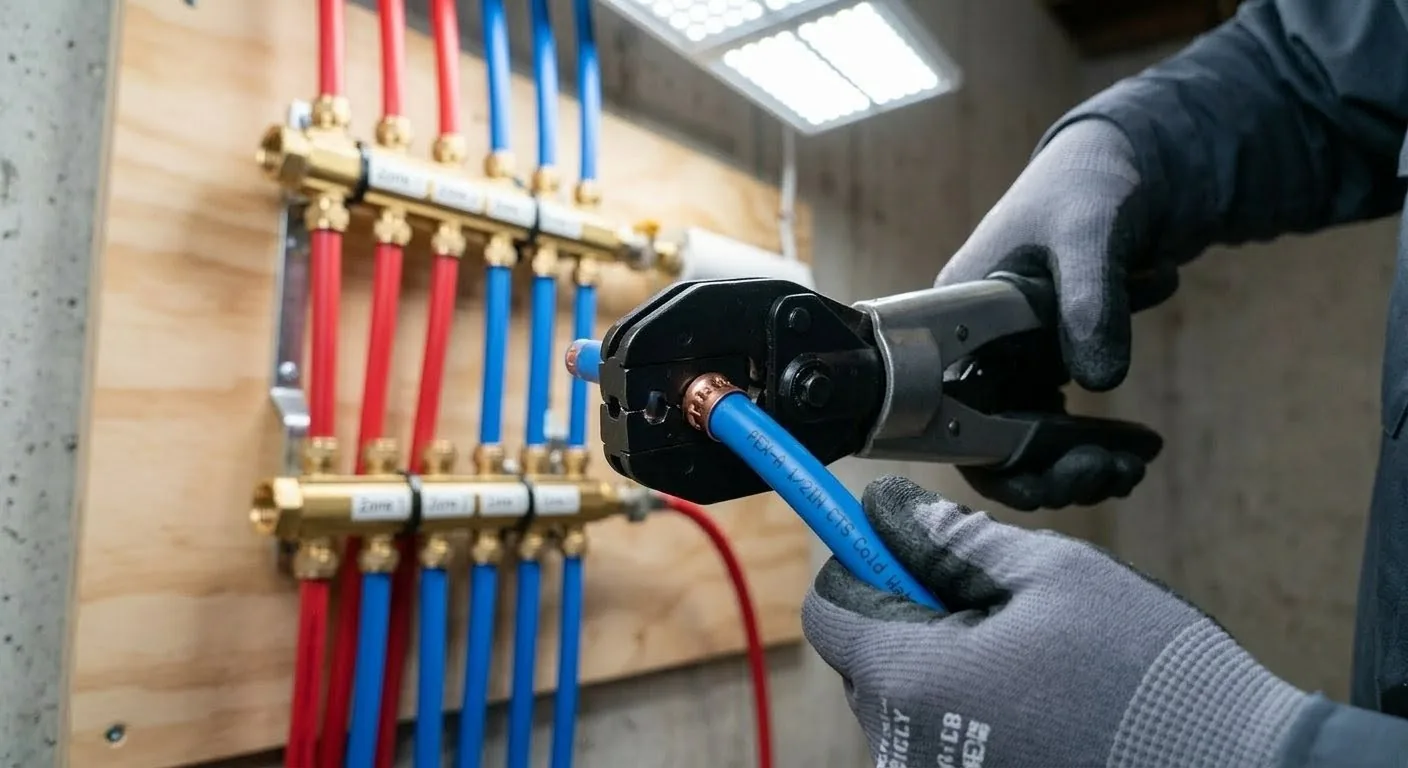
And timing matters more than most owners assume. The remodeling and mechanical market sets the backdrop for how busy your repair calendar runs, and the national signals shape what homeowners are willing to spend on the bigger jobs. So reading those signals helps you decide when to invest in a rebuild, and when to harvest the calendar it produces.
"Mechanical sentiment contributed to a Current Conditions Index of 71 in 2025." - National Association of Home Builders (2026)
A reading of seventy one points to remodelers still feeling steady demand, and mechanical trades like yours ride that sentiment closely. So homeowner appetite for repipes, tankless installs, and bathroom remodel rough ins holds up even as the headlines wobble. And steady demand is exactly when a faster, clearer site compounds in your favour, because every extra month you hold the booking advantage shows up on the year end revenue line.
"Mechanical equipment remains difficult to source for remodelers in 2025." - National Association of Home Builders (2025)
Supply constraints on mechanical equipment mean the trades who book the job early win the install, because the homeowner who waits gets stuck behind a backorder. So the site that surfaces first, states availability plainly, and lets the homeowner self book a window turns a panicked search into a scheduled job before the competitor returns the call.
"1.9% easing of mechanical renovation growth projected for Q3 2026." - Harvard Joint Center for Housing Studies (2025)
That slight easing reads as a planning cue for the year ahead. So you invest in a stronger build now, while competition for the homeowner's tap is softer, and you hold those bookings into the leaner stretch. Because the shop that owns the late night call going into a slowdown keeps trucks moving while others wait on a paid ad budget. For the broader picture of how the site ties into the rest of the marketing system, our contractor marketing hub lays out the full setup.
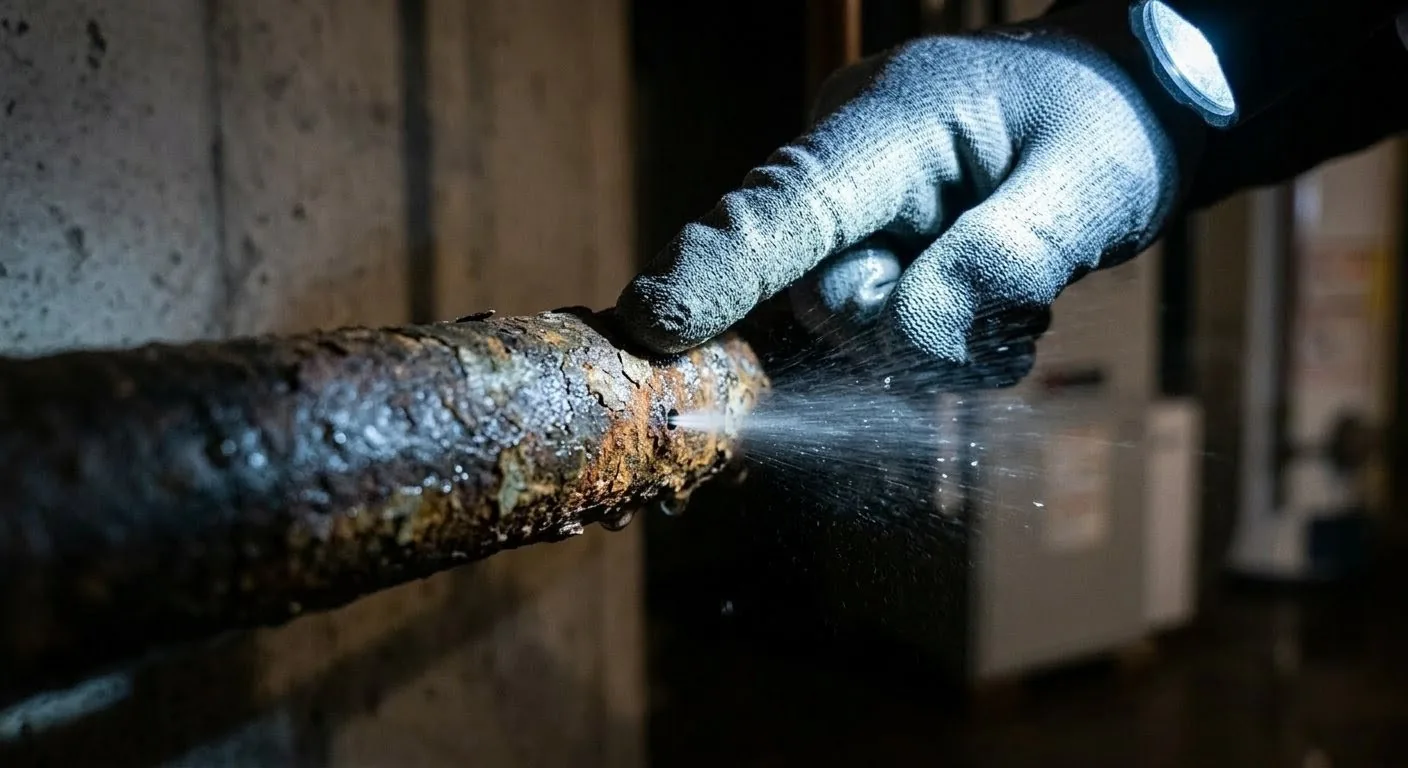
You will usually see the first lift on phone call volume inside the opening sixty days, because page speed and a fixed click to call button move the needle faster than any other change a rebuild makes. Deeper improvements on form fills and repeat bookings take longer, often three to five months, since trust signals like fresh review counts and indexed service pages need time to season. So a straight answer sounds like a range, and not a promise of overnight wins.
Yes, for the corridors where you want more work. A homeowner in Edmond trusts a page that names Edmond and the local water heater issues that come with the area far more than a generic metro page. So you build dedicated pages for your priority submarkets, places like Norman, Moore, Yukon, and Nichols Hills, rather than diluting one thin page across the whole region.
Ads buy the click for as long as you keep paying, and the moment the budget stops, so does the booking flow. A real website keeps converting after the spend, and the trust signals you stack on it carry the booking when the ad is gone. So plenty of metro shops run both, with paid ads for instant freeze season volume and a stronger site for the calls that compound month over month.
Walk from anyone promising "guaranteed leads" from a website, locking you into a long contract for hosting and edits, or refusing to let you own your domain, your CMS, and your booking integrations. Those are the exact traps that burned the last contractor who signed too fast. So you insist on plain reporting tied to booked jobs, full asset ownership, and no lock in before you sign anything.
Yes, when the build strips the heavy hero slider, defers the third party scripts, and serves images in modern formats. A typical metro trade site we audit loads in five to seven seconds on a midrange Android phone over cellular, and the rebuild routinely lands under two. So the freeze morning homeowner who would have bounced from the old layout stays on the new one long enough to tap the call button.
The evidence
 Read the full report →
 0
contractor sites graded, one A
Across the whole CRO Index, a single site earned an A. The median landed at a D. The grade gap is a conversion gap.
0
contractor sites across the State of the Industry research
Roofing, remodeling, and HVAC, scored page by page against one framework.
Two ways to start
Tell us where you are. We point you at the right next step — no sales call to get there.
Client review
“Nay did an amazing job, you know. He was really patient. He got the work done the way I told him and he was just on point with the website. Pretty straightforward process. No going around the bush. He just did amazing work and I would 100% recommend.”
How Fervor can help
Complete website system built to convert storm leads, planned projects, and research-phase homeowners into booked jobs.
Identify and patch the top conversion killers on your existing site. No full rebuild needed.
Monthly SEO, content, and CRO. Fixed deliverables. No credits, no rollover. The compound growth engine.
GBP optimization, citation building, and review system foundation. The infrastructure that gets you into the Map Pack.
One conversion-built landing page for the referrals, paid clicks, and cold-call leads you send. They land on a page built to book them, not your generic homepage.
Your move
Tell us where you are. We point you at the right next step — no sales call to get there.
Keep going