0
contractor sites graded, one A
Across the whole CRO Index, a single site earned an A. The median landed at a D. The grade gap is a conversion gap.
You're getting clicks in Las Vegas. They're just not calling. We rebuild your site around the one job that matters: turning a visitor into a booked job.
Starts with a Site Inspection, so you see the plan before any build begins.
“Patient, on point, straightforward. Did amazing work. Would 100% recommend.” — Ruben Mederos, HyperTemp HVAC
“Responsive, creative, exceeded expectations. Already seeing greater engagement from our clients.” — George Jeorgy, Jeorgy's Landscape Construction
“Top-tier professionalism, real web design expertise, ideas I hadn't considered. Confidently recommend.” — Aws Nassani, Four Eleven Contracting



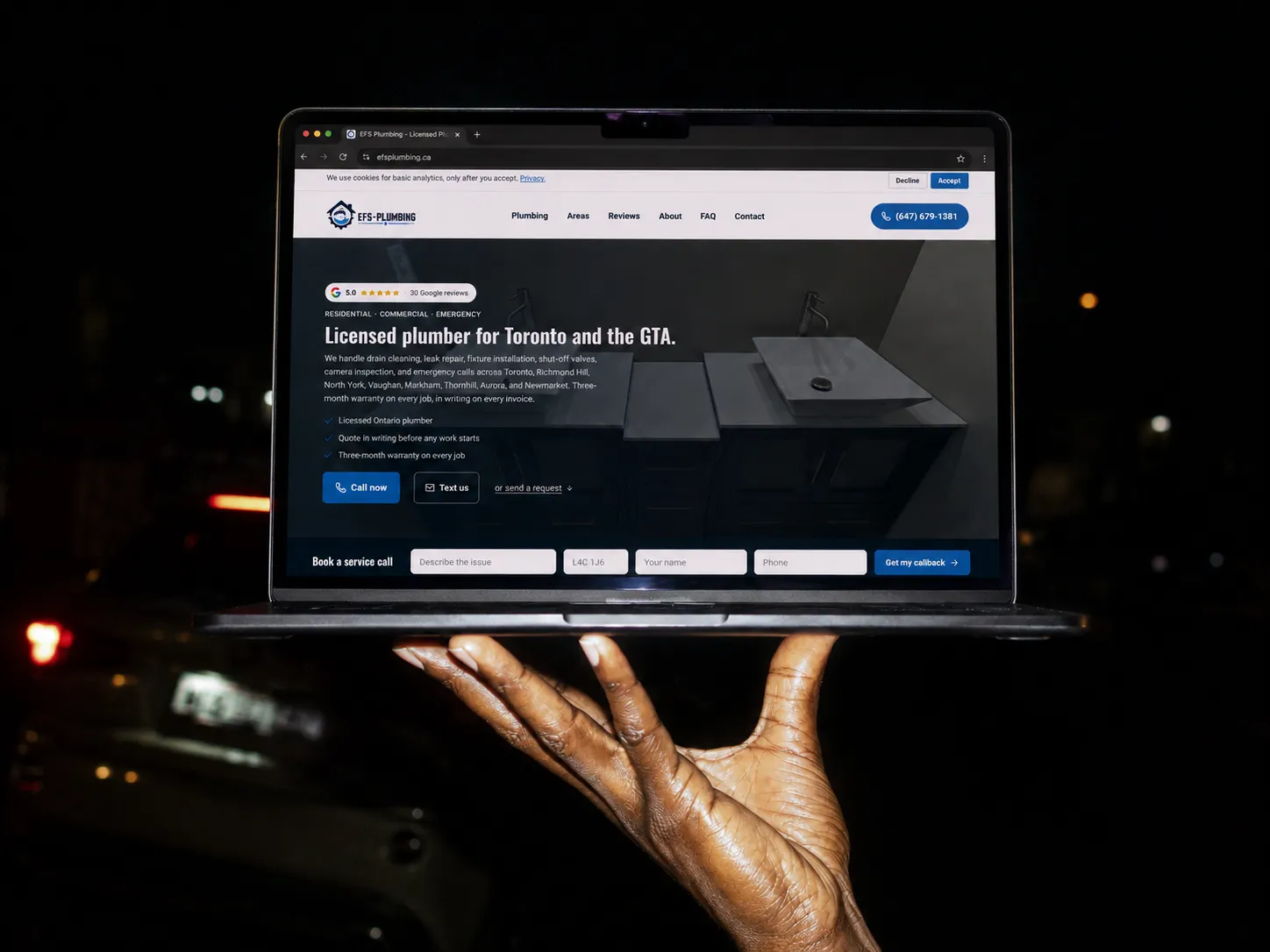
380 contractor sites graded on the public CRO Index
Fervor Contractor CRO Index 2026A grade out of 380 contractor sites
We graded 380 of them against one framework. Exactly one earned an A: Crown Industrial Roofing in Toronto, at 90 out of 100. The rest left money on the table. Here is what separates the top from the bottom.
The local detail
Every angle below comes from how Las Vegas actually searches, buys, and regulates — built into the page, not bolted on.
Your website doesn’t get viewed in a quiet office.
Nearly every emergency plumbing search in the Valley happens on a phone.
A Valley homeowner letting a stranger into the house at 9pm makes a trust decision in seconds.
One homepage cannot rank for, or convert, every job you do.
A pretty site that books nobody is an expensive brochure.
You’ve been burned before, so the question is fair.
You run a real shop. Four to ten people, a couple of trucks, a board that fills up in July when the heat snaps something and goes quiet by November. And the call that used to come from a neighbour's referral now goes to whoever shows up first on a phone screen and looks like they can be trusted. So this page covers plumbing web design Las Vegas owners need, the kind a plumbing web design company Las Vegas can point to, not a glossy template that books nobody like the last vendor's did. We'll cover the mobile reality, trust signals, speed, and the plain math.
Your website doesn't get viewed in a quiet office. It gets thumbed on a cracked phone screen while a Henderson homeowner stands ankle-deep in water from a heater that the Valley's hard water just murdered three years early. So the work starts with that exact moment, not with a hero slider nobody scrolls past.

Clark County water runs near the top of the national hardness charts, and that scale eats anodes and tank linings fast. A heater that lasts twelve years on the coast can fail in seven here. So your busiest search terms aren't generic. They're "water heater replacement Summerlin" and "no hot water Spring Valley," typed by someone who needs you today. Your site has to answer that in the first screen.
"Among homeowners who made improvements, 32% upgraded their water heaters, dishwashers, or garbage disposals." - U.S. Census Bureau and U.S. Department of Housing and Urban Development (2024)
That's a third of improving homeowners touching the exact work you do. When their unit quits, the question they type is specific, and a vague homepage loses them to the shop with a clear water heater page.
Plenty of homes south of the 215, out in Enterprise and the newer Henderson tracts, sit on soil that moves. That movement stresses copper under the slab, and slab leaks become a recurring Valley search. So your site needs a page that names the problem in homeowner words, "warm spot on the floor" and "water bill spiked," the phrases they type instead of "leak detection." When the words match what they typed, they call you instead of bouncing.
When summer climbs past 110, supply lines and PEX fittings give out at the worst possible hour. Demand spikes, every shop is slammed, and the homeowner picks the first credible site that loads. Clark County keeps adding rooftops every month, so the pool of searchers grows and so does the pool of plumbers chasing them. The site that loads fast and reads as legit gets the tap.
Nearly every emergency plumbing search in the Valley happens on a phone. The homeowner is standing in the problem, not sitting at a desk. So if your site was built desktop-first and merely squeezed down to fit a screen, you're losing the call before you ever knew it rang.

The most important element on a plumber's site is a phone number a thumb can hit without zooming. It belongs sticky at the top and again near the bottom, tap-to-call wired so one touch dials. When a North Las Vegas homeowner has water spreading across the kitchen, every extra step costs you the job. So the button can't hide behind a menu or sit as plain text that won't dial.
A page that takes five seconds to load loses a frantic visitor to the next result. Phones on cellular in the far Valley aren't on fast Wi-Fi, and a heavy site full of uncompressed images stalls. So a serious build treats page speed as a booking lever. Lean images, clean code, and a layout that paints the phone number first all keep the visitor from bouncing back to the search results.
People hold phones one-handed and scroll with a thumb. The bottom third of the screen is where a thumb rests, so that's where the call and book buttons earn their keep. A booking form crammed at the very top, above the fold but out of thumb reach, gets ignored. Good mobile design puts the action where the hand already sits.
A Valley homeowner letting a stranger into the house at 9pm makes a trust decision in seconds. Your site either earns that trust or it doesn't, and the things that earn it are concrete, not slogans.
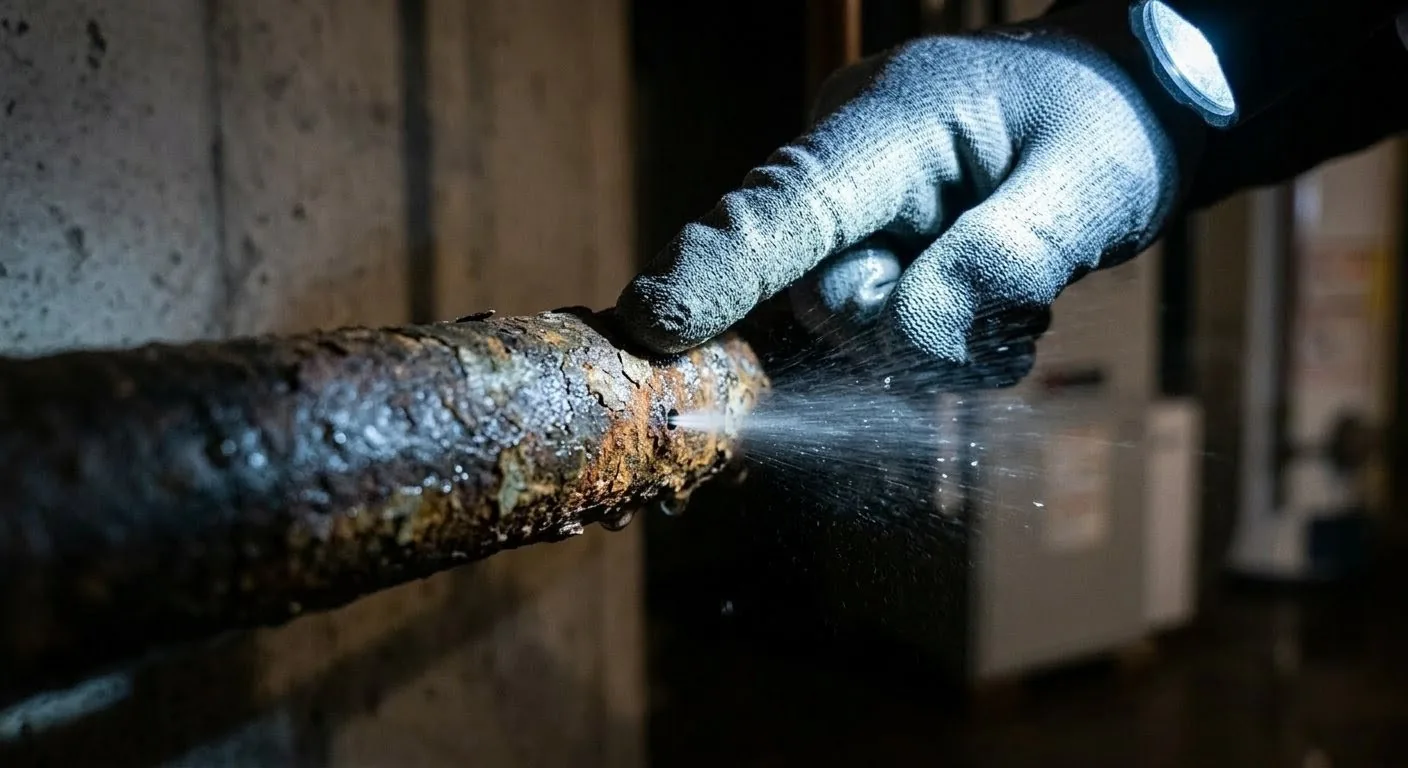
Stock photos of a model in a clean uniform fool nobody. A homeowner can smell it. So put your real crew, your real trucks, and before-and-after shots of a corroded Henderson water heater on the page. The Valley's hard water leaves a signature on fixtures, and a photo of you elbow-deep in that exact failure tells a Summerlin homeowner you've handled theirs a hundred times.
Nevada requires a state contractor license for plumbing work, and your number belongs on the site in plain sight, not buried in the footer. Pair it with your bonded-and-insured line and your Google star rating near the top. Review count matters as much as the average, because forty reviews at 4.8 reads as a real operation while three reads as a side gig.
"The median homeowner spending on plumbing fixtures upgrades was about $800 (2021-2023 data)." - U.S. Census Bureau and U.S. Department of Housing and Urban Development (2024)
At an $800 fixture job, a homeowner does a little homework before they call. Your reviews and license are the homework, sitting right where they look.
"Serving the Valley since 2009" with a real address and named neighbourhoods beats "trusted local experts" every time. So list the areas you really run, Summerlin, Spring Valley, Enterprise, the Henderson foothills, and back it with reviews that mention those places. The best plumbing web design Las Vegas owners brag about reads local in every line, because local is what the homeowner is checking for.
One homepage cannot rank for, or convert, every job you do. A homeowner searching "tankless water heater install Henderson" wants a page about that, not a paragraph buried on a catch-all. So a real plumbing web design services Las Vegas build gives each money job its own page.
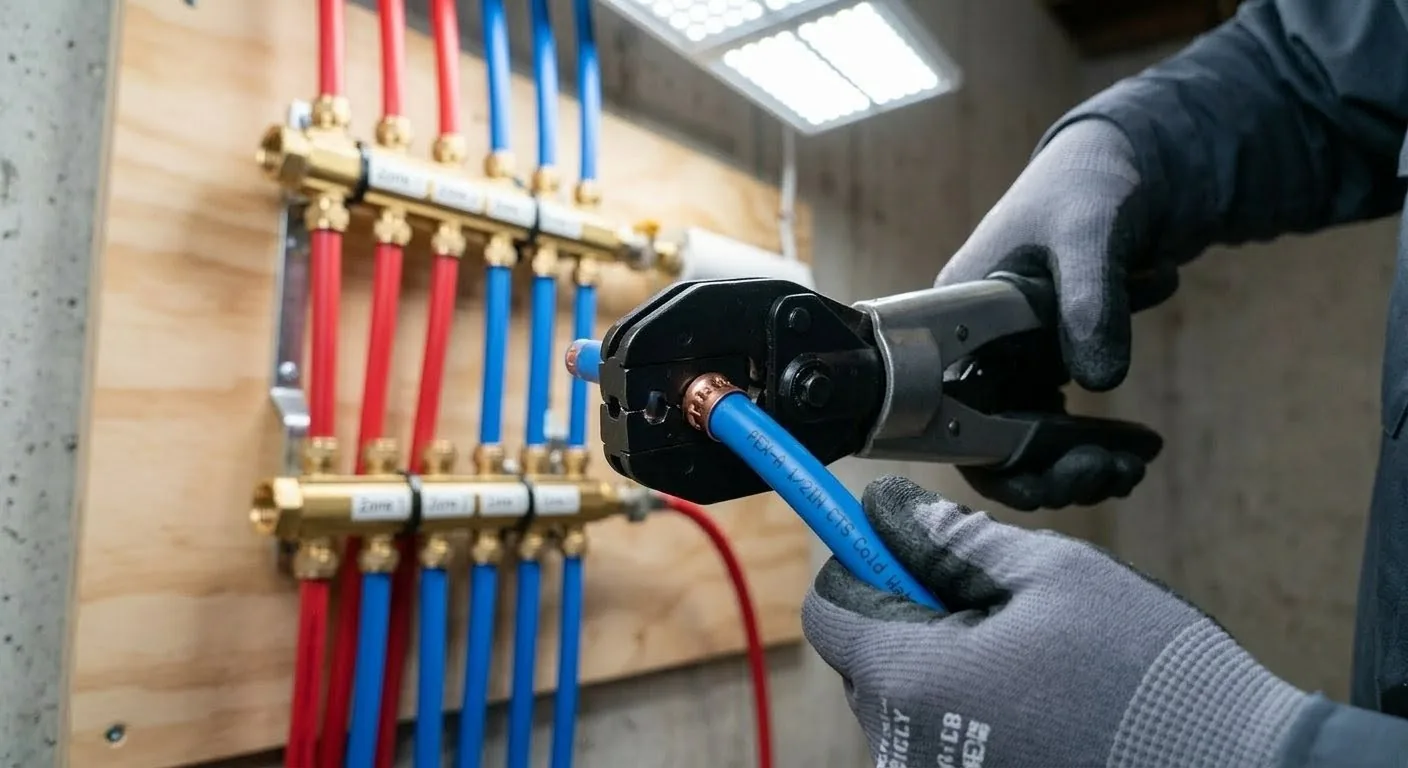
Water heaters, repipes, drain cleaning, slab leak repair, and water-softener installs each deserve a dedicated page. Each one names the Valley angle: the hard water that justifies a softener, the desert soil behind the slab leak, the rebate that makes turf-conversion plumbing worth it. When the page matches the search word for word, you win the call.
"In U.S. single-family homes (2020), 40% of main water heaters were fueled by natural gas and 31% by electricity." - U.S. Energy Information Administration (EIA) (2020)
Plenty of Valley homes still run gas, so your water heater page should speak to both gas and electric swaps. When the page answers the fuel question, the homeowner trusts you know their setup.
Adoption is still low, which means most homeowners need educating before they buy. A page that explains why a tankless unit suits a desert home, the endless hot water, the wall space saved, the longer life, does the selling that a brochure can't.
"Only 5.8% of U.S. single-family homes had tankless water heaters in 2020." - U.S. Energy Information Administration (EIA) (2020)
So the web design angle here, the one that matters for plumbers, is content that converts the curious. When a Summerlin homeowner reads a page answering their tankless questions plainly, the call that follows closes easier.
Southern Nevada's turf-rebate program pushes homeowners to rip out grass, and that work often needs irrigation and supply-line plumbing rerouted. A page that connects the rebate to the plumbing you do catches a search no generic competitor thought to write. Local rules, turned into a page, turn into booked work.
A pretty site that books nobody is an expensive brochure. So the real measure of any plumbing web design agency Las Vegas owners hire is whether the calls and form fills climb. The path from visitor to booked job is short, and every step has to be greased.
A form with eleven fields gets abandoned by a stressed homeowner. A name, a number, and "what's wrong" is enough to start a job. So keep the fields short, make the submit button big, and put a phone number beside the form for the people who'd rather call. Every field you cut is a job you keep.
The gap between a site that looks fine and one that books jobs is usually small details. A click-to-call that dials. A form that works on an iPhone. A water heater page that loads in two seconds. Fixing those is where the conversion potential of a Valley plumbing site sits, and it's the work a serious build prioritises over decoration.
You don't need a dashboard of vanity metrics. You need to know which neighbourhood and which service drove each call, and what each booked job cost you to win. So wire up call tracking, watch the form completions, and tie it all back to cost per booked job. If a vendor can't show you that figure in plain words, they don't understand your shop.
You've been burned before, so the question is fair. The honest answer comes from the math and the market, not from a sales pitch.
Demand for plumbing and mechanical work isn't crashing. It's holding, which means the shops competing for it are competing on credibility and speed, and the site is where that fight happens.
"Mechanical sentiment contributed to a Current Conditions Index of 71 in 2025" - National Association of Home Builders (2026)
"1.9% easing of mechanical renovation growth projected for Q3 2026" - Harvard Joint Center for Housing Studies (2025)
So the growth is steady rather than explosive. In a steady market the easy wins from a booming year are gone, and the shop with the better site quietly takes share from the shop with the broken one.
A huge share of housing needs mechanical and plumbing work that hasn't been done yet, and the Valley's older inner-city stock is squarely in it.
"Mechanical system retrofits part of the $149B housing deficiency market" - Harvard Joint Center for Housing Studies (2025)
"Mechanical equipment remains difficult to source for remodelers in 2025" - National Association of Home Builders (2025)
Equipment is harder to source, which makes the plumber who can actually do the job more valuable, and the site that proves it gets the call.
You can run the numbers. If a clean, fast site brings in two more booked jobs a month at a ticket you already know, that's the build paid back inside a season for most Valley shops. So the question isn't whether the site costs money. It's whether the calls clear that cost, and for a shop your size, a couple of jobs a month usually does.
So treat the website as the foundation everything else sits on. If you're also fighting to show up in local search, our guide to plumbing SEO covers the ranking work that feeds the site. For the map-pack mechanics, the breakdown of local SEO for plumbers walks through it step by step. And the contractor hub lays out the wider State of the Industry research.
The evidence
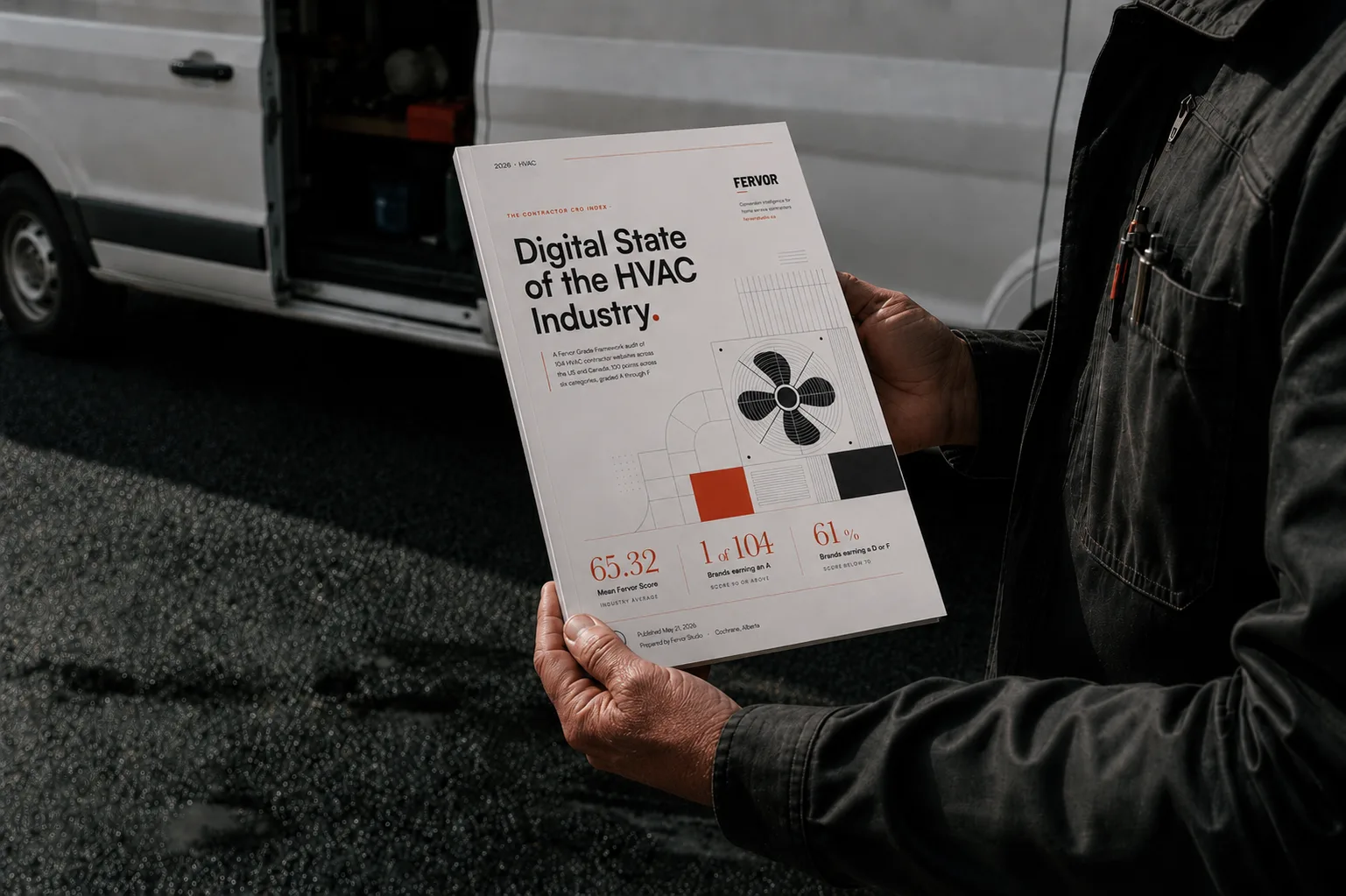 Read the full report →
 0
contractor sites graded, one A
Across the whole CRO Index, a single site earned an A. The median landed at a D. The grade gap is a conversion gap.
0
contractor sites across the State of the Industry research
Roofing, remodeling, and HVAC, scored page by page against one framework.
Two ways to start
Tell us where you are. We point you at the right next step — no sales call to get there.
Client review
“Nay did an amazing job, you know. He was really patient. He got the work done the way I told him and he was just on point with the website. Pretty straightforward process. No going around the bush. He just did amazing work and I would 100% recommend.”
How Fervor can help
Complete website system built to convert storm leads, planned projects, and research-phase homeowners into booked jobs.
Identify and patch the top conversion killers on your existing site. No full rebuild needed.
Monthly SEO, content, and CRO. Fixed deliverables. No credits, no rollover. The compound growth engine.
GBP optimization, citation building, and review system foundation. The infrastructure that gets you into the Map Pack.
One conversion-built landing page for the referrals, paid clicks, and cold-call leads you send. They land on a page built to book them, not your generic homepage.
Your move
Tell us where you are. We point you at the right next step — no sales call to get there.
Keep going