0
contractor sites graded, one A
Across the whole CRO Index, a single site earned an A. The median landed at a D. The grade gap is a conversion gap.
You're getting clicks in Atlanta. They're just not calling. We rebuild your site around the one job that matters: turning a visitor into a booked job.
Starts with a Site Inspection, so you see the plan before any build begins.
“Patient, on point, straightforward. Did amazing work. Would 100% recommend.” — Ruben Mederos, HyperTemp HVAC
“Responsive, creative, exceeded expectations. Already seeing greater engagement from our clients.” — George Jeorgy, Jeorgy's Landscape Construction
“Top-tier professionalism, real web design expertise, ideas I hadn't considered. Confidently recommend.” — Aws Nassani, Four Eleven Contracting



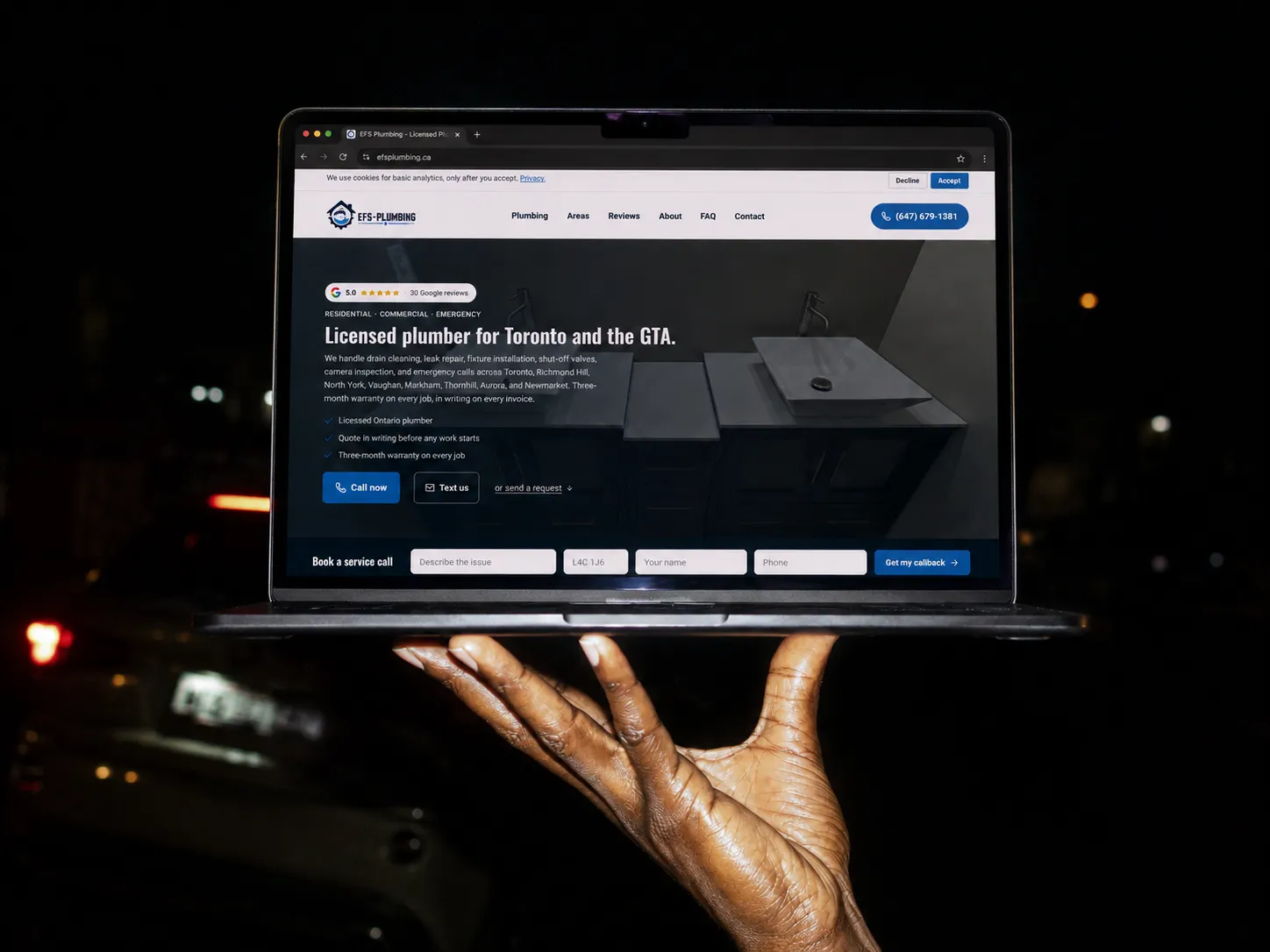
380 contractor sites graded on the public CRO Index
Fervor Contractor CRO Index 2026A grade out of 380 contractor sites
We graded 380 of them against one framework. Exactly one earned an A: Crown Industrial Roofing in Toronto, at 90 out of 100. The rest left money on the table. Here is what separates the top from the bottom.
The local detail
Every angle below comes from how Atlanta actually searches, buys, and regulates — built into the page, not bolted on.
Atlanta homeowners find you on a phone, almost always, and usually in a hurry.
So you’re picking a partner, and you should be skeptical, because you’ve watched a web designer hand over a template that never rang the phone.
Atlanta isn’t a generic market, and a swappable website won’t book its jobs.
So you’re comparing two or three shops, and you’re right to ask hard questions about what’s under the hood.
And this is where a lot of owners stall, because a new website feels like a cost rather than a tool that pays.
So you can see the gap when you put the two side by side.
Atlanta keeps growing, and that growth changes the map your website has to cover.
And timing matters more than owners assume.
You run a real shop with four to ten people and a couple of trucks, and your calendar swings hard between the freeze weeks and the quiet stretch of August. Somewhere in that swing, a homeowner in Decatur is standing in a flooded kitchen at eleven at night, phone in hand, thumbing through the first plumbers Google shows. So this page covers plumbing web design Atlanta for the owner who's tired of a website that looks fine on a laptop and falls apart on the only screen that matters. We'll get into the mobile-first build, the tap-to-call button, the trust signals that calm a panicked homeowner, and the service pages that turn a worried search into a booked job.
Atlanta homeowners find you on a phone, almost always, and usually in a hurry. When a supply line lets go in a Sandy Springs kitchen at six in the morning, nobody opens a laptop to compare quotes. They grab the phone on the counter, type a few words, and call whoever loads first with a button big enough to hit with a wet thumb. So a website that takes five seconds to render, or hides the phone number in a header menu, is handing that call to the shop down the road.
And the build choices behind that experience are where most plumbing sites quietly fail. Your pages need to load in under three seconds on a mid-range Android, because a homeowner in a panic gives a slow page about two seconds before bouncing. Your phone number belongs in the thumb zone at the bottom of the screen, tappable on every page, not buried behind a hamburger icon. Your forms should ask for a name, a phone number, and the problem, because every extra field is one more reason a stressed homeowner gives up. So Atlanta plumbing web design starts with the assumption that the visitor is upset, in a rush, and holding a five-inch screen.
"Among homeowners who made improvements, 32% upgraded their water heaters, dishwashers, or garbage disposals." - U.S. Census Bureau and U.S. Department of Housing and Urban Development (2024)
Nearly a third of improving homeowners touch the exact equipment you install, and your website is where that decision gets made or lost. When a Marietta homeowner is weighing a water heater swap, they want a page that explains the job in plain words, shows a real photo of your crew doing it, and lets them book without a phone tag. So the site is doing sales work for you between the search and the call, and a thin one hands that homeowner straight to a competitor who answers the question first.

So you're picking a partner, and you should be skeptical, because you've watched a web designer hand over a template that never rang the phone. A plumbing web design company Atlanta owners can trust builds the call button before anything decorative. That means a sticky tap-to-call bar that stays visible as the homeowner scrolls, a click-to-text option for the ones who won't dial a stranger, and a booking form that drops a lead into your inbox the second it's submitted.
The trust layer comes right behind the call button, and it carries more weight than any homeowner admits. Your Georgia state license number belongs near the top of the homepage, plain and verifiable, because a homeowner letting a stranger into the house at night wants proof you're legitimate before anything else. Your Google review score and a few real quotes from Buckhead and Alpharetta customers should sit above the fold, since a four-point-nine star average does more to win the call than any headline you could write. Photos of your own trucks, your own techs, and your own finished work replace the stock images that scream "we bought a template," and they tell a nervous homeowner that a real local crew shows up. So the best plumbing web design Atlanta has to offer reads as honest and local within the first three seconds.
There's a quieter piece most owners skip, and it costs them jobs. Your service area belongs in plain text and on a simple map, naming Decatur, Marietta, Sandy Springs, Alpharetta, and the intown neighbourhoods you cover, because a homeowner in Kennesaw needs to know you'll drive out before they'll call. And your hours and a straight answer about after-hours response should be impossible to miss. So the site removes the small doubts that stop a homeowner mid-search, and it removes them before they have to ask.
"The median homeowner spending on plumbing fixtures upgrades was about $800 (2021 to 2023 data)." - U.S. Census Bureau and U.S. Department of Housing and Urban Development (2024)
That eight-hundred-dollar fixture job is a typical ticket, and Atlanta's hard water pushes plenty of homeowners toward it sooner than they'd like. The minerals in the metro's supply chew through faucet cartridges and water heater anodes, so the upgrade conversation comes up constantly across Fulton and DeKalb. And the plumbing website that explains hard-water damage in homeowner language, with a clear fixture-upgrade page and a photo of the work, is the one that earns the quote. You can see how the ranking side fits alongside the build on our plumbing SEO page.
Atlanta isn't a generic market, and a swappable website won't book its jobs. The ground itself is where this starts. Much of the metro sits on Georgia red clay that swells when it rains and shrinks when it bakes, and that constant movement shifts foundations and cracks the sewer laterals running out to the street. So slab leaks and broken drain lines are a year-round revenue line here, and your website needs a dedicated slab leak detection page that names the problem a Decatur homeowner is already searching for.
And then there's the cold snap nobody down here prepares for. Atlanta runs mild most of the winter, so when an arctic blast drops temperatures into the teens for a few days, pipes in uninsulated crawl spaces and exterior walls burst across the whole metro at once. When a Sandy Springs homeowner walks into water pouring through a light fixture at dawn, they search "emergency plumber" and call the first credible site that loads. So your emergency page has to already exist, already load fast, and already carry your after-hours number in the thumb zone, instead of being something you scramble to add after the forecast turns.
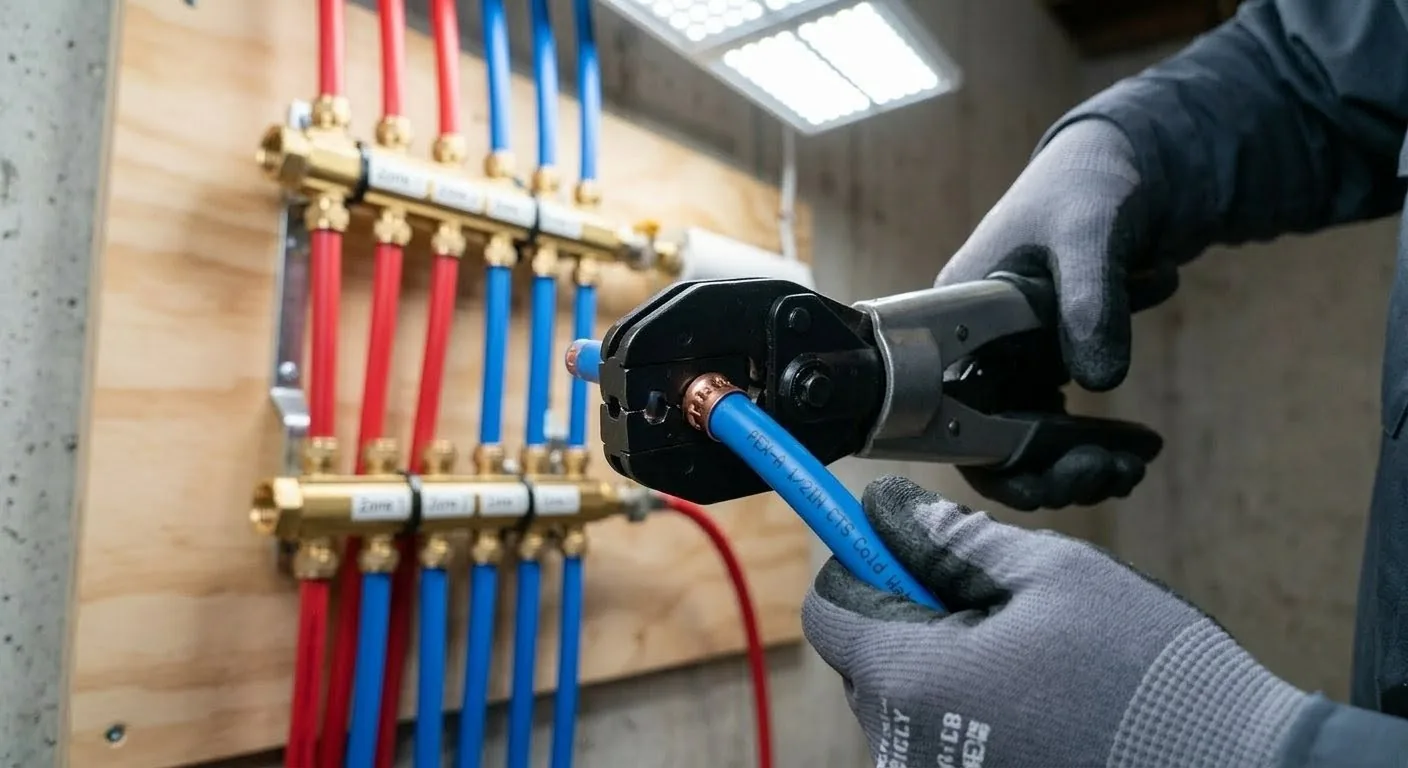
A smart site gives each money job its own plain page, written for the search that brings it. Slab leak detection, sewer line repair, water heater replacement, whole-home repiping, and drain cleaning each earn a page a homeowner can read on a phone. Tree roots invade the old cast iron and clay laterals under mature intown oaks, and polybutylene supply lines in those 1980s and 1990s subdivisions out toward Marietta and Alpharetta are failing on schedule. So a page that speaks to repipe work, with a real photo of a crimped PEX manifold and a clear request-a-quote button, books the job a generic "services" page never will.
"Mechanical system retrofits part of the $149B housing deficiency market." - Harvard Joint Center for Housing Studies (2025)
That deficiency figure is the macro picture behind your repair calendar, and Atlanta's older intown stock carries more than its share of it. A huge slice of the country's aging housing needs plumbing and mechanical retrofit work, so the demand is structural rather than seasonal noise. And your website's job is to connect that demand to your trucks, with a page for each retrofit a homeowner might be Googling tonight.
So you're comparing two or three shops, and you're right to ask hard questions about what's under the hood. The plumbing web design services Atlanta plumbers can rely on look boring on the surface and ruthless underneath. They start with page speed, because a site that scores poorly on a mobile speed test loses real money every week it stays slow, and a homeowner never sees the elegant layout if the page never finishes loading.
The short list of what a real build includes comes down to a handful of things you should confirm before any contract gets signed. Your site gets a mobile-first layout tested on an actual phone, not just shrunk from a desktop mockup. It gets a sticky call button, a two-field booking form, and click-to-text, so the homeowner can reach you the way they prefer. It gets your license, your reviews, and your real photos placed where a panicked visitor sees them first. And it gets a service page per money job plus a plain service-area map, so a Buckhead homeowner and a Kennesaw homeowner both see themselves covered. So the build is judged by booked calls, not by how it photographs in a portfolio.
That speed point carries more weight than most owners expect. A homeowner on a phone abandons a page that drags, and every one of those bounces is a job that went to a faster competitor. So the right plumbing web design company Atlanta has to offer treats load time as a revenue lever, compressing photos and keeping the booking path to two taps. And it proves the result with a real mobile speed score you can check yourself, rather than a vague promise that the site is "optimized."

And this is where a lot of owners stall, because a new website feels like a cost rather than a tool that pays. So the napkin math is the only math that matters here. Your average plumbing ticket runs around four hundred and fifty dollars, and a strong water heater or repipe job lands closer to twenty-eight hundred. If a faster, clearer site puts eight extra booked calls on your calendar a month, and you close five of them, that's real revenue from work you'd otherwise never have seen.
The question was never whether a website costs money, because every shop already has one. The real question is whether the booked jobs clear that cost several times over, which for a shop your size they usually do well inside a single quarter. So a site that turns a leak search into a scheduled appointment is a salesperson that works every night while your crew sleeps, and it never calls in sick.
"In U.S. single-family homes (2020), 40% of main water heaters were fueled by natural gas and 31% by electricity." - U.S. Energy Information Administration (EIA) (2020)
Georgia leans gas, given the region's energy mix, so a large share of your highest-value water heater work lives in gas swaps and the questions around them. When a Marietta homeowner wonders whether to stay with gas or move to a heat-pump unit, the website that answers in plain terms, with a clear water heater page, books the appointment. And that page is doing the explaining so your phone team doesn't have to.
"Only 5.8% of U.S. single-family homes had tankless water heaters in 2020." - U.S. Energy Information Administration (EIA) (2020)
Tankless adoption sits low across the country, which tells you the upsell ceiling is high. So an Atlanta shop whose site has a clean, honest tankless page captures a job most competitors aren't even explaining well, and a homeowner researching that switch at midnight is exactly the visitor a good website is built to convert.
So you can see the gap when you put the two side by side. A swappable template and a site built around how Atlanta homeowners search are not the same tool, and the difference shows up in booked calls.
| What a homeowner does | Thin template site | Built-for-Atlanta site |
|---|---|---|
| Lands on the page from a phone at 11pm | Slow load, pinch-to-zoom text | Loads in under 3 seconds, thumb-sized type |
| Wants to call right now | Number hidden in a menu | Sticky tap-to-call bar on every page |
| Checks if you're legit | No license, stock photos | License number, real truck photos, Google reviews |
| Has a slab leak in Decatur | One generic "services" line | Dedicated slab leak detection page |
| Lives out in Kennesaw | No service area shown | Plain service-area map names their suburb |
| Won't dial a stranger | Phone number only | Click-to-text and a two-field booking form |
That table is the whole argument, really. A built-for-Atlanta site answers the homeowner's question and removes the doubts in the order they come up, while a thin template makes the homeowner work and loses most of them to a faster shop.
Atlanta keeps growing, and that growth changes the map your website has to cover. Steady Sun Belt migration and cheaper land keep pulling families into the outer ring, so subdivisions in Alpharetta, Marietta, Kennesaw, and Cumming fill in faster than the trade can keep up. That sprawl spreads your service area across a wide footprint, which means a single "Atlanta plumber" page leaves most of your territory feeling uncovered to the homeowner reading it.
So a thoughtful build gives your priority suburbs their own short, honest pages, each naming the place and the local plumbing realities a homeowner there recognizes. A page that names Alpharetta, mentions the polybutylene repipes coming due in its master-planned communities, and draws your boundaries in plain text earns the Alpharetta call in a way one metro-wide page never will. And as those 1980s and 1990s neighbourhoods age past their warranties, the repipe and fixture work becomes a predictable stream your website should capture. Because the construction boom of one decade is your repair backlog in the next.
And timing matters more than owners assume. The remodeling and mechanical market sets the backdrop for how busy your repair calendar runs, and the national signals shape what metro homeowners are willing to spend on the bigger jobs. So reading those signals helps you decide when to put money into the website that captures the work.
"Mechanical sentiment contributed to a Current Conditions Index of 71 in 2025." - National Association of Home Builders (2026)
A reading of seventy-one points to remodelers still feeling steady demand, and mechanical trades like yours ride that sentiment closely. So homeowner appetite for the repipes and water heater upgrades holds up even as the headlines wobble, and a website ready to convert that appetite turns the demand into your scheduled jobs.
"Mechanical equipment remains difficult to source for remodelers in 2025." - National Association of Home Builders (2025)
Supply constraints on mechanical equipment mean the plumber who books the job early wins the install, because the homeowner who waits gets stuck behind a backorder. So a site that surfaces availability plainly and makes booking a two-tap affair turns a search into a scheduled job before a competitor calls back.
"1.9% easing of mechanical renovation growth projected for Q3 2026." - Harvard Joint Center for Housing Studies (2025)
That slight easing ahead reads as a planning cue more than a warning. So you invest in the website now, while it can still pay back across a busy stretch, and the shop with the clearer, faster website keeps its trucks moving when the market softens. For how the build and the ranking work fit into one system, our local SEO for plumbers page lays out the next layer, and the broader contractor marketing hub shows the whole picture.
A focused build for a shop your size usually runs about thirty to sixty days, since the work covers mobile layout, a service page per money job, your trust signals, and a tested booking path. The timeline depends mostly on how fast you get us your real photos, your license details, and a few customer quotes. So an honest answer from any builder sounds like a range tied to your inputs.
Because the homeowner calling you is almost always on a phone, often standing over a leak, and a site that's slow or hard to tap loses that call in seconds. A mobile-first build assumes the small screen first and the desktop second, so the call button, the booking form, and the service pages all work cleanly for a stressed thumb. So the design choice that wins the most jobs is the one that treats the phone as the only screen that counts.
Yes, for the jobs you want more of. A homeowner with a slab leak in Decatur trusts a page that names slab leak detection and shows the work far more than a generic "services" list. So you build dedicated pages for your money jobs, slab leaks, sewer repair, water heaters, repiping, and drain cleaning, rather than burying them in one catch-all that converts nobody.
You should walk from anyone who hands over a template without testing it on a real phone, won't show you a mobile speed score, or won't let you own your domain and your content. Those are the traps that burned the last owner who signed too fast. So insist on a mobile-tested build, a real load-time number, full ownership of your assets, and a booking path you can try yourself before launch.
The evidence
 Read the full report →
 0
contractor sites graded, one A
Across the whole CRO Index, a single site earned an A. The median landed at a D. The grade gap is a conversion gap.
0
contractor sites across the State of the Industry research
Roofing, remodeling, and HVAC, scored page by page against one framework.
Two ways to start
Tell us where you are. We point you at the right next step — no sales call to get there.
Client review
“Nay did an amazing job, you know. He was really patient. He got the work done the way I told him and he was just on point with the website. Pretty straightforward process. No going around the bush. He just did amazing work and I would 100% recommend.”
How Fervor can help
Complete website system built to convert storm leads, planned projects, and research-phase homeowners into booked jobs.
Identify and patch the top conversion killers on your existing site. No full rebuild needed.
Monthly SEO, content, and CRO. Fixed deliverables. No credits, no rollover. The compound growth engine.
GBP optimization, citation building, and review system foundation. The infrastructure that gets you into the Map Pack.
One conversion-built landing page for the referrals, paid clicks, and cold-call leads you send. They land on a page built to book them, not your generic homepage.
Your move
Tell us where you are. We point you at the right next step — no sales call to get there.
Keep going