0
contractor sites graded, one A
Across the whole CRO Index, a single site earned an A. The median landed at a D. The grade gap is a conversion gap.
Right now, someone in Honolulu is Googling "roofer near me." We get you showing up first — then turn that click into a booked job.
A written report and a ranked fix list, in about three days.
“Patient, on point, straightforward. Did amazing work. Would 100% recommend.” — Ruben Mederos, HyperTemp HVAC
“Responsive, creative, exceeded expectations. Already seeing greater engagement from our clients.” — George Jeorgy, Jeorgy's Landscape Construction
“Top-tier professionalism, real web design expertise, ideas I hadn't considered. Confidently recommend.” — Aws Nassani, Four Eleven Contracting



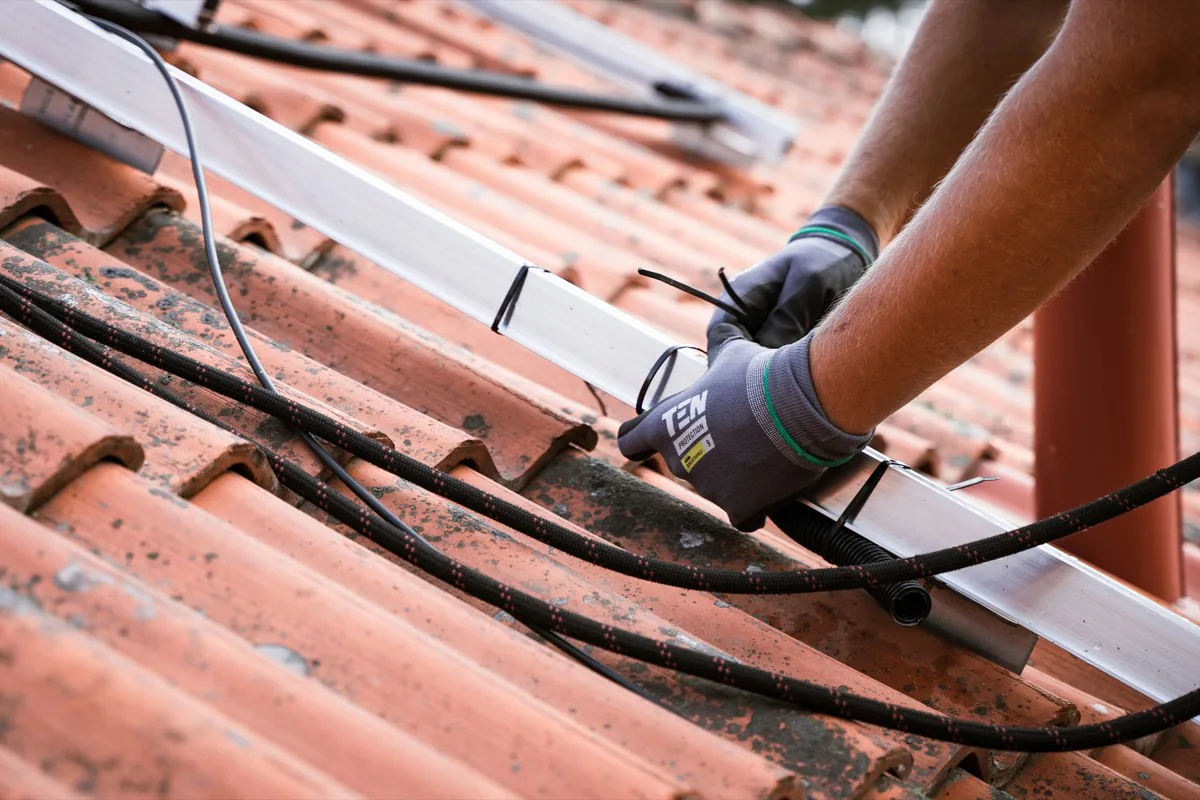
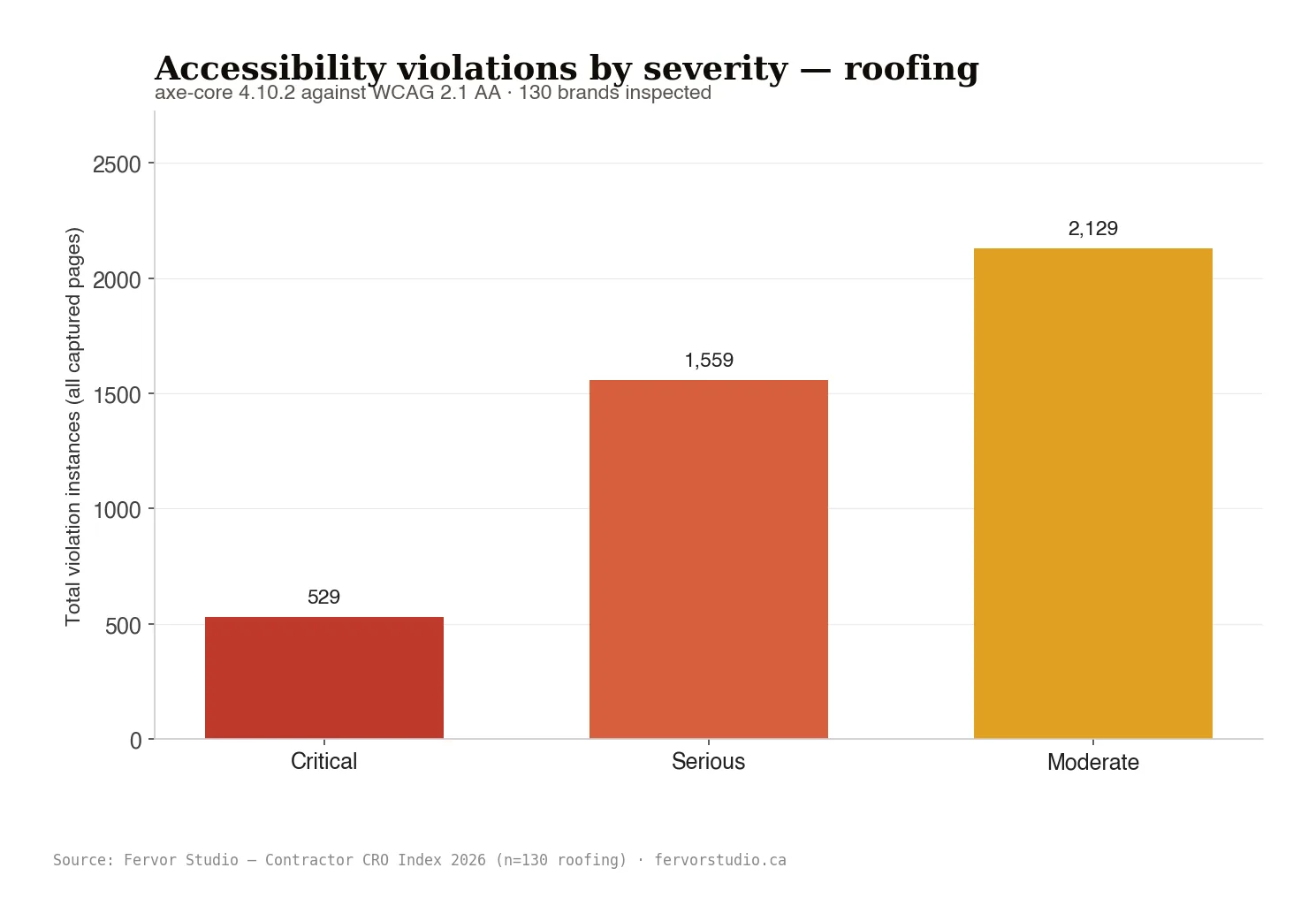
60.8% of roofing sites we tested fail a critical accessibility check
Digital State of the Roofing Industry 2026A grade out of 380 contractor sites
We graded 380 of them against one framework. Exactly one earned an A: Crown Industrial Roofing in Toronto, at 90 out of 100. The rest left money on the table. Here is what separates the top from the bottom.
The local detail
Every angle below comes from how Honolulu actually searches, buys, and regulates — built into the page, not bolted on.
The islands punish mainland assumptions.
The map pack is the three local results that sit under the map at the top of a search.
Owners over-invest in a homepage and under-invest in the six pages that answer a buyer mid-search.
The lead leak is rarely in the click.
So you own a roofing shop with four to ten people on payroll, you run jobs from Kakaako out to Hawaii Kai, and a Los Angeles agency just pitched you on roofing seo honolulu like Oahu is a flat search market. It is a lie. And the gap between a generic SEO retainer and one that books reroofs in your service area shows up in the first ninety days, which is the gap this page is built to close. Your shop lives or dies on whether a homeowner in Kaimuki typing "roof leak near me" at 9pm finds you or finds the franchise three zips over.
But before any of that, the boring part. You need to know what salt air and trade winds do to a roof, what your buyer is searching for, and where every clicked ad and every chased lead leaks between a Google search and a signed contract. So here is the field guide, owner to owner.
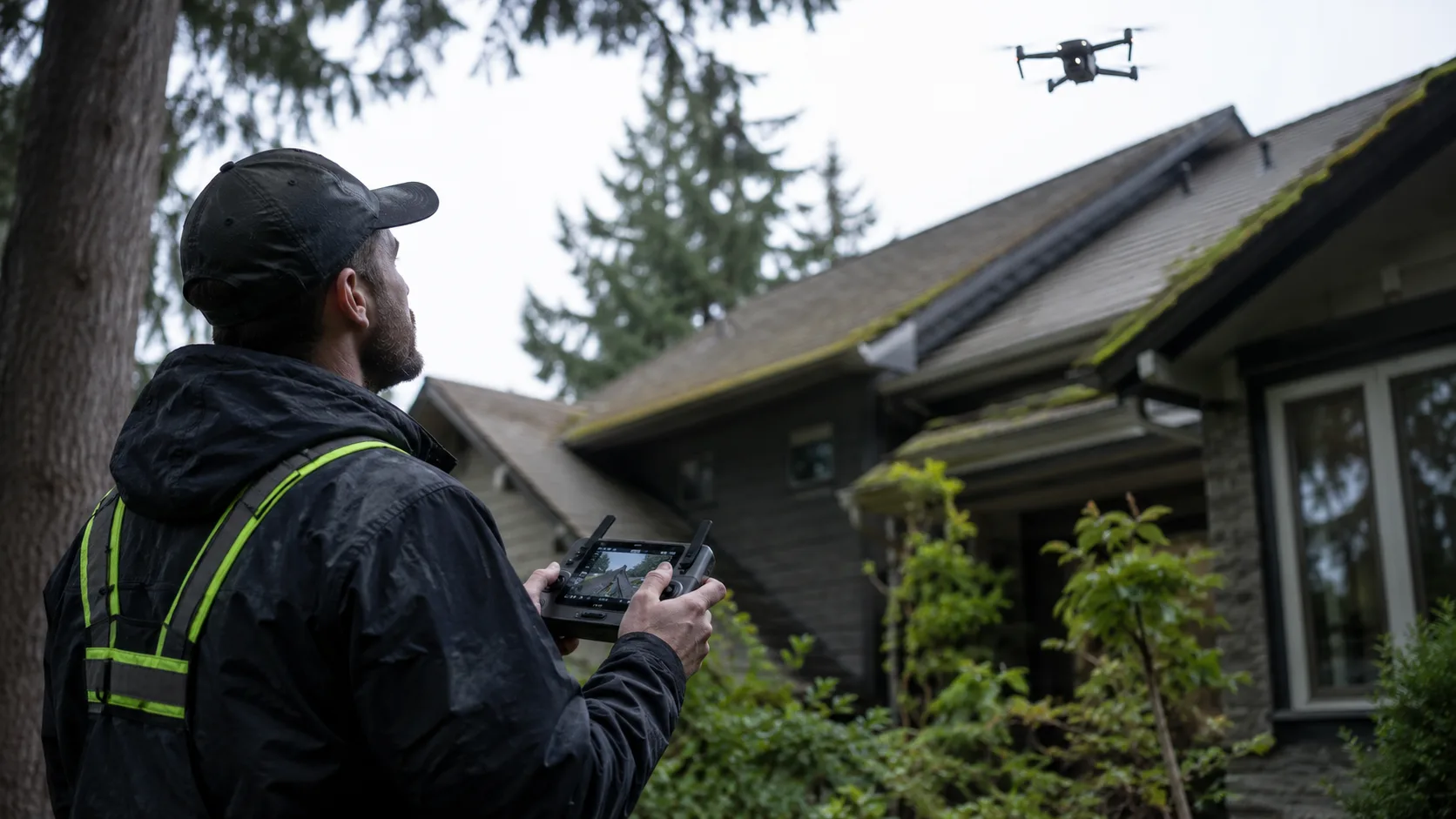
The islands punish mainland assumptions. So an agency that worked great in Dallas walks in here with a playbook that ignores salt corrosion, hurricane clips, and a permit office that does not move at mainland speed. They see "tropical, no snow" and assume your shingles last twenty-two years. Wrong by a decade.
"In hail-prone states, average roof lifespan is 15 years vs 22 years in milder western states; 38% of U.S. homes have roofs in moderate to poor condition (Roofing Contractor) with 60% higher loss costs" — Verisk Analytics (2025)
Oahu is not classic hail country, but it is also not the mild western coast. Salt air eats fasteners on the windward side, UV bakes shingles in Ewa, and trade-wind uplift turns a sloppy ridge cap into a Saturday emergency. So average roof lifespan around here sits closer to 15 to 18 years on a 30-year shingle, and homeowners get hit with replacement costs they assumed were a decade away. That is your buyer. Hot, surprised, and shopping fast.
A play that targets only "Honolulu" loses to a play that names blocks. So you want pages or service-area sections that mention Kakaako, Kaimuki, Manoa, Kailua, Hawaii Kai, Mililani, Aiea, Pearl City, Kaneohe, and Waipahu by name. Each of those zips behaves differently. Kailua and Hawaii Kai skew higher-ticket and HOA-driven, so your standing-seam metal pages and your "matching existing color" content live there. Aiea and Pearl City run older plantation-era housing stock, so your reroof and underlayment-replacement pages do the work. Manoa stays wet eleven months a year, so a "constant rain underlayment" page bites in that valley.
An owner usually thinks the buyer searches when the leak starts. Then the proposal sits for three weeks while the homeowner gets four bids. So your content needs to compress that timeline. Pages that explain "why a windward roof loses ten years of life to salt" or "what trade-wind uplift does to a ridge cap" get bookmarked, shared with a spouse, and convert. The city stays in the address bar; the words that move the homeowner are about salt, wind, and timeline.

The map pack is the three local results that sit under the map at the top of a search. So if your Google Business Profile is not in those three, you are functionally invisible to your highest-intent buyer. And the math is brutal. Homeowners click one of the three, skim reviews, and call. The rest of the search results page is a participation ribbon.
"97% of roofing customers expect a callback within one week. More than 50% expect a callback within two days." — Roofing Contractor Magazine (2024)
So your map pack work and your callback discipline are the same problem. A profile that ranks but never gets answered burns ad budget faster than one that does not rank at all. And the cheapest local seo for roofing companies honolulu wins is fixing the callback gap before anyone touches a service-area page.
A service-area page names a neighborhood and a problem. It does not say "we serve Oahu." So a working stack looks like: one home page that covers the island, one trade hub for "roof replacement," and a service-area page per priority neighborhood that ties the trade to the zip. You stop competing with yourself and start owning the long-tail.
Google's local algorithm also reads review velocity, not just star count. So a shop with 47 reviews collected steadily over 18 months beats a shop with 200 reviews dumped in one quarter and nothing since. Your CRM should ask every closed job for a review within 48 hours of the final invoice, with a direct link to the profile. That is the only review tactic worth the time of the owner of a 4 to 10 person shop.
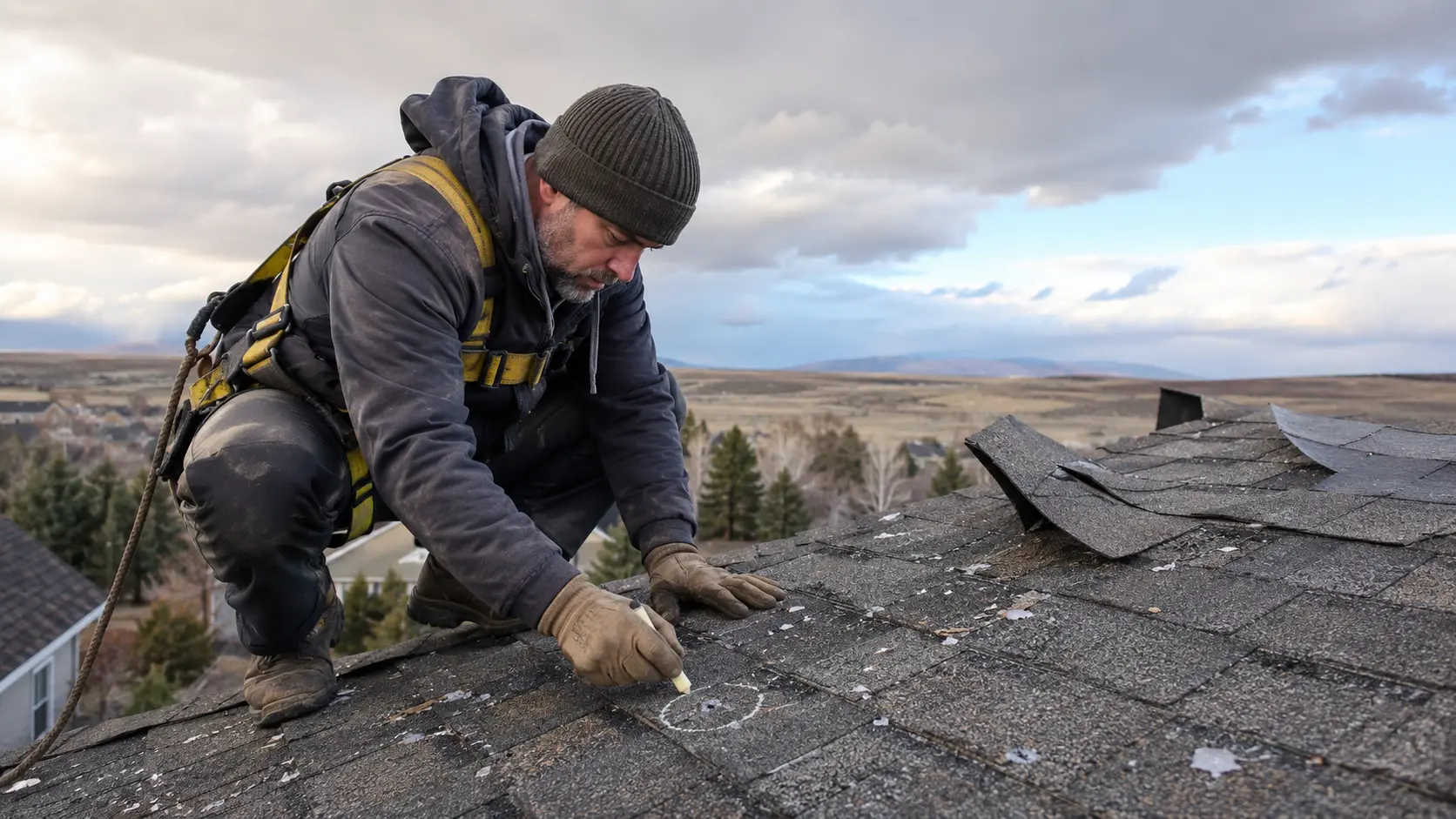
Owners over-invest in a homepage and under-invest in the six pages that answer a buyer mid-search. So here is the working set you need before you spend a dollar on ads.
This is the workhorse. It explains scope, names a price band ("most full reroofs on Oahu land between $14,000 and $26,000 depending on square footage, pitch, and material"), shows three real local jobs with before-and-after, and ends with a calendar link. Not a contact form. A calendar link.
"In 2024, 22% of renovating homeowners undertook roofing upgrades, with a median spend of $13,000." — Houzz Inc. (2025)
So a $14,000 reroof in Pearl City is on the lower end out here; mainland medians do not survive the freight surcharge to the islands. And napkin-math from your end says a strip-and-shingle on a 2,200 square foot single-story comes in around $13 to $17 per square foot installed, while a standing-seam metal on the same footprint runs $22 to $30. Put those numbers on the page. Buyers do not punish honesty; they punish ambiguity.
Then pages two through six. Two: the storm and trade-wind damage page that ranks for the weather event. Three: the metal roof page, because Kailua and Hawaii Kai demand it. Four: the financing page that answers the cash-or-card question before it gets asked. Five: the "we work with your insurance adjuster" page for the storm-claim crowd. Six: the about-the-owner page with a real photo, real history, and the name of the original truck.
"Among homeowners who renovated in 2024, 84% used cash from savings and 29% used a credit card to fund renovation projects (multiple funding sources allowed)." — Houzz Inc. (2025)
So your financing page exists for the 29% who want a credit-card option for the deposit and a real loan product for the rest, not the 84% paying cash. Two paragraphs of clarity beat a 12-question form every time.
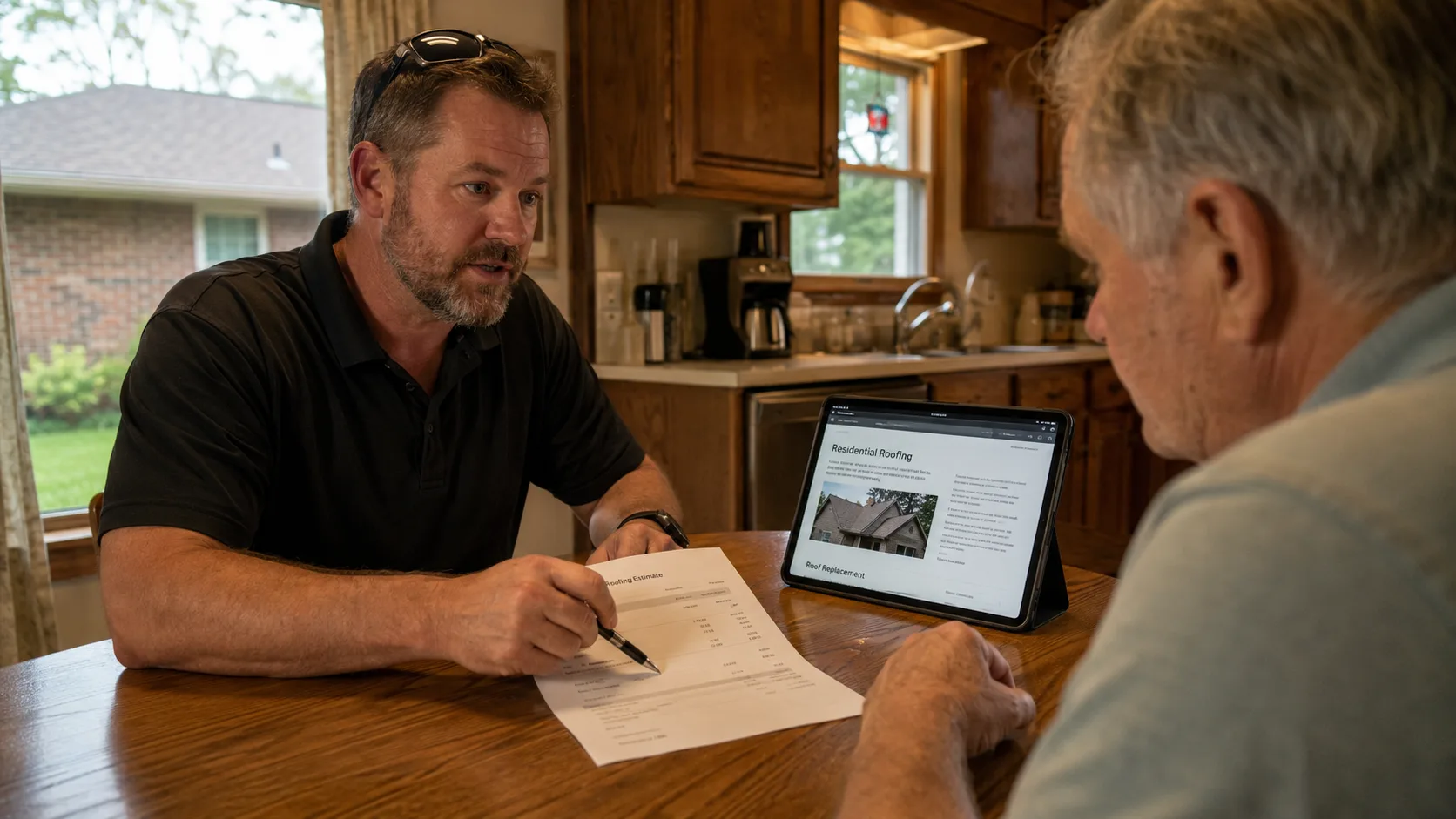
The lead leak is rarely in the click. It is in the seventy-three seconds between when the homeowner picks up the phone and when somebody on your team picks up theirs. So this is the part of your funnel that an outside agency cannot fix for you; they can only point at it.
If you cannot answer the phone in 90 seconds during business hours, you need a real call routing setup that hits a second number, then a third, then a voicemail with a 30-minute promise. And the promise has to be true, every time. Otherwise the dial moves on.
A web form that emails the office and then sits in a folder is a lead that is already gone. So the form should send a text to the on-call estimator, hit your CRM, and trigger a calendar invite the homeowner can confirm in one tap. Anything more complex breaks under load.
Your shop probably cannot tell you which page a booked job came from. So set up call tracking that shows page-of-origin, then look at the report monthly. The pages that book are not always the pages that get the most traffic. And once you know that, you stop investing in pretty homepage updates and start investing in the workhorse pages above.
Trust on a contractor site gets built with specific numbers, specific addresses (redacted to the block), and specific timelines, never with stock photos and badges. So here is the stack that works.
"Among homeowners undertaking a roofing project, 63% choose asphalt roofing material (dimensional shingles 34%, three-tab shingles 19%, luxury shingles 10%), while 14% choose metal and 11% choose synthetic material or rubber." — Houzz Inc. (2024)
So your material pages should weight differently than the mainland average. Asphalt still leads, but metal is closer to 25 to 30% of island jobs because salt and UV punish shingles, and code requires hurricane-rated fasteners on every install. Dimensional shingles get the deepest page because most buyers land there. Standing-seam metal gets its own page because the windward coast demands it. Three-tab gets a paragraph because nobody loves it except the rental investors. Tile and synthetic each get a short page for the curious.
A page that hides price is a page that loses to a competitor who shows one. So show a price band, name the variables that move it (pitch, square footage, tear-off layers, decking condition, freight), and offer a free walkthrough quote. The buyer who calls already knows the ballpark.
"The median spend on roofing upgrades in 2024 was 8% higher than in 2023 (median $13,000 in 2024)." — Houzz Inc. (2025)
So a price band you wrote last spring is already 8% stale. Refresh it twice a year. The page that shows "valid through October" outperforms the page with no date.
Reroofs rarely sell alone on this island.
"Among renovating homeowners, 44% add or redo a roof as part of their exterior projects." — Houzz Inc. (2024)
So almost half of your buyers are also thinking gutters, fascia, or solar at the same time. A bundle play that ignores the attached project leaves money on the lanai. Add a "while-we-are-up-there" page that talks gutters, fascia repair, attic ventilation, and PV prep. The same crew, the same day, the same invoice.
"From 2021–2023, homeowners spent $93.5B on roofing across 8.3 million projects (AHS-based estimates)." — U.S. Census Bureau and U.S. Department of Housing and Urban Development (2024)
Your slice of that 93.5 billion is whatever your local search owns. So the real question is whether your shop shows up in the moments your neighbors are spending that money. The market size is a settled matter.
Fervor is a digital-marketing agency built for trade owners running a 4 to 10 person crew. So we do not pitch you a generic retainer and a mainland copywriter who has never seen a hurricane clip. We start with a free Site Inspection of your current site, your map pack standing, and the six money pages above. No sales call, no obligation, no upsell at the end.
We have done a public inspection of roofing websites across the trade, graded every page in the same framework, and published the gaps owners are paying for without knowing. Your inspection uses the same rubric. You get a written report, a recorded walkthrough, and the page-by-page gap list, with the small fixes called out separately from the larger structural ones.
You keep the report. You keep the recording. You keep the gap list and the priority order. So if you take it to your nephew or your current vendor and have them do the work, that is fine. We built the inspection so an island shop owner has a real second opinion on the table before they sign another twelve-month contract.
Then we scope the work, if you want us to do it. Shops in your size band typically get to first-page map pack inside ninety days, second money page ranked inside one hundred twenty, and a callback-discipline review thrown in for free. So the engagement is bounded, named, and timelined.
Ready to see your site through the same lens we used on the rest of the trade? Request the free Site Inspection. No sales call to claim it. Just the report and the next step.
The evidence
 Read the full report →
 0
contractor sites graded, one A
Across the whole CRO Index, a single site earned an A. The median landed at a D. The grade gap is a conversion gap.
0 %
of roofing sites fail a critical accessibility check
Scored against WCAG 2.1 AA with axe-core. A page that blocks a screen reader also blocks a paying customer.
Fervor Roofing State of the Industry, 2026
0 %
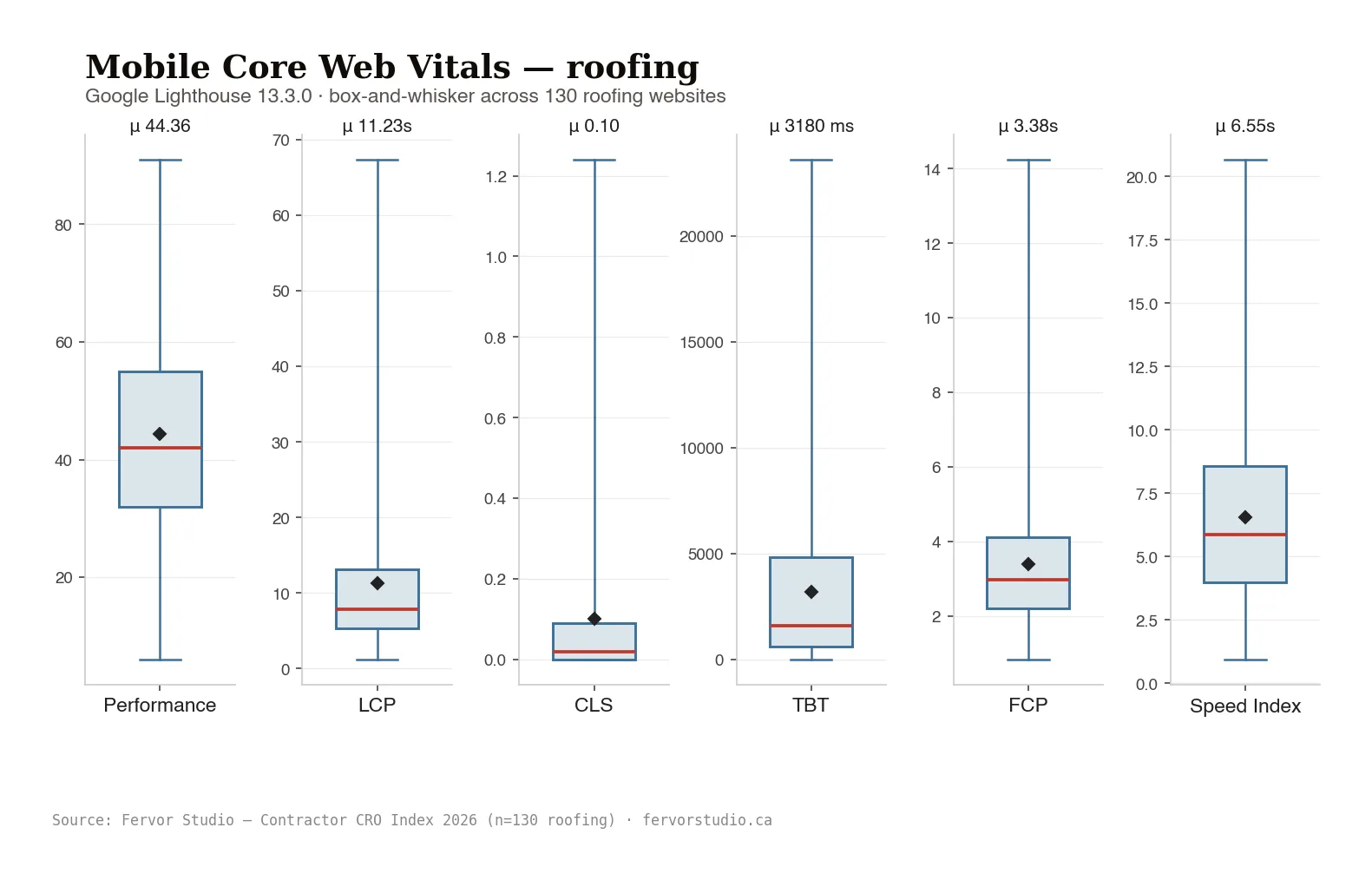
miss Google's mobile load-speed bar
Median mobile load lands at 7.88 seconds. Most of your traffic is on a phone, and most of them are gone before the hero paints.
Fervor Roofing State of the Industry, 2026
0 /100
is the average roofing grade
That is a D. The sites booking the work are not the ones with the biggest crews. They are the ones a few points higher on the things homeowners feel.
Two ways to start
Tell us where you are. We point you at the right next step — no sales call to get there.
Client review
“Nay did an amazing job, you know. He was really patient. He got the work done the way I told him and he was just on point with the website. Pretty straightforward process. No going around the bush. He just did amazing work and I would 100% recommend.”
How Fervor can help
Monthly SEO, content, and CRO. Fixed deliverables. No credits, no rollover. The compound growth engine.
Complete website system built to convert storm leads, planned projects, and research-phase homeowners into booked jobs.
Identify and patch the top conversion killers on your existing site. No full rebuild needed.
GBP optimization, citation building, and review system foundation. The infrastructure that gets you into the Map Pack.
One conversion-built landing page for the referrals, paid clicks, and cold-call leads you send. They land on a page built to book them, not your generic homepage.
Your move
Tell us where you are. We point you at the right next step — no sales call to get there.
Keep going