0
contractor sites graded, one A
Across the whole CRO Index, a single site earned an A. The median landed at a D. The grade gap is a conversion gap.
You already get traffic in Halifax. Most of it leaves without calling. We find the leaks and plug them, so the visitors you've got start booking jobs.
Starts with a Site Inspection, so you see the leaks before any fix begins.
“Attentive, listened to every revision request, delivered on time. Would work with him again.” — Hamza Najam
“Patient, on point, straightforward. Did amazing work. Would 100% recommend.” — Ruben Mederos, HyperTemp HVAC
“Responsive, creative, exceeded expectations. Already seeing greater engagement from our clients.” — George Jeorgy, Jeorgy's Landscape Construction
“Top-tier professionalism, real web design expertise, ideas I hadn't considered. Confidently recommend.” — Aws Nassani, Four Eleven Contracting




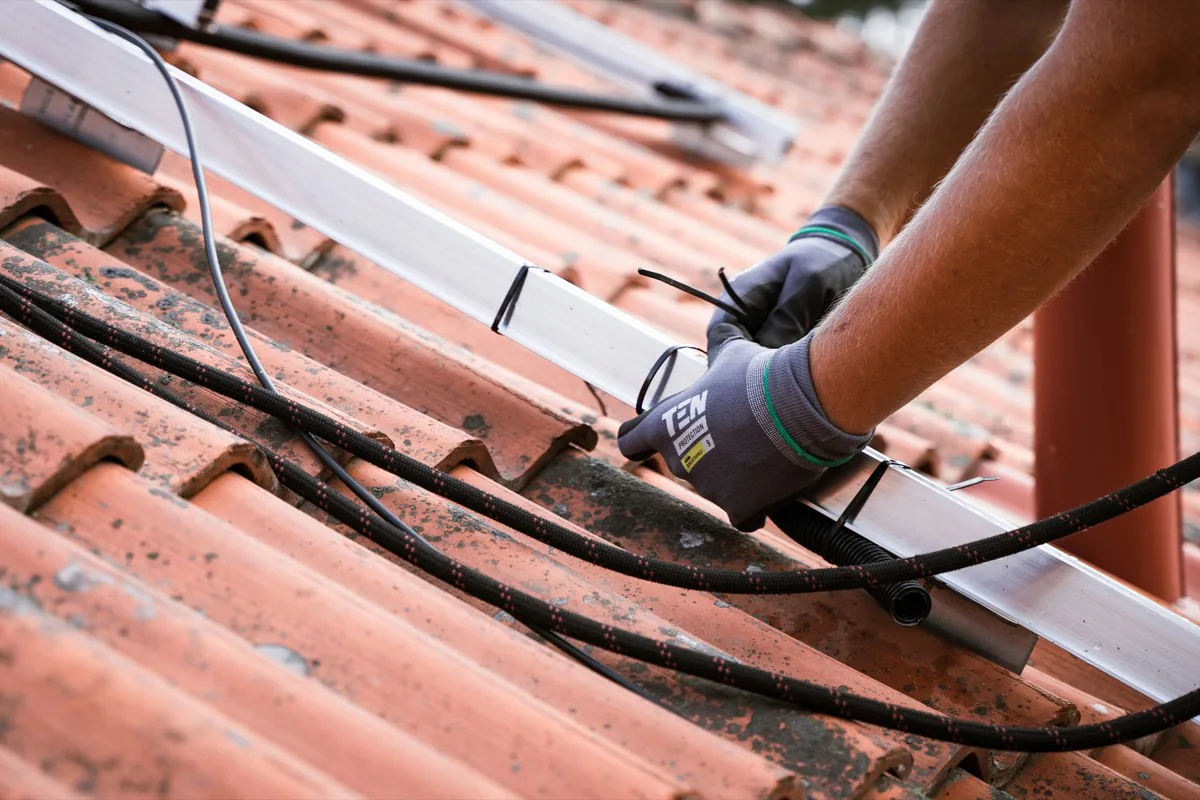
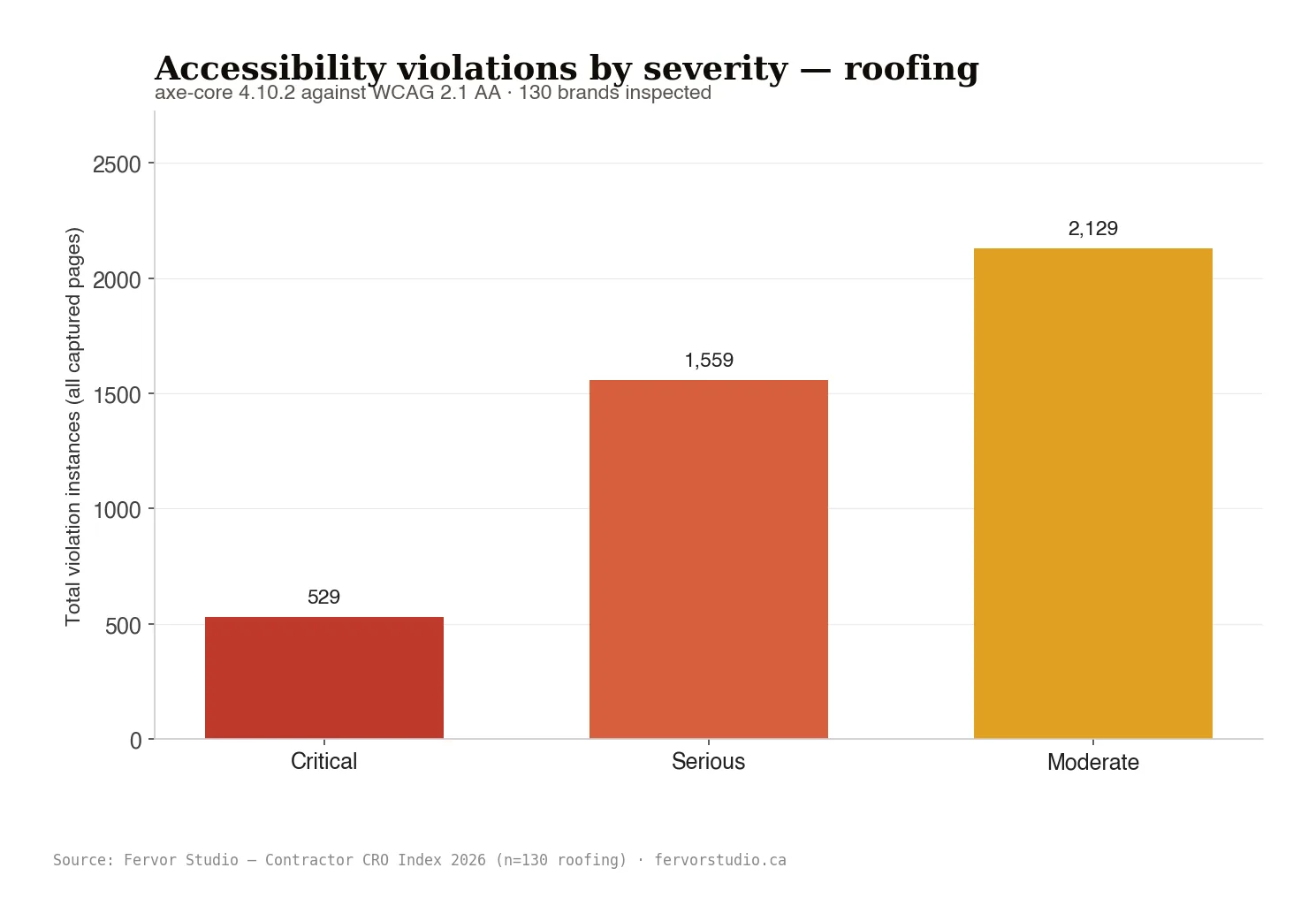
60.8% of roofing sites we tested fail a critical accessibility check
Digital State of the Roofing Industry 2026A grade out of 380 contractor sites
We graded 380 of them against one framework. Exactly one earned an A: Crown Industrial Roofing in Toronto, at 90 out of 100. The rest left money on the table. Here is what separates the top from the bottom.
The local detail
Every angle below comes from how Halifax actually searches, buys, and regulates — built into the page, not bolted on.
Your homepage was built to do twelve jobs at once.
Picture the first screen on a phone, because that’s where most Halifax homeowners will see it.
Here’s the number-one leak point, and it’s almost always the form.
You don’t run one ad, so you shouldn’t run one page.
Getting the form filled is half the job.
You're paying for clicks. A homeowner in Clayton Park sees your storm-damage ad, taps it on a phone with one bar of signal, and lands on your homepage. And now they're staring at your About page, your three service tiers, your truck photos, and a navigation menu with nine links. So they leave. That click cost you maybe eleven dollars, and you got nothing for it. So a roofing landing page in Halifax fixes exactly that gap, the few seconds between the tap and the back button, where most ad money quietly disappears.
And here's the part that stings. The homeowner wanted to call you. But you just made them work for it.
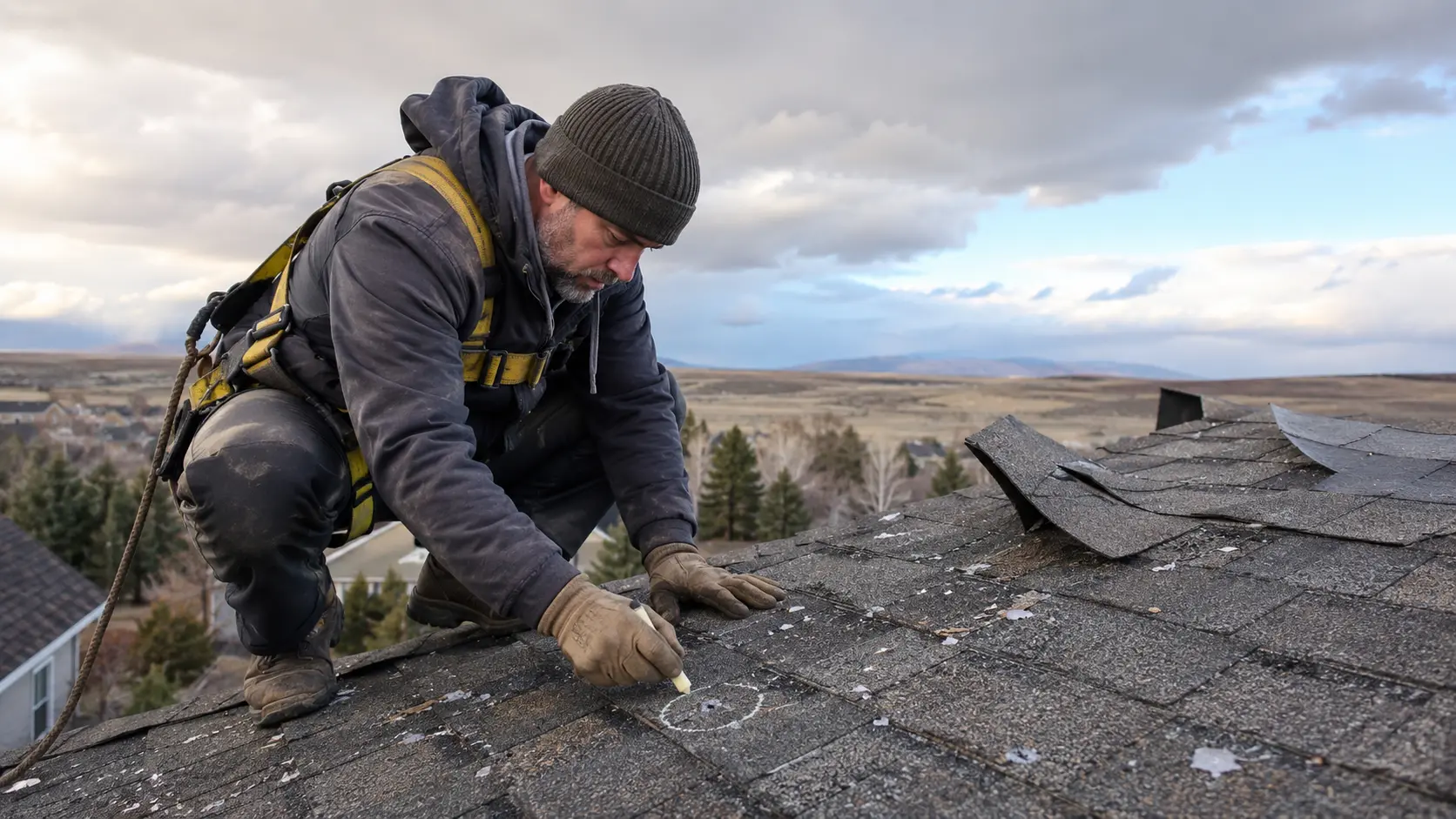
Your homepage was built to do twelve jobs at once. So it introduces the business, lists every service, links to the careers page, shows the warranty, and asks for a newsletter signup. And that's fine for someone who Googled your company name. But it's terrible for someone who clicked an ad about a hole in their roof.
So the visitor has to hunt. They scroll past the hero, skim the menu, and try to figure out which of your nine links matches the storm that just hit Dartmouth. And every extra choice is a reason to bail. So roof work is one of the most common exterior jobs a homeowner clicks an ad for in the first place.
"Among renovating homeowners, 44% add or redo a roof as part of their exterior projects." — Houzz Inc. (2024)
So nearly half of exterior renovators touch a roof, and your homepage buries that demand under nine menu items. And the irony is brutal. So your most polished asset doubles as your worst ad destination.
The rule is boring, and it works: one ad, one page, one ask. Each ad goes to a page built for that ad, with one job and one button. So no top navigation pulling them sideways. And no careers link. Just the offer they clicked, restated in their words, and a way to act on it. So when the page says back what the ad promised, the homeowner relaxes. And they're in the right place. So they stay.
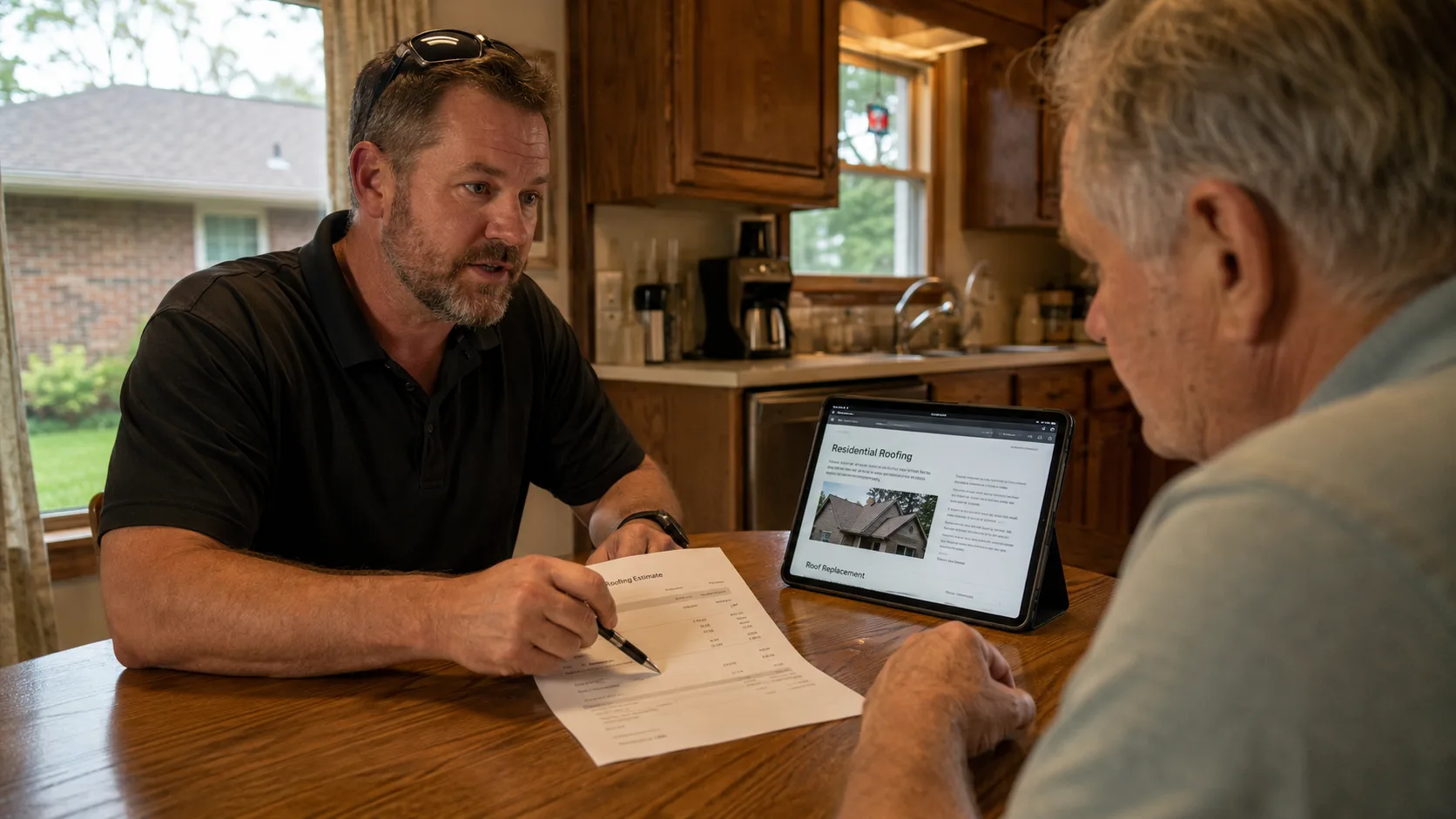
Picture the first screen on a phone, because that's where most Halifax homeowners will see it. So you get one screen, maybe a thumb-flick of scroll, before they decide. And three things have to be visible without scrolling: a headline that matches both the ad and the worry, a call button that never hides, and one piece of proof sitting right beside the ask. Because the money behind this category is real, not small.
"From 2021–2023, homeowners spent $93.5B on roofing across 8.3 million projects (AHS-based estimates)." — U.S. Census Bureau and U.S. Department of Housing and Urban Development (2024)
So 8.3 million roofing projects is a lot of clicks across the market, and your one screen is fighting for a slice of them. So drop the "award-winning, family-owned, trusted since 1998" headline. Because it makes the reader argue with you in their head. Say the plain thing instead. "Roof leaking in Bedford? Same-day tarp, free estimate." And they can't argue with that, so they act on it.
If your ad said "Storm damage in HRM," your page headline can't say "Welcome to our roofing company." Because that mismatch costs you the click you already paid for. So match the words. And match the fear. A homeowner in Spryfield who just watched shingles peel off in a nor'easter wants to read the word "storm" on the page, not your mission statement.
On a phone, the button to call or book stays stuck to the bottom of the screen the whole way down. So it's always reachable, never more than a thumb away. One Halifax roofer found a third of their estimate requests came from a tap-to-call bar that followed the scroll. And the desktop version keeps a button in the top corner too.
Right next to the button, put one real Google rating and a recent neighbourhood. "4.9 stars, 212 reviews, last job in Fall River." So not a wall of badges. Just one number the homeowner can verify in ten seconds. And the person clicking is usually paying with their own savings, so trust does real work here.
"Among homeowners who renovated in 2024, 84% used cash from savings and 29% used a credit card to fund renovation projects (multiple funding sources allowed)." — Houzz Inc. (2025)
So 84% are spending their own savings on this, which means they're cautious before they pick up the phone. So talk to that caution. And show the proof. Then make the button easy.
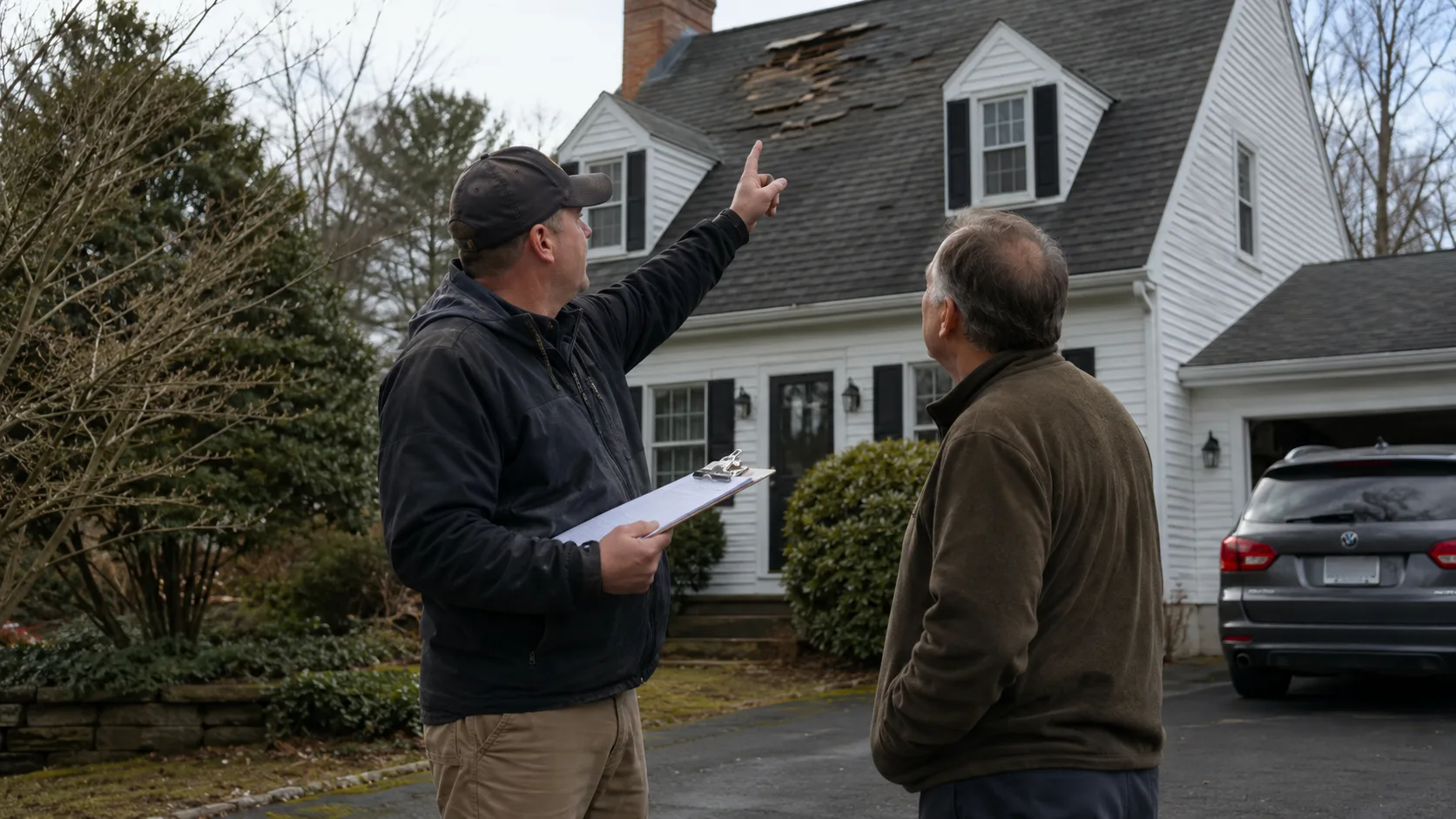
Here's the number-one leak point, and it's almost always the form. You ask for first name, last name, email, phone, address, roof type, square footage, preferred contact time, how they heard about you, and a 200-character description of the problem. So that's eleven fields. And the homeowner in Sackville with water dripping into a bucket gives up at field six.
So cut it. Name, phone, address, and one line for what's wrong. Just four fields. Because that's everything you need to call them back and everything they're willing to give a stranger on a phone. And you can ask the rest when you talk to them, because you will talk to them, which is the whole point.
Every field you add is a small tax the homeowner pays before they get anything. So drop the email field; you'll get their email when you book the estimate. And drop the square footage; you'll measure it on-site. So the shorter the form, the more leads land in your inbox, and roofing budgets are real money to protect.
"The median spend on roofing upgrades in 2024 was 8% higher than in 2023 (median $13,000 in 2024)." — Houzz Inc. (2025)
So the job sitting behind that four-field form is worth more this year than last. And losing a $13,000 reroof to a bloated form is a more expensive mistake than it used to be.
The one open field should be dead simple. "Tell us what's happening." So a homeowner can type "shingles came off in the wind" with one thumb. And that single sentence tells your office whether to send a tarp truck today or book a full inspection next week. Easy to fill, useful to you.
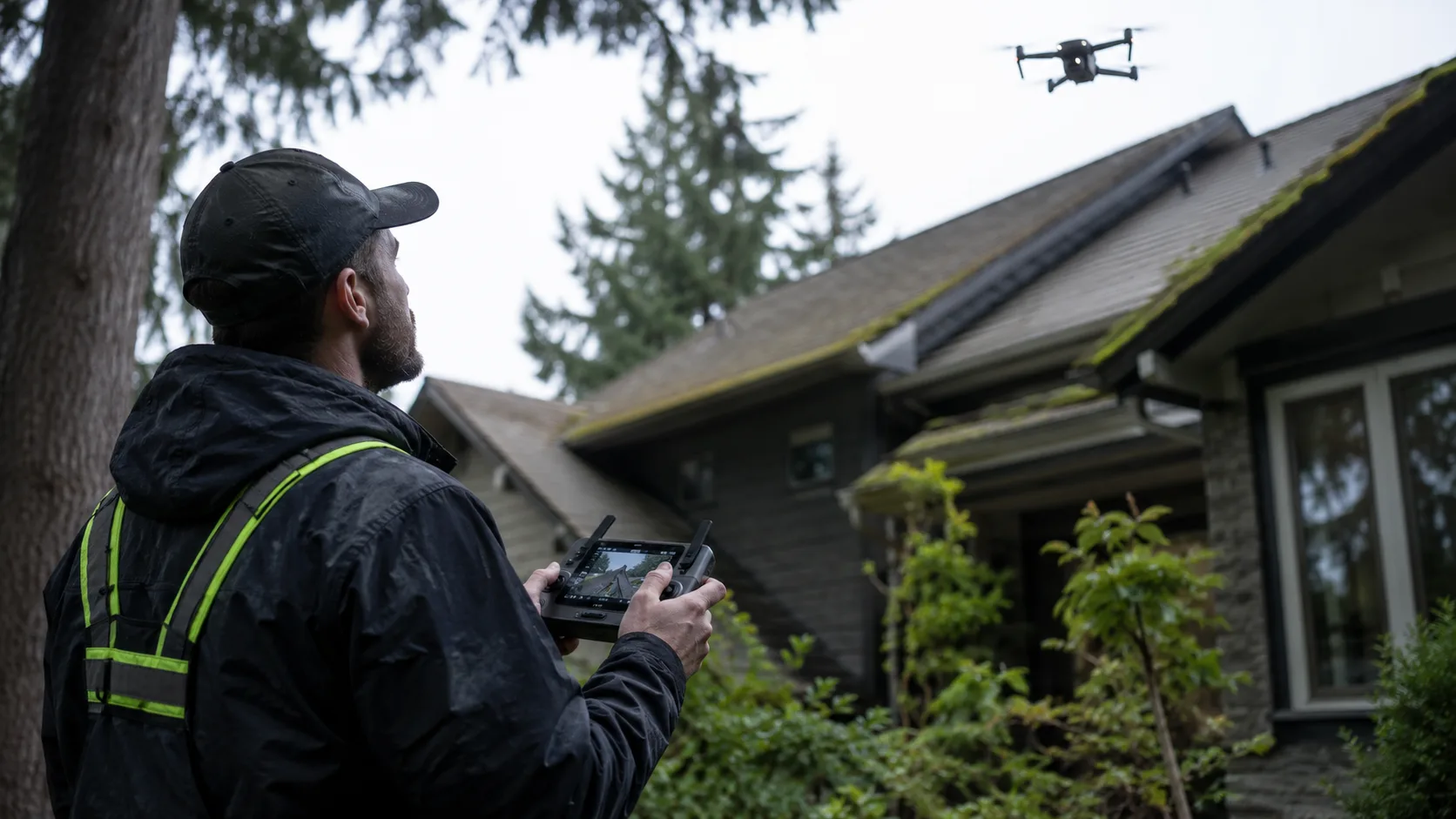
You don't run one ad, so you shouldn't run one page. A storm-emergency searcher and a homeowner pricing a full replacement are two different people with two different worries. So send them to the same generic page and you blur the message for both.
This page leads with speed. "Tarp on today, estimate this week." And the Halifax climate does the selling for you; freeze-thaw cycles and Atlantic wind storms tear up roofs faster here than in milder parts of the country. So roofs in harsher weather simply don't last as long.
"In hail-prone states, average roof lifespan is 15 years vs 22 years in milder western states; 38% of U.S. homes have roofs in moderate to poor condition (Roofing Contractor) with 60% higher loss costs" — Verisk Analytics (2025)
So the storm page can lean on urgency honestly. And a roof that fails seven years early is a real cost, and the homeowner in Eastern Passage staring at a wet ceiling already feels it.
This page slows down. A reroof is a planned spend, and homeowners weigh material and money before they commit. So show options plainly, because most of them pick asphalt anyway.
"Among homeowners undertaking a roofing project, 63% choose asphalt roofing material (dimensional shingles 34%, three-tab shingles 19%, luxury shingles 10%), while 14% choose metal and 11% choose synthetic material or rubber." — Houzz Inc. (2024)
And the replacement page should name a real budget range, because they're already doing the math. So the 2024 median spend gives you an honest anchor.
"In 2024, 22% of renovating homeowners undertook roofing upgrades, with a median spend of $13,000." — Houzz Inc. (2025)
The energy page talks attic insulation and summer heat, not leaks. So it targets the homeowner thinking about their bill, not their ceiling. And an efficiency-minded homeowner in the South End reads about R-value and winter heating, which is a different worry from the storm searcher. So that's a different page from the one your storm ad points to, with a different headline and a different photo.
Getting the form filled is half the job. And the other half happens in the ninety seconds after they hit submit. Because roofing buyers expect you to move fast.
"97% of roofing customers expect a callback within one week. More than 50% expect a callback within two days." — Roofing Contractor Magazine (2024)
So if you call back in three minutes while they still have the wet ceiling on their mind, you win. But call back tomorrow and they've booked the next roofer who answered. And the page can fire a text to your phone the second a lead lands. So that's speed-to-lead, and it's free to set up. Wire the form so submission texts the owner or the office instantly. So the homeowner picks up, because they just filled the form thirty seconds ago. And half your competitors will wait a day. But you answered while it was still raining.
Here's the arithmetic behind all of this, and it's not complicated. Say you spend $2,000 a month on roofing ads and send the traffic to your homepage. And it converts at 3%. So on 400 clicks that's 12 leads. Now build a focused page that converts at 6%, which is normal for a one-ask page. Same 400 clicks, same $2,000, now 24 leads. So you doubled your leads on identical spend.
And at a $4,000 average reroof, even one extra closed job a month pays for the whole thing several times over. So the demand keeps coming through your ads either way. And the only question is whether your page catches it or spills it.
We don't start with a redesign. We start by counting. So we open your current ad destination on a phone, time how long the page takes to load, count the form fields, and check whether the call button survives a scroll. And then we tell you the leak, with a number on it.
So you can see the same lens we use across our inspection of roofing websites across the trade. And it's the public version of how we grade an ad destination, field by field.
But if you want yours looked at, the Site Inspection is free. And there's no sales call to get it. So we open your page on a phone in Clayton Park or Dartmouth, find where the click money leaks, and send you the findings. Then you read it, and you decide what to do next.
The evidence
 Read the full report →
 0
contractor sites graded, one A
Across the whole CRO Index, a single site earned an A. The median landed at a D. The grade gap is a conversion gap.
0 %
of roofing sites fail a critical accessibility check
Scored against WCAG 2.1 AA with axe-core. A page that blocks a screen reader also blocks a paying customer.
Fervor Roofing State of the Industry, 2026
0 %
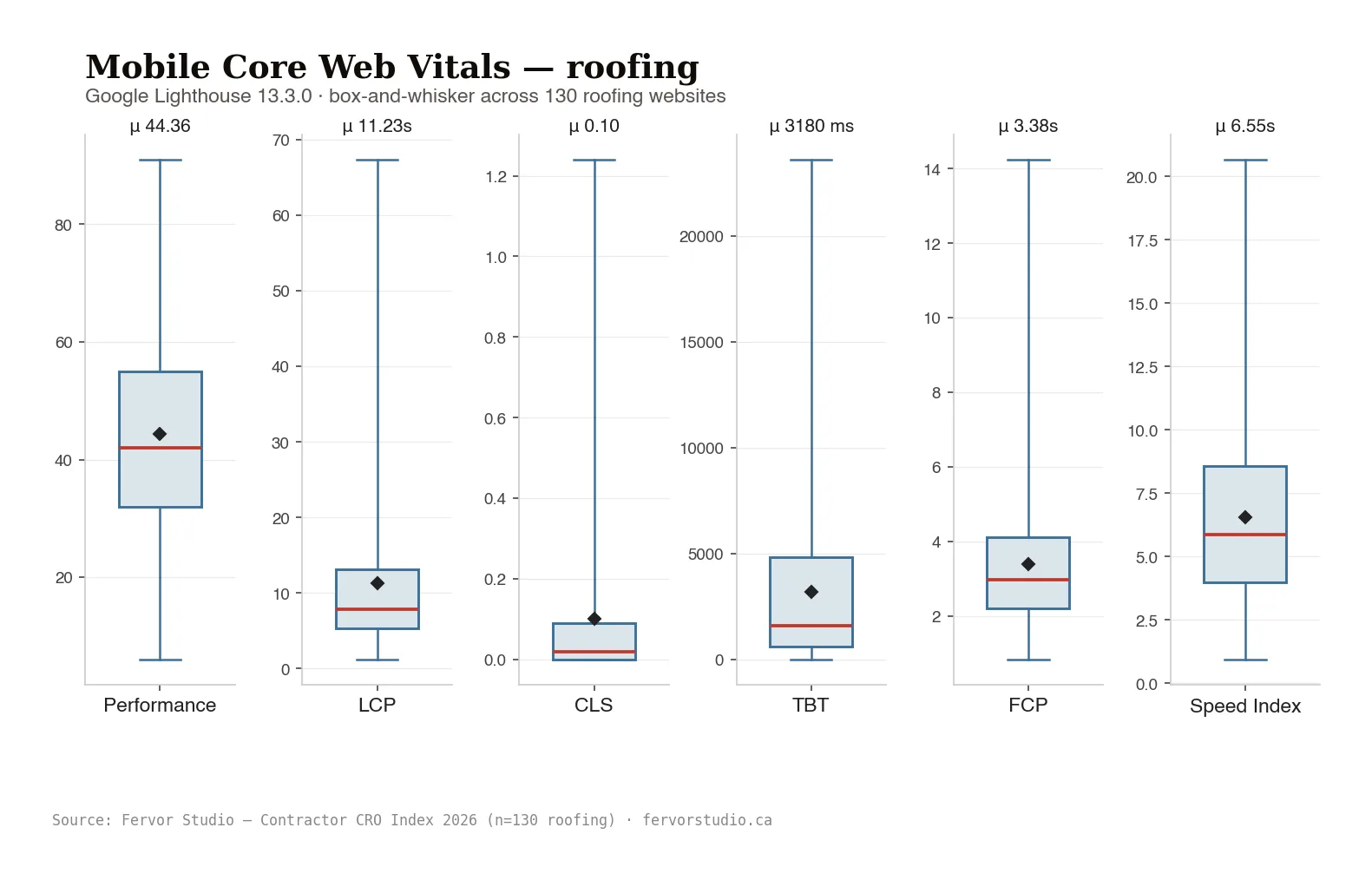
miss Google's mobile load-speed bar
Median mobile load lands at 7.88 seconds. Most of your traffic is on a phone, and most of them are gone before the hero paints.
Fervor Roofing State of the Industry, 2026
0 /100
is the average roofing grade
That is a D. The sites booking the work are not the ones with the biggest crews. They are the ones a few points higher on the things homeowners feel.
Two ways to start
Tell us where you are. We point you at the right next step — no sales call to get there.
Client review
“Nay did an amazing job, you know. He was really patient. He got the work done the way I told him and he was just on point with the website. Pretty straightforward process. No going around the bush. He just did amazing work and I would 100% recommend.”
How Fervor can help
Identify and patch the top conversion killers on your existing site. No full rebuild needed.
Monthly SEO, content, and CRO. Fixed deliverables. No credits, no rollover. The compound growth engine.
Complete website system built to convert storm leads, planned projects, and research-phase homeowners into booked jobs.
GBP optimization, citation building, and review system foundation. The infrastructure that gets you into the Map Pack.
One conversion-built landing page for the referrals, paid clicks, and cold-call leads you send. They land on a page built to book them, not your generic homepage.
Your move
Tell us where you are. We point you at the right next step — no sales call to get there.
Keep going