
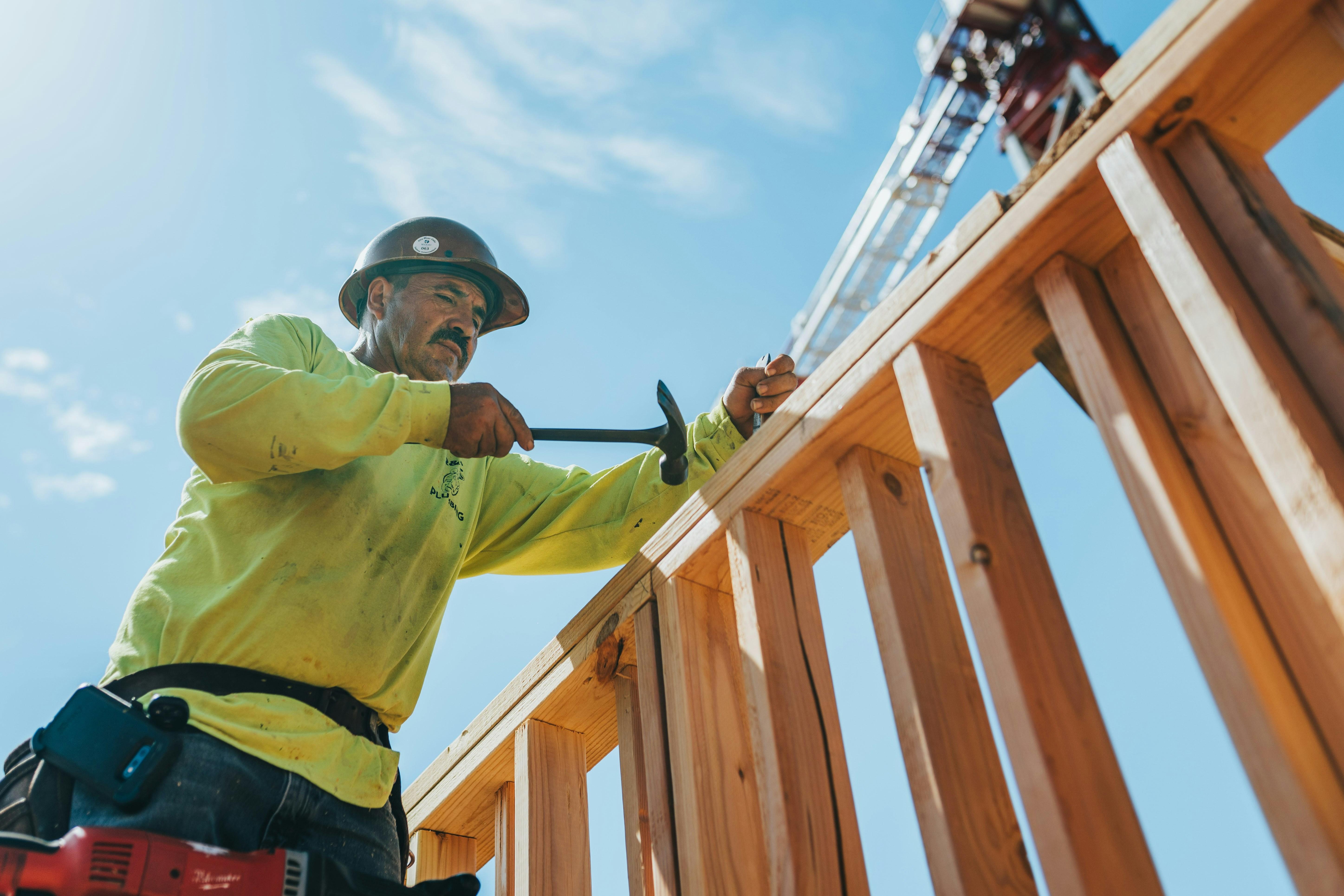
Frank is fifty-four. He has been building homes in the Raleigh-Durham corridor for twenty-two years. Started framing houses for a production builder out of college, went independent at thirty-two, and spent two decades turning empty lots into $800K–$2M residences that families grow up in. His portfolio includes a 4,200-square-foot craftsman on Lake Wheeler that came in $6,000 under budget. A modern farmhouse in Apex with a standing-seam metal roof and white oak staircase. Fourteen homes in Heritage Wake Forest. He is the builder other builders call for advice on structural engineering timelines. Architects, real estate agents, the land broker who handles half the lots in Johnston County — they have fed him steady work since 2008.
March 2026. Lot sales in Wake County jump 23% quarter over quarter. Interest rates ticked down in January. Buyers who sat on land for eighteen months are pulling the trigger. Frank should be fielding calls from couples with survey maps and Pinterest boards full of floor plans.
His phone rings twice that month. Both are past clients asking for referrals to other trades.
Across town, Crestline Homes has been operating for seven years. Smaller crew, no architect partnerships. Their Google reviews sit at 4.3 compared to Frank's 4.9. But in Q1 2026, Crestline signs four new-build contracts totaling $4.8 million. Two of those clients owned lots within three miles of Frank's last completed project.
Crestline's website has a 47-page portfolio organized by home style, square footage, and price range. They publish monthly content on lot selection, build timelines, and material choices. Their Google Business Profile has 340 photos and weekly updates. When a couple in Holly Springs searches "builder near me" on a Sunday afternoon, Crestline shows up in the map pack. Frank's five-page site — built in 2020 — shows up on page three.
Marketing for builders is not about ads or social media stunts. It is the digital infrastructure that captures a buyer during a 12–18 month decision window. That window is where every contract is won or lost.
Why custom home builder marketing requires a fundamentally different approach
You are not selling a commodity. A $1.2 million build is not a roof replacement or a bathroom remodel. The buyer has been thinking about this for years. They have saved, researched floor plans, and driven through neighborhoods on weekends studying lot sizes and setbacks. When they finally start looking for a builder, they evaluate you the way they would evaluate a surgeon — credentials, portfolio, process, communication style.
"In 2024, just 4% of U.S. homeowners undertook new home construction."
— Houzz Inc. (2025)
Four percent. That is the universe you are working with. Generic tactics that work for a plumber chasing emergency calls do not apply here. Your buyer pool is small, high-intent, and doing months of research before picking up a phone. Your marketing has to meet them at every stage of that research.
And here is the part most agencies miss: the buyer is not searching "custom home builder" first. They search "how much does it cost to build a house in [city]" or "best lots for sale in [county]." Your contractor marketing strategy needs to show up for those early-stage queries and guide the buyer through a content journey that positions you as the builder who understands their process.
The 12–18 month buyer journey and what it means for your visibility
A buyer does not wake up on a Tuesday and decide to build a house by Friday. The decision cycle stretches 12–18 months from first serious thought to signed contract. That timeline has distinct phases, and your search strategy needs content mapped to each one.
"Custom home: average build timeline: 11.9 months"
— U.S. Census Bureau (2025)
The build itself averages almost a year. But the decision about who builds it takes just as long. Phase one is dreaming — browsing Houzz, saving Instagram posts, visiting model homes. Phase two is planning — looking at lots, talking to lenders, running cost calculators. Phase three is vetting — searching "custom home builder [city]" and comparing portfolios. Phase four is deciding — requesting meetings, checking references, reviewing contracts.
If your website only appears in phase three, you have already lost the buyers who found a competitor during phase two. A search strategy that works captures buyers in phases two and three with content that answers their actual questions. Cost guides. Build timeline breakdowns. Lot selection advice. Material comparisons. That content builds trust months before they see your contact form.
The keywords that capture lot owners and dreamers
Your keyword strategy cannot look like a roofer's. There is no emergency intent. Nobody searches "builder near me" at 2 AM with water through the ceiling. But there is deep research intent spread across months, and the keywords break into three tiers.
Tier one: builder-specific keywords
"Custom home builder [city]," "luxury home builder [region]," "design build firm near me." These are money keywords — high intent, ready to vet. But they are competitive and the buyer searching these has usually been researching for months.
Tier two: planning-stage keywords
Want to know where your custom home builder website stands? We grade it in 48 hours — no charge, no call required.
"How much does it cost to build a house," "build timeline," "choosing between building and buying." These queries carry huge volume and low competition because most builders are not creating content for them. But these are the buyers you want to reach early in the home builder marketing funnel.
Tier three: lot and location keywords
"Lots for sale in [county]," "best neighborhoods to build in [city]," "land for new home [region]." The buyer searching these is in phase two. They do not have a builder yet. If your content appears here — a guide to building in that area, a post about local zoning and permitting — you are the first builder they encounter.
"In 2024, 90% of U.S. homeowners renovating their homes hired professional help."
— Houzz Inc. (2025)
Ninety percent of homeowners renovating hire professionals. For new construction, that number is functionally 100%. Nobody DIYs a million-dollar build. Every person searching these keywords is a potential client. The question is whether your home builder website captures them or your competitor's does.
What a home builder marketing agency should actually deliver
A home builder marketing agency charging $2,000–$3,000 a month should deliver measurable pipeline, not "brand awareness." Here is the baseline that separates real agencies from those running a generic contractor marketing playbook.
Portfolio architecture that sells
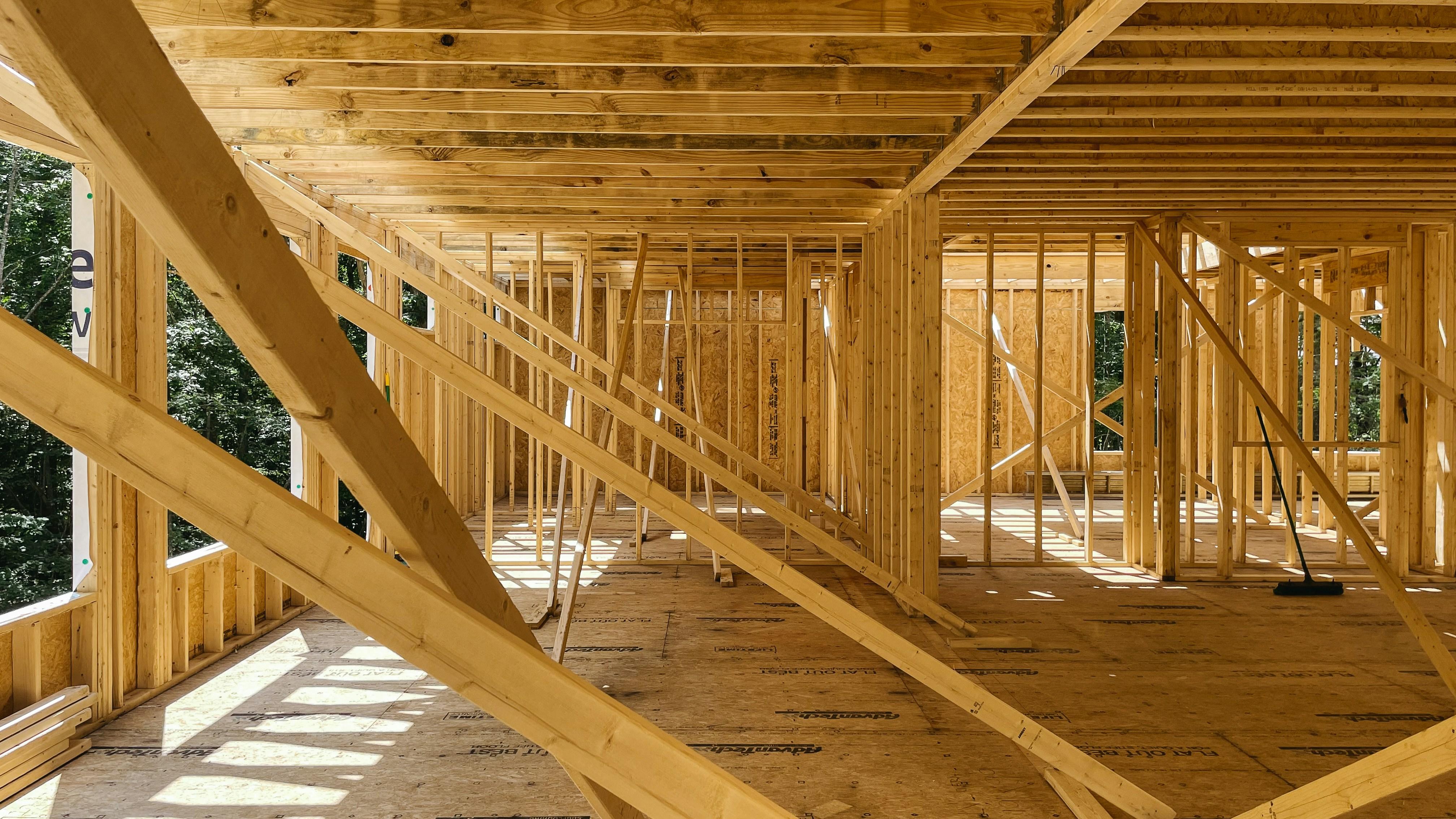
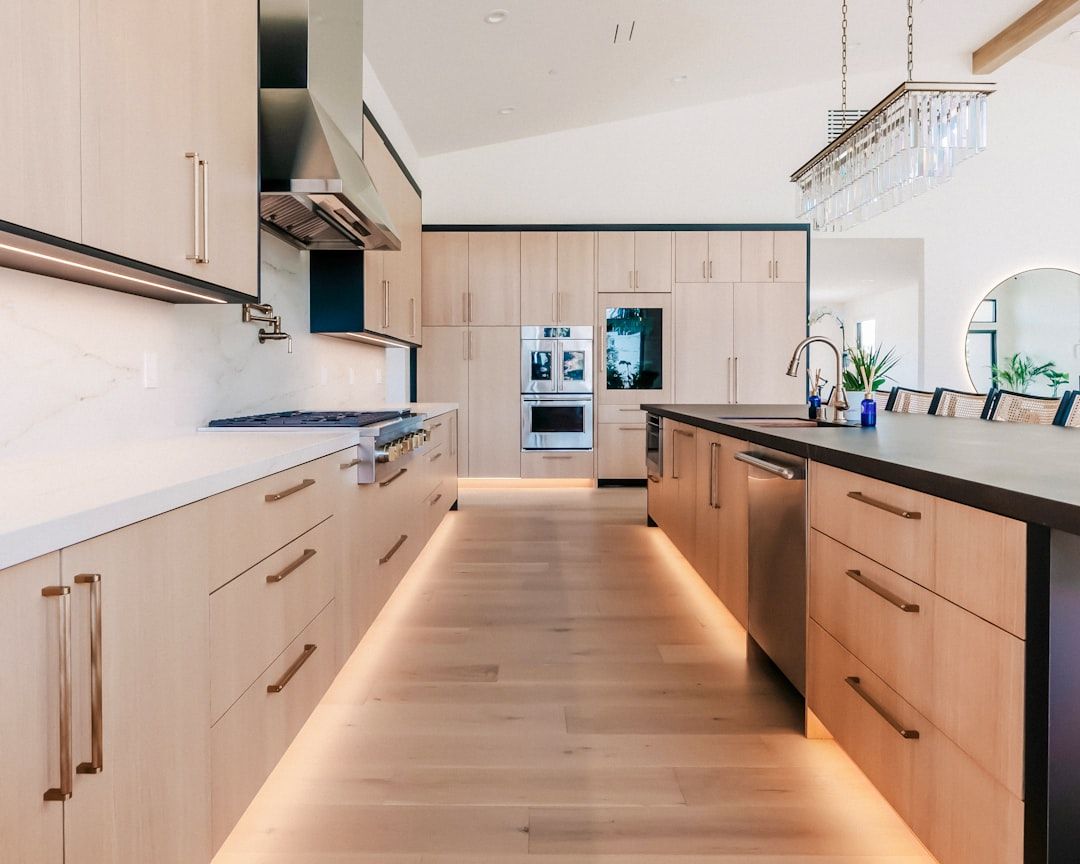
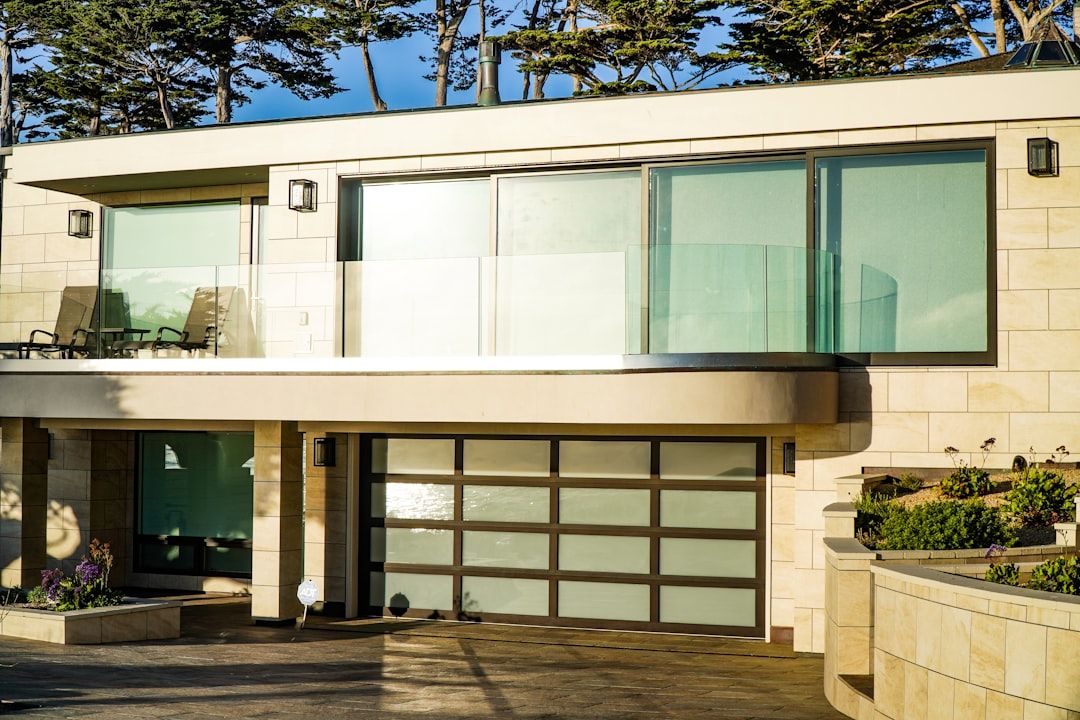
Your website portfolio cannot be a gallery of pretty photos with no context. Each project needs a dedicated page with home style, square footage, lot size, build timeline, key features, and 15–20 professional photos. Google indexes these pages individually. A prospect searching "modern farmhouse build [city]" can land directly on a relevant project page. That is how home builder marketing generates leads — dozens of indexable, keyword-rich portfolio pages matching specific search queries.
Content mapped to the buyer journey
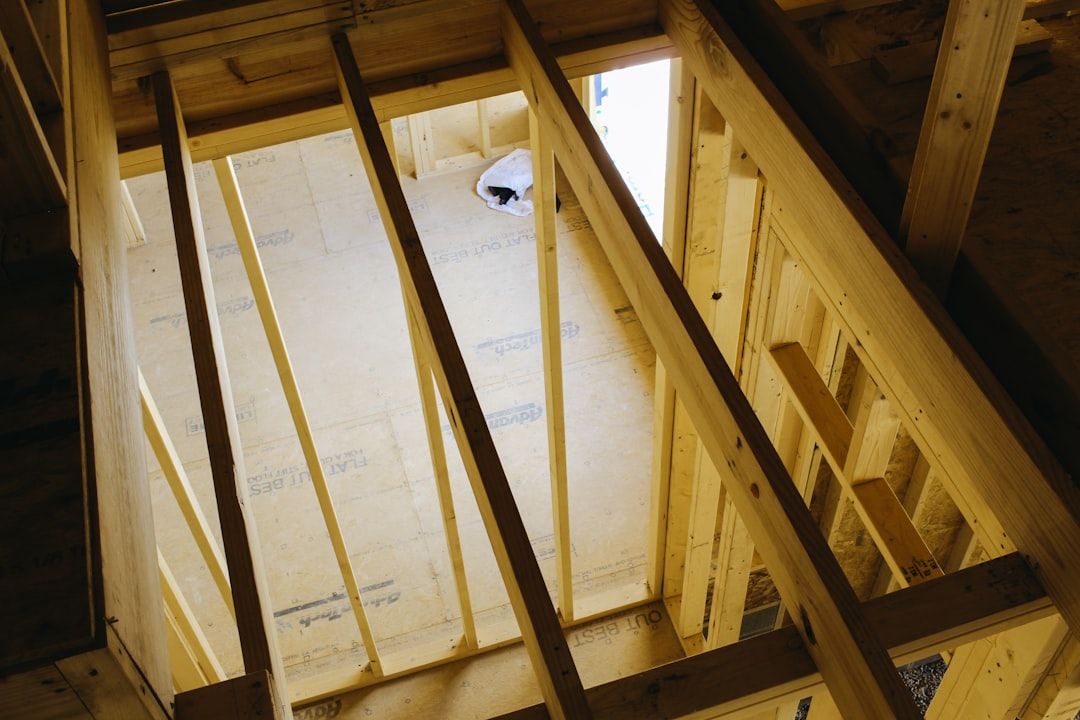
You need at least 12 pieces of content covering buyer questions during each phase. Cost guides. Process explainers. Material comparisons. Location-specific building guides. Timeline breakdowns. Each piece targets a specific keyword cluster and links back to your main service pages. This is not content for content's sake. It is SEO infrastructure for home builder marketing.
"In 2024, 54% of U.S. homeowners undertook home renovation projects."
— Houzz Inc. (2025)
Over half of homeowners renovated in 2024. Within that group, a meaningful percentage are researching whether to renovate or build new. Your content needs to capture both audiences — the renovator who might become a builder, and the buyer who has already committed to new construction.
Local SEO that dominates the map pack
Your Google Business Profile needs weekly posts, fresh project photos, and responses to every review. Your NAP data needs to be identical across every directory. And you need service area pages targeting the specific cities and counties where you build. "Custom home builder [city]" is still the most common search pattern. If you are not ranking in the map pack for your primary service areas, you are invisible to buyers who are ready to vet.
How SEO for builders differs between production and custom
Production builders and custom builders occupy the same industry but completely different keyword universes. Production builders compete on price, speed, and model availability. Custom builders compete on craft, flexibility, and trust. Treating both the same is one of the most common mistakes in builder marketing.
A production buyer searches "new homes under $400K in [city]." A custom buyer searches "design build firm [city]" or "floor plan builder near me." Your SEO strategy needs separate landing pages, separate content, and separate conversion paths. The production buyer wants a price sheet. The custom buyer wants a portfolio and a process walkthrough.
Building your website for conversions
Home builder marketing falls apart when traffic lands on a site that does not convert. Your website needs to do three things in the first five seconds: establish credibility (portfolio shots above the fold), show process clarity (build timeline visible), and present a clear call to action (consultation form, not just "contact us").
The consultation form matters. For a builder whose average project runs $800K–$2M, a generic contact form attracts tire-kickers. Your form should ask for lot status, budget range, and desired timeline. That qualification happens before you spend an hour on a call. See how our site inspection process evaluates conversion architecture for builders.
Social proof strategy for builders
A quarter of homeowners name trust as their top challenge when selecting a contractor. For a buyer committing over a million dollars, that trust barrier is higher. Your marketing needs to systematically address it. Detailed case studies with project timelines, budgets, and client quotes. Video walkthroughs of completed homes. Reviews with specific details — not generic "great to work with" testimonials.
"25% of homeowners say trusting contractors is their top challenge when planning home improvement projects."
— Houzz Inc. (2025)
The builders winning high-value contracts publish full project documentation: lot survey through certificate of occupancy. That level of transparency is rare, which is exactly why it works. Google rewards expertise, and detailed project pages are the strongest trust signal you can send.
Measuring digital marketing for home builders
The sales cycle is long, so the metrics that matter look different than they do for a roofer or a plumber. You cannot measure success by calls per week when a single qualified lead represents a $1.5 million contract.
"In 2024, 49% of U.S. homeowners undertaking renovations hired specialty service providers..."
— Houzz Inc. (2025)
Portfolio page views and time on page — a prospect spending 4 minutes on a project page is deep in the vetting phase
Form submissions with project details — forms that capture lot status, budget range, and timeline
Organic rankings for planning-stage queries — leading indicators of pipeline growth 6–12 months before conversion
Cost per qualified consultation — total marketing spend divided by consultations with lot-ready buyers
Revenue attributed to organic leads — requires CRM tracking from first touch to signed contract
If your agency reports impressions and "keyword visibility scores" without tying them to consultations and signed contracts, you are paying for a dashboard nobody uses. Get a free site inspection instead.
Content strategy that builds topical authority for builders
Google ranks sites that demonstrate expertise across a topic. Your search presence needs supporting content: guides on building materials, comparisons of construction methods, explanations of the permitting process, seasonal planning checklists. Each piece links back to your main service pages and builds the topical depth Google rewards. This is the layer that separates a brochure site from a home builder marketing platform that generates leads.
The content calendar should map to buying seasons. Spring and summer drive lot purchases and build starts. Fall and winter are planning months when buyers are comparing builders, gathering quotes, and securing financing. Publishing cost guides and process explainers in October means you are ranking when the spring research wave starts in January. The same seasonal logic applies to exterior contractors and mechanical trades.
Common mistakes agencies make with builder marketing
The builder marketing space is filled with agencies running the same playbook for every trade. They build a template website, write posts about "5 things to know before building," submit directory citations, and call it SEO. That approach ignores everything that makes the custom build buyer different.
Mistake one: treating the portfolio as an afterthought. Your completed projects are your strongest selling tool. Each one deserves its own indexed page with full project details, not a Lightbox gallery buried under a generic "Our Work" heading.
Your competitors aren't waiting. Book a free site inspection and we'll show you exactly where your builder site is losing leads on searches like "custom home builder near me" — with numbers, not opinions.
Mistake two: ignoring the planning-stage buyer. Builders who only target "[city] builder" miss the 12 months of research that happen before that search. Content targeting cost questions, timeline questions, and lot-selection questions captures the buyer earlier in the funnel.
Mistake three: no differentiation between residential remodeling and new construction in the site architecture. These are different services with different buyers. They need separate pages, separate keyword targets, and separate conversion paths. The same principle applies to foundation repair versus new foundation work.
Frequently asked questions about custom home builder marketing
How long does it take for home builder marketing to generate leads?
Longer than service trades, but the leads are worth significantly more. You're looking at 4 to 8 months for SEO to produce consistent qualified consultations. Custom home buyers research for 6 to 18 months before choosing a builder, so your marketing needs to capture them at the planning stage and nurture them through that cycle. PPC can generate inquiries faster, within 30-60 days, but the quality is lower. The builders who see the best results run SEO for long-term pipeline and PPC for near-term volume.
What marketing channels work best for custom home builders?
SEO and portfolio-driven content are your foundation. After that: Google Ads targeting lot owners and planning-stage searches, Houzz profiles with complete project portfolios, and Instagram or Pinterest for design inspiration content. Email marketing to your past client list generates referrals at almost zero cost. Skip TikTok and Facebook ads for custom builds — the targeting isn't precise enough for a $500,000+ purchase decision. Focus your budget where high-intent buyers actually research: Google search, Houzz, and your own site.
How much should a custom home builder spend on marketing?
Between 1.5% and 3% of your annual revenue for established builders, and 5-8% if you're growing or entering a new market. On a $5 million annual revenue, that's $75,000 to $150,000 per year. That covers your website, SEO, content creation, photography, paid ads, and Houzz presence. The math works because your average project value is $400,000 to $800,000+. You only need 2-3 additional closes per year from marketing to generate a 10x return on that investment.
Do custom home builders need a portfolio website?
You can't close high-end custom home clients without one. This isn't optional. Your portfolio is your most important sales tool. Each completed project needs its own page with professional photography, square footage, lot details, design features, build timeline, and a narrative about the homeowner's vision. We typically build portfolio sections with 8 to 15 individual project pages. Builders with detailed portfolio sites see 40-60% higher consultation request rates than those with a basic image gallery and no project context.
How do you market to lot owners who haven't chosen a builder yet?
Target the keywords they're searching: "how to choose a custom home builder," "custom home building process," "cost to build a custom home in [your area]." Create content that educates them on the process, timelines, and budgeting — that positions you as the expert before they've made a shortlist. Run Google Ads targeting "build on my lot" and "custom home builder near me." And partner with local real estate agents who sell vacant lots. A referral relationship with 3-5 lot-focused agents can generate 8-12 qualified leads per year.
Tools we recommend for this trade
Custom home builders managing 12-to-18-month project timelines need project management that scales. Jobber covers basic scheduling and invoicing. But for tracking change orders, subcontractor schedules, client selections, and draw schedules across a $600,000 build, Buildertrend is purpose-built for the job.
Attribution over an 18-month sales cycle requires proper tracking from day one. CallRail tags every inquiry with the marketing source so when a lot owner finally signs 9 months after their first website visit, you know exactly which content piece brought them in.
How Fervor builds home builder marketing systems
We do not run the same playbook for a builder that we run for an HVAC company or a deck builder. The sales cycle is different. The buyer is different. The content depth required is different. And the stakes per lead are 10–20x higher.
Here is what our process looks like. We pull the top 10 organic results for your primary keywords in your specific market. We count exact term frequency across 10 ranking zones — title, H1, URL, first 100 words, H2s, body, H3s, alt text, anchor text, meta description. We calculate the edge target for each zone by averaging the top 3 results. Then we build a content brief that tells us exactly where each keyword appears and how many times.
For builders, we go further. We build portfolio architecture with individual project pages optimized for style-specific and location-specific searches. We create a content library targeting the full buyer journey. And we set up lead qualification forms that capture lot status, budget, and timeline so you spend consultations on buyers who are ready. Read how we approach structural contractor marketing to see the methodology.
Qualified consultation volume compounds over 6–12 months. Not from ads. From a permanent marketing system that captures the buyer at month three and stays in front of them until month fifteen.
What's included in a Fervor engagement
Booked by Design™ — $20,000–$30,000 · 30–60 days. Your website rebuilt with portfolio architecture, buyer-journey content, keyword-targeted service pages, Google Business Profile optimization, and a local SEO foundation designed for the 12–18 month sales cycle.
Performance Partner™ — $997–$2,497/month · ongoing. Monthly SEO services including content creation, portfolio page builds, GBP management, review generation, and reporting tied to consultations and contracts. See all services.
The Site Inspection — Free · ~3 days. We audit your current site against the top-ranking builders in your local market and show you exactly where you are losing buyers. No pitch. Just the data. Works for any contractor vertical.
The Site Inspection: How The Biggest Custom Home Builder Websites Score on Lead Conversion
We audited these home service brands on 100 points of conversion infrastructure. See what the national players get right, where they leak leads, and what independent contractors can exploit.