
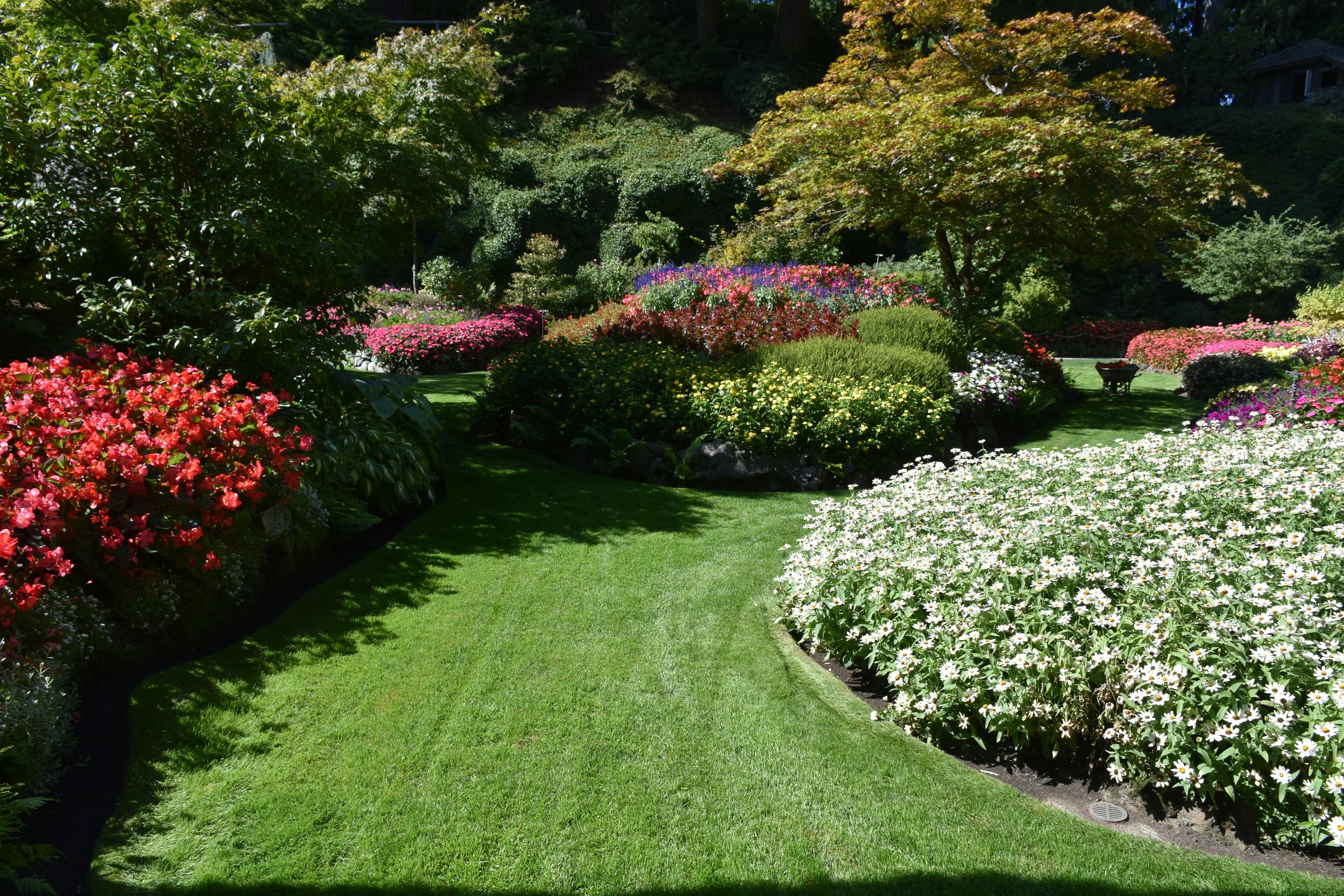
Greg is forty-four. He's been running a landscaping crew out of a mid-size city in Ontario for sixteen years. Started mowing residential contracts at twenty-eight with a used Exmark and a pickup truck he shared with his brother. Built the operation up to nine guys. They handle everything now — weekly maintenance contracts, softscape installs, full design/build projects with retaining walls, patios, outdoor lighting, irrigation. He's got a landscape design certificate from Fanshawe. Two CNLA-certified technicians on staff. His work has shown up in three issues of a regional home and garden magazine.
And every spring, the same thing happens. The snow melts. The frost line recedes. Homeowners across the region start Googling "landscaping companies near me" and "landscape design" and "lawn care services." It's the single biggest revenue window of the year for any landscaper in a northern climate. Eight weeks where 40% of annual contracts get signed.
Greg's phone barely rings.
There's a landscaping company called GreenEdge on the other side of town. Four years in business. No design credentials. Crew of five. Their portfolio is decent but thin — mostly sod installs and basic plantings. But in the eight weeks between mid-March and mid-May? GreenEdge books $180,000 in spring contracts. Forty-three jobs. Design/build projects that should have gone to Greg based on experience alone.
Marketing for landscapers determines who captures the spring rush. That's the whole story. Greg's website is a five-page template from 2020. His portfolio is buried under two navigation clicks. No before/after galleries. No service area pages targeting the suburbs where he actually works. His Google Business Profile has 11 photos, most of them blurry shots taken from a truck cab. GreenEdge? Their site loads in 1.6 seconds. They run before/after photo galleries for every project type. They've got service pages for each city in their coverage area. Their GBP has 280+ photos, weekly posts, and a 4.7 rating with 190 reviews. When a homeowner searches "landscaping near me," GreenEdge shows up in the map pack and the first page of organic results. Greg shows up on page five.

Sixteen years of expertise. Nine employees depending on steady work. And the spring contracts go to whoever Google shows first. That's not a reputation problem. It's a visibility problem. And visibility is what landscaping marketing actually solves.
This story plays out in every market, every spring. The landscaping company with the best crew loses to the landscaping company with the best website. Not because homeowners don't care about quality. They do. But they can't evaluate quality from a search result. They evaluate trust signals: reviews, photos, load speed, how professional the site looks, whether the information matches what they're searching for. Your lawn care expertise doesn't show up on Google. Your marketing does.
Why marketing for landscapers requires a seasonal-first approach
Here's the thing about landscaping that makes it different from, say, plumbing or HVAC. A burst pipe is an emergency. A broken furnace in January is an emergency. Landscaping isn't an emergency — it's a season. And that seasonal pattern shapes everything about how your landscaping company should market itself.
"Year-over-year exterior spending projected to rise 2.4% in Q1 2026."
— Harvard Joint Center for Housing Studies (2025)
With exterior spending climbing 2.4% heading into Q1 2026, the spring window is getting more competitive, not less. Every landscaper in your market is chasing the same homeowners during the same eight-to-ten-week period. So the question isn't whether you should invest in landscaping marketing. The question is whether your marketing is ready before the season starts.
Because here's what actually happens. Most landscapers think about marketing in April — when the phone should already be ringing. By then, the homeowners who plan ahead have already booked their spring projects in February and March. The ones searching in April are comparing three or four companies they found on Google that morning. If you're not in that initial search result, you're not in the conversation. Doesn't matter how good your work is.

The pre-season content calendar most landscaping companies skip
A seasonal-first approach means your SEO content, your Google Business Profile, your landing pages, and your ad campaigns are built and optimized before the demand wave arrives. You don't build the dam after the river floods. You build it in December so it's ready when the snow melts.
For a landscaping company in a northern climate, that means publishing spring service pages in January. Updating your lawn care pricing page in February. Posting fresh project photos from last season's best work to your GBP in early March. Running a small geo-targeted ad campaign to warm up your audience before the organic traffic surge hits. By the time homeowners are searching in earnest, your content is already indexed, already ranking, already building the authority Google rewards.
What happens when you start marketing in April instead of January
We see this every year with landscaping companies who call us in May asking why they missed the spring rush. And the honest answer is the same every time. You were building your marketing while your competitors were harvesting theirs. Google doesn't index and rank a new page overnight. It takes six to twelve weeks for fresh content to start earning organic traffic. If you publish a "spring lawn care" page on April 1st, it might start pulling traffic by mid-June. By then, your spring window is already closing. The landscaping leads you needed in April went to the company that published their content in January.

And it compounds in the wrong direction too. The landscaping company that started their SEO in January has three months of engagement signals — clicks, time on page, return visits — by the time April rolls around. Google sees that and pushes them higher. Your brand-new page has zero engagement signals. So not only are you late, you're competing against a head start that gets bigger every week. That's why the advice is always the same: the best time to start your landscaping marketing was six months ago. The second best time is today. But "today" does not mean "when the phone isn't ringing." It means right now, in the off-season, when the work you do has twelve weeks to compound before demand shows up.
This is one reason we built our free site inspection — so landscaping companies can see exactly where they stand against local competitors before the next season arrives.
Landscaping leads: the spring window and how to capture it
Landscaping leads follow a predictable curve. Searches for "landscaping companies near me" start climbing in late February, peak in April and May, then gradually taper through summer before dropping off in October. That peak period — roughly mid-March to mid-May — accounts for a disproportionate share of annual revenue for most landscaping businesses.
"Landscaping: CTR 4.69% — lowest click-through rate in home services."
— LocaliQ (2025)
And here's what makes it harder. Landscaping has the lowest click-through rate in home services at 4.69%. That means for every 100 people who see your listing in search results, fewer than 5 actually click through to your site. Compare that to plumbing or HVAC where urgency drives higher click rates. Landscaping is a considered purchase. Homeowners browse. They compare. They look at photos. They read reviews. Then they click on the landscaping company that looks the most credible in those first few seconds of scanning.

Why search visibility alone doesn't generate landscaping leads
So capturing landscaping leads during the spring window requires two things working together. First, you need to actually appear in search results — that's the SEO and local search piece. Second, your listing and your site need to convert browsers into callers. Before/after galleries. Clear service descriptions. Reviews visible immediately. A phone number or form that doesn't require three clicks to find.
The companies winning the spring rush aren't necessarily better landscapers. They're the ones who made it easy for a homeowner to find them, trust them, and contact them in under sixty seconds. That's the whole playbook for generating lawn care leads and design/build inquiries during peak season.
Why "near me" searches dominate landscaping lead generation
Something interesting happens with landscaping leads compared to other home services. The "near me" modifier shows up in a huge percentage of landscaping searches — much more than trades like HVAC or plumbing. And it makes sense when you think about it. Nobody wants a landscaping company driving forty-five minutes to mow their lawn. Proximity matters because landscaping is a repeat-visit service. Weekly mowing, bi-weekly maintenance, seasonal cleanups. Your crew is at that property regularly. So homeowners default to searching for the closest option.
What this means for your landscaping marketing: service area pages aren't optional. They're mandatory. Every city, every township, every suburb where your landscaping company operates needs its own dedicated page. Not a paragraph on your "Areas We Serve" page. A full page with unique content about the services you offer in that specific area, the types of properties you work on there, and photos from actual projects in that neighbourhood. Google rewards geographic specificity. So does the homeowner who wants to see that you've done work on their street.
Want to know where your landscaping website stands? We grade it in 48 hours — no charge, no call required.

How to build a maintenance contract funnel from organic search
There's a second layer to landscaping leads that most marketing agencies miss entirely. The spring rush isn't just about one-time projects. It's the single best time to sign recurring maintenance contracts — weekly mowing, seasonal cleanups, fertilization programs, irrigation management. A single residential maintenance contract is worth $2,160 per year on average. Over a four-year retention period, that's $8,640 per customer.
So your website needs a dedicated maintenance agreement page with tiered plans. Bronze, silver, gold — whatever you want to call them. Online sign-up that doesn't require a phone call. And SEO content targeting "lawn care services [your city]" and "lawn care near me" alongside your broader landscaping marketing. Because the homeowner searching for weekly mowing is a completely different buyer than the one searching for a $25,000 backyard redesign. But both of them are valuable. And both of them are searching right now.
From mow-and-go to design/build: how SEO attracts higher-value clients
Most landscaping companies start with maintenance. Weekly mowing, seasonal cleanups, maybe some mulching. It's steady work, but the margins are thin and the competition is brutal — every kid with a mower and a Kijiji ad is a competitor for basic lawn care.
The real revenue jump happens when you move into design/build. Patios. Retaining walls. Outdoor kitchens. Landscape lighting. Full-property design plans. These projects range from $8,000 to $50,000+, and the homeowners searching for them use completely different keywords than the ones looking for weekly mowing.
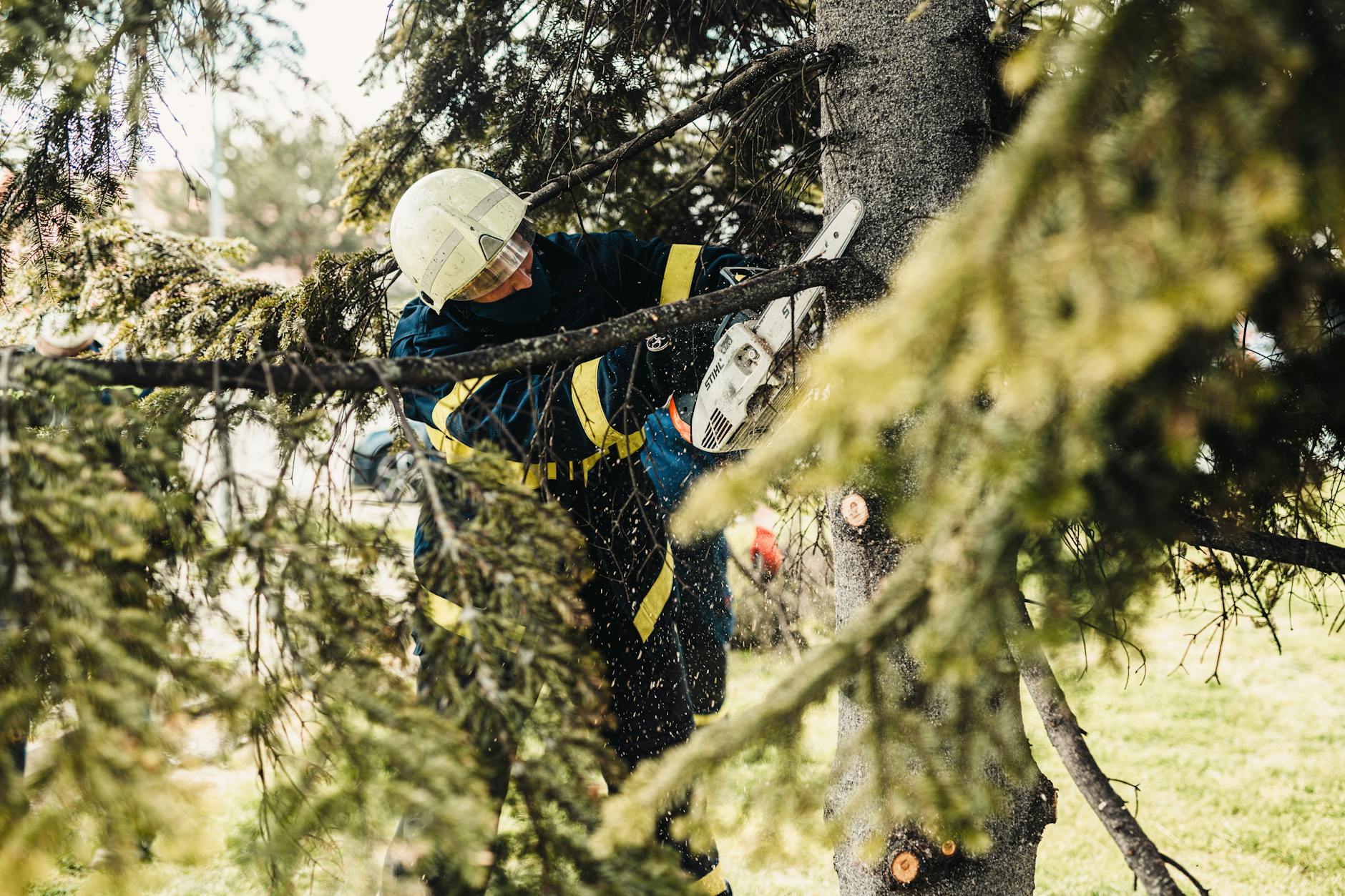
"In the U.S., 78% of homeowners doing outdoor renovations included a new lighting upgrade; 48% added a new planting."
— Houzz Inc. (2024)
When 78% of homeowners doing outdoor renovations include lighting and nearly half add new plantings, the design/build opportunity is enormous. But those homeowners aren't searching "lawn care near me." They're searching "landscape designer," "outdoor living space ideas," "patio installation [city name]," "retaining wall contractor." If your website only targets mowing keywords, you're invisible to the highest-value clients in your market.
Keyword mapping by service tier for your landscaping company
SEO for landscaping businesses needs to match the full range of services you offer. That means separate landing pages for maintenance, separate pages for design/build, and separate pages for specialty services like irrigation or outdoor lighting. Each page targets the specific keywords that specific buyer is typing.
A homeowner searching for a $25,000 backyard redesign and a homeowner searching for weekly mowing are two completely different people with different expectations, different budgets, and different search behaviour. Your landscaping marketing has to speak to both. And it has to do that with dedicated pages, not one catch-all "services" page that tries to rank for everything and ends up ranking for nothing.
Why your portfolio is probably costing you design/build leads
Here's something we see constantly with landscaping companies. They've got beautiful work — stunning patio installations, retaining walls that follow natural contours, outdoor lighting that transforms a yard at dusk. But their portfolio is either buried three clicks deep on their site, organized as one giant gallery with no categories, or worst of all, not on their website at all. Just sitting in an Instagram feed that Google can't crawl.
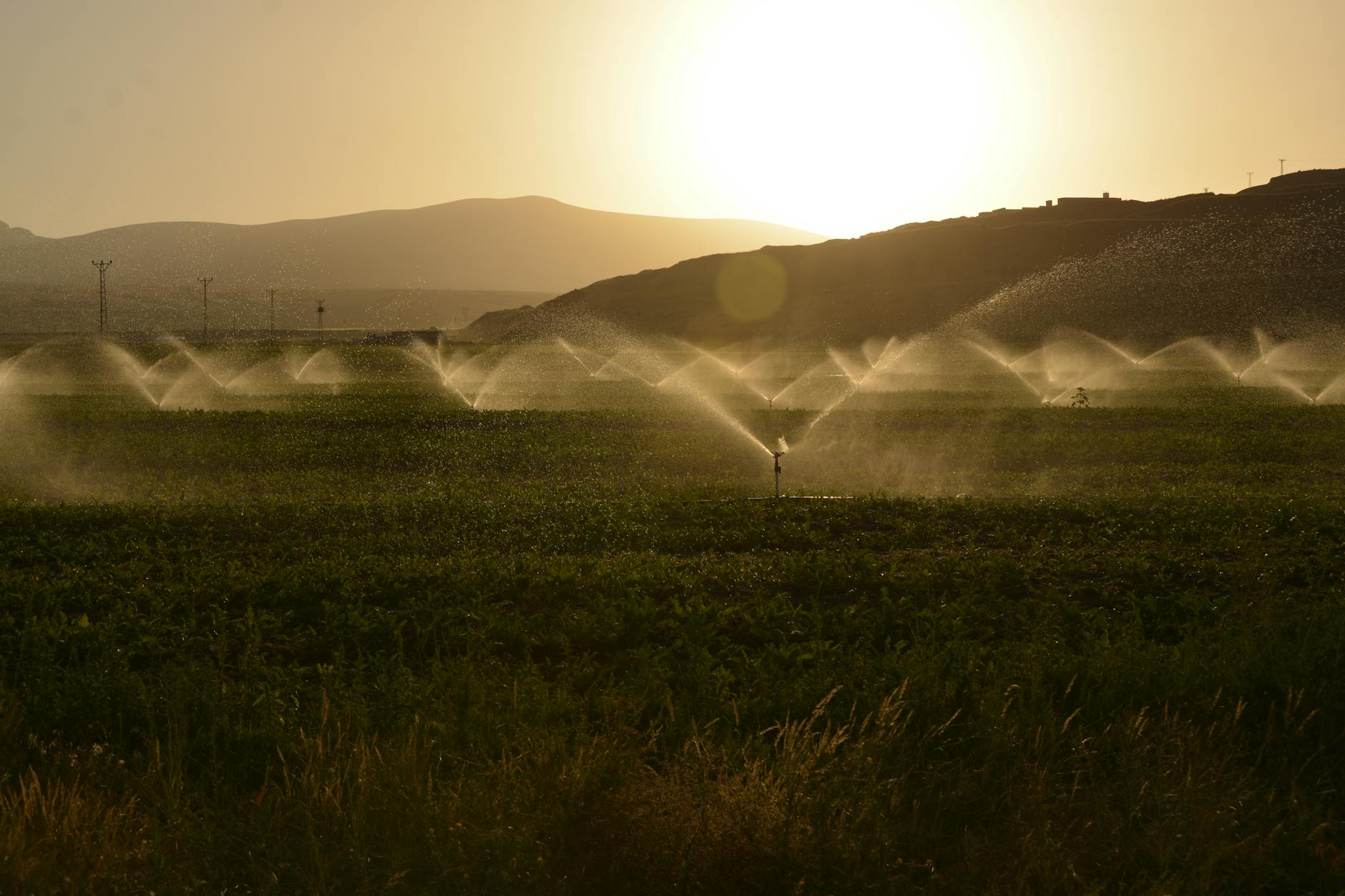
A design/build portfolio needs to be organized by project type: patios, retaining walls, outdoor kitchens, water features, landscape lighting, plantings. Each category gets its own page with before/after images, brief project descriptions (scope, timeline, approximate range), and a clear call-to-action. This isn't just a gallery — it's a conversion tool. When a homeowner sees a backyard that matches their vision, they contact you pre-sold on the concept. That shortens your sales cycle and increases your close rate because the landscaping leads come in warmer.
And here's a detail most landscaping companies miss entirely. Your image alt text matters for SEO. Every before/after photo in your portfolio should have descriptive alt text — "paver patio installation with retaining wall in [city name]" rather than "IMG_4521." Google can't see your photos. It reads the alt text to understand what the image shows. When your alt text includes your target keywords and location, those images can rank in Google Image Search and drive additional landscaping leads from a channel most of your competitors aren't even thinking about.
What landscaping marketing should actually include (beyond the basics)
If you've worked with a marketing agency before and came away feeling like you paid for a bunch of activity that didn't move the needle, you're not alone. Most landscaping marketing ideas you'll find online are generic: "post on social media," "get more reviews," "run Google Ads." None of that is wrong, exactly. But it's incomplete.
"25% of homeowners say trusting contractors is their top challenge when planning home improvement projects."
— Houzz Inc. (2025)
A quarter of homeowners say trust is their biggest challenge when hiring contractors. So your landscaping marketing isn't just about visibility — it's about building trust before that first phone call ever happens. And that requires a system, not a checklist of tactics.
A website built for conversion, not just aesthetics
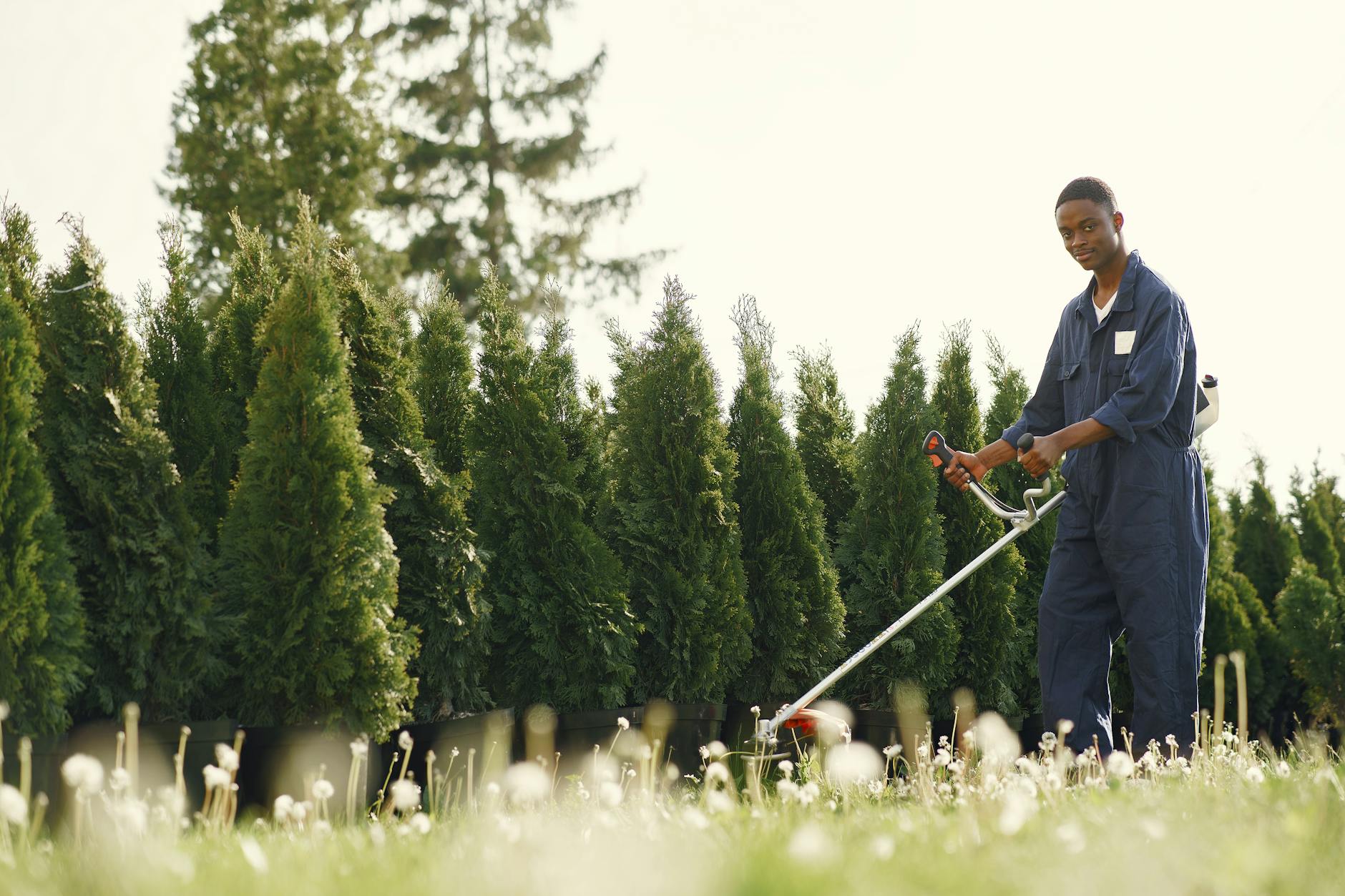
This means fast load times — under 2 seconds on mobile. Before/after galleries organized by project type. Service area pages targeting every city your landscaping company works in. Clear pricing signals (not exact numbers, but enough context that the homeowner knows whether they're in the right ballpark). And calls-to-action on every page that don't require scrolling to find. Your site is where landscaping leads either convert or bounce. Make it easy.
Our revenue loss calculator shows landscaping companies exactly how much slow load times and buried CTAs are costing them in lost leads every month.
Google Business Profile: the free asset most landscaping companies neglect
Weekly posts, fresh project photos, review responses within 24 hours, accurate service area and hours. This is free visibility that most landscapers neglect. Your GBP listing is often the first thing a homeowner sees — before your website, before your social media, before anything else. And for a landscaping company, the visual impact of your GBP photos matters more than almost any other trade. Homeowners are buying aesthetics. They want to see what you can do to their yard. Stock photos of generic green lawns won't cut it.
Local SEO that targets your actual service area
Not just "landscaping [state name]" but "landscape design [specific city]," "lawn care [specific suburb]," "patio installation [specific township]." The more specific your targeting, the more qualified your traffic. Every city and township your landscaping company serves needs its own optimized service area page. That's how you show up when someone searches "landscaping near me" from a specific neighbourhood you actually work in.

This local SEO approach is how we help exterior contractors dominate map pack results across their full service area.
Content that builds topical authority for your landscaping company
Guides on landscape maintenance schedules, comparisons of paving materials, explanations of the design/build process, seasonal checklists for lawn care. Each piece of content signals to Google that your site is an authority on landscaping — and each piece creates another entry point for a potential customer to find you. Topical authority is what separates a landscaping company website that ranks on page one from one that sits on page five collecting dust.
And review generation. An automated system that texts clients after project completion with a direct link to your Google review page. Because a landscaping company with 200 reviews and a 4.6 rating will outperform a company with 20 reviews and a 5.0 rating every time. Volume and recency matter more than perfection.
Why your landscaping company needs separate pages for commercial and residential
A property manager searching "commercial landscaping maintenance" and a homeowner searching "lawn care near me" have completely different needs, budgets, and decision timelines. The property manager wants reliability, insurance documentation, and a multi-property discount. The homeowner wants curb appeal, seasonal colour, and someone who shows up on time. One page cannot rank for both. And one page definitely can't convert both.
Separate commercial and residential landing pages double your search visibility. Your commercial page targets "commercial landscaping [city]," "property management landscaping," "HOA landscaping contractor." Your residential pages target "lawn care near me," "landscape design [city]," "patio installation." Each page speaks directly to that buyer's priorities, uses their language, and shows portfolio examples that match their type of property. A property manager doesn't want to see photos of residential flower beds. And a homeowner doesn't want to scroll past parking lot maintenance contracts to find backyard design inspiration.
"Homeowner-reported difficulty finding qualified contractors rose to 58% in 2024."
— Houzz Inc. (2024)
When 58% of homeowners say finding qualified contractors is difficult, the landscaping company that makes itself easy to find and easy to evaluate wins disproportionately. That's not about being the best landscaper. It's about being the most visible and most trustworthy-looking result on the screen when someone searches.
Landscape advertising: when paid ads make sense (and when they don't)
Let's talk about landscape advertising and paid search. Google Ads can generate landscaping leads fast — faster than SEO, certainly. But paid ads come with a catch that most landscaping companies learn the hard way. The moment you stop paying, the leads stop. There's no compounding effect. No residual visibility. Just a monthly bill and a faucet you can turn on and off.
That said, there are specific moments when landscape advertising through paid channels makes sense for a landscaping company. Early spring before your organic content has fully ramped up. When you're launching a new service line like outdoor lighting or irrigation and don't have organic rankings yet. Or when you're entering a new geographic market and need immediate visibility while your local SEO builds.
How to balance paid ads with organic landscaping marketing
The landscaping companies we see growing sustainably at 15-25% per year use a specific pattern. They run paid ads during the spring ramp-up (March through mid-April) to capture early-season demand. Then they taper ad spend as organic traffic picks up in late April and May. Through summer and fall, organic search and GBP visibility carry the majority of lead generation. Paid campaigns come back in a targeted way for specific services — "outdoor lighting installation" in October, "snow removal" in November — where seasonal intent spikes and organic content might not rank yet.
The key insight for lawn care leads and landscaping leads alike? Paid ads should supplement your organic strategy, not replace it. If you're spending $3,000 a month on Google Ads and $0 on SEO, you're renting all your traffic. One budget cut and you disappear entirely.
Where social media fits in your landscaping marketing mix
We get this question from every landscaping company we talk to. "Should we be on Instagram? Facebook? TikTok?" And the answer is yes — but with a caveat. Social media doesn't generate landscaping leads directly the way search does. What it does is build the trust layer that makes your search presence convert better. A homeowner finds your landscaping company on Google, clicks through to your site, then checks your Instagram to see recent work. If your feed is full of beautiful before/after transformations posted consistently, that homeowner calls. If your last post was nine months ago, they bounce back to Google and click on the next result.
So social media for a landscaping company isn't about going viral or chasing followers. It's about maintaining a consistent feed of real project work that serves as a visual portfolio. Post every completed project. Tag the neighbourhood. Use relevant hashtags. And link back to the relevant service page on your website. That's the whole social strategy. It takes fifteen minutes per project and it compounds your landscaping marketing over time because every post is another trust signal a potential customer can verify.
Measuring landscaping marketing ROI (the four numbers that actually matter)
Here's where most landscapers get frustrated. You're spending money on landscaping marketing, but can you actually trace a dollar from your marketing budget to a signed contract? If you can't, you're guessing. And guessing with a $1,500-$2,500 monthly marketing budget adds up to real money over a year.
"Annual homeowner remodeling spending record of $524 billion forecast for early 2026."
— Harvard Joint Center for Housing Studies (2025)
With $524 billion in remodeling spending forecast for early 2026, there's no shortage of demand. The question is whether your landscaping marketing system captures your share. And the only way to know is measurement.
Four numbers tell you whether your landscaping marketing is working:
Calls from organic search — tracked via call tracking numbers assigned to your website. Not total calls. Calls specifically from people who found your landscaping company through Google.
Form submissions from organic landing pages — tracked through form analytics. How many people filled out your contact form after arriving via search? These are your warmest landscaping leads.
Cost per lead from organic — your total monthly SEO investment divided by total organic leads. This number should decrease over time as your organic presence compounds. That's the beauty of landscaping marketing that's built on SEO rather than ads alone.
Revenue attributed to organic leads — requires tracking from first contact through signed contract. A CRM that tags lead source makes this straightforward. This is the number that proves your landscaping marketing is actually driving revenue, not just traffic.
If your current marketing provider can't show you these four numbers in a monthly report, you're paying for activity, not results. Landscaping marketing ideas are easy to find. Landscaping marketing accountability is rare.
What good ROI actually looks like for a landscaping company
Let's put real numbers on this. Say your landscaping company invests $2,000 per month in SEO and content. After six months of compounding, your site generates 40 organic leads per month. Your close rate is 35% — that's 14 new clients. If the average project value is $3,500 (a mix of maintenance contracts and small hardscape jobs), that's $49,000 in monthly revenue from a $2,000 investment. And the cost per lead keeps dropping every month because organic traffic compounds while your investment stays flat.
Compare that to paying $3,000 per month for Google Ads that generate 25 leads. Same close rate gives you 8.75 clients and $30,625 in revenue. Not bad — but the moment you stop paying, revenue from that channel drops to zero. With landscaping marketing built on SEO, you could pause your investment for two months and still generate leads from content that's already ranking. That's the compounding effect that makes organic landscaping marketing fundamentally different from paid landscape advertising.
And if you want to see these numbers for your own site right now, our Contractor CRO Index benchmarks landscaping companies against industry conversion standards.
Frequently asked questions about marketing for landscapers
When should landscaping companies start marketing for spring?
Your competitors aren't waiting. Book a free site inspection and we'll show you exactly where your landscaping site is losing leads on searches like "landscaper near me" — with numbers, not opinions.
January. Not March, not February. January. The homeowners who book $15,000+ hardscape projects start researching 8 to 12 weeks before they want work to begin. If you wait until the snow melts to start running ads and publishing content, you're competing against every landscaper who started earlier. Your Google Business Profile should be updated with spring services by mid-January. Content targeting spring keywords should be live by early February. And your PPC campaigns should ramp up 6 weeks before your local season starts.
How much should a landscaping company spend on marketing?
Between 5% and 10% of your gross revenue, depending on how aggressively you want to grow. A landscaping company doing $800,000 annually should be spending $40,000 to $80,000 on marketing per year. That includes your website, SEO, paid ads, and content creation. Companies spending under 3% are usually losing market share to competitors who are investing more. And if you're under $500,000 in revenue and trying to scale, push closer to 12-15% to build the pipeline that gets you to the next tier.
What's the best way to get landscaping leads in the off-season?
Content marketing targeting planning-stage homeowners. People don't stop thinking about their yards in November. They start budgeting for next year's projects. Publish content around cost guides, design inspiration, and project timelines. Run retargeting ads to everyone who visited your site during peak season but didn't convert. And build out your hardscape and snow removal pages if you offer those services. The landscapers who maintain steady lead flow year-round are the ones creating content during months when their competitors go quiet.
Should lawn care companies have separate pages for each service?
Yes. Every single service gets its own page. Mowing, fertilization, aeration, overseeding, weed control, leaf removal, spring cleanup, fall cleanup. Each one. Google ranks individual pages, not sections within a page. When a homeowner searches for "lawn aeration service near me," the company with a dedicated aeration page that covers pricing, timing, process, and benefits will outrank the company that lists aeration as a bullet point on a general services page. We typically build 12 to 20 service pages for lawn care companies.
How do landscapers compete with large franchise operations online?
You beat franchises by owning local search. Franchises have brand recognition but their SEO is usually generic. Corporate templates. Same content across every market. You can outrank them by building location-specific pages with real project photos from your area, earning reviews that mention your city by name, and creating content that references local soil conditions, climate zones, and HOA requirements. A local landscaper with 150 Google reviews and 20 city-specific pages will outrank a national franchise in the local pack 8 times out of 10.
Tools we recommend for this trade
Landscaping companies running route-based crews need scheduling software that optimizes drive time. Jobber handles route optimization, automated appointment reminders, and invoicing for recurring maintenance clients. It's built for exactly the kind of high-volume, multi-stop days that lawn care and landscaping crews run.
If you're running spring PPC campaigns alongside your SEO, CallRail tells you which channel is producing the $15,000 hardscape leads versus the $200 mowing inquiries. That distinction matters when you're allocating next month's marketing budget.
How Fervor builds landscaping marketing systems that compound
The process for landscaping companies is the same as every trade we serve — starting with a free site inspection where we audit your current site against the actual top-ranking competitors in your specific market. Not national benchmarks. Your local competitors. The landscaping companies that are currently outranking you and taking the leads that should be yours.
"Current Conditions Index for exterior/remodeling reached 71 in late 2025."
— National Association of Home Builders (2026)
With the NAHB's Current Conditions Index for exterior work sitting at 71, demand is solid. But solid demand doesn't help your landscaping company if your website isn't capturing it. Here's what our process looks like for landscaping companies specifically.
We pull the top 10 organic results for your primary keywords — "landscaping companies [your city]," "landscape design [your city]," "lawn care [your city]." We count exact term frequency across 10 ranking zones: title tag, H1, URL, first 100 words, H2s, body copy, H3s, image alt text, internal anchor text, and meta description. We calculate the edge target for each zone — the average of the top 3 competitors — and build a mathematical content brief that tells us exactly where and how often each keyword needs to appear.
Why mathematical content briefs beat guesswork for landscaping SEO
Most landscaping marketing agencies write content based on vibes. They produce a "top 10 landscaping trends" blog post, sprinkle in some keywords, and hope for the best. We don't do that. We reverse-engineer exactly what Google is rewarding in your market, then build content that matches or exceeds those signals. It's not a guess. It's a formula. And the formula works because we're not inventing anything — we're reading what Google is already telling us about what it wants to rank.
Then we write the content. Not blog posts about "5 landscaping trends for 2026." Real service pages, real project galleries, real content that targets the exact phrases your potential clients are typing into Google during the spring rush and throughout the maintenance season.
Organic lead volume builds over 6 to 12 months for landscaping companies because the whole system compounds. Every new service page, every new review, every new project gallery photo adds to the signal Google uses to decide who ranks first. It doesn't reset to zero when a campaign budget runs out. That's the difference between landscaping marketing that works and marketing that just costs money.
You can see similar systems built for other exterior trades like roofing SEO — same process, different trade-specific keyword universe.
We also do this for painting contractor marketing and every other exterior trade in our vertical.
And if you want to see how fencing contractor marketing works with the same seasonal-first approach, that page walks through the whole system.
What's included in a Fervor landscaping marketing engagement
Booked by Design™ — $10,000–$15,000+ · 30–60 days
Your landscaping website rebuilt from the ground up with conversion architecture. Keyword-targeted service pages for every service you offer — maintenance, design/build, hardscaping, irrigation, lighting. Google Business Profile optimization. Local SEO foundation with service area pages for every city and township your landscaping company covers. Before/after gallery system organized by project type. And a content framework that builds topical authority month over month so your landscaping leads keep growing.
Performance Partner™ — $997–$2,497/month · ongoing
Monthly landscaping marketing including content creation, GBP management, review generation automation, seasonal keyword adjustments timed to your market's spring rush, and monthly reporting tied to actual leads and revenue. Not impressions. Not rankings. Leads and revenue. This is where landscaping leads compound over time and lawn care leads become a steady pipeline instead of a spring-only burst.
Booked by Design is our flagship build. It's how we turn a landscaping company website from a digital brochure into a lead generation system.
The Site Inspection — Free · ~3 days
We audit your current site, score it against your local competitors, and show you exactly where you're losing landscaping leads. No pitch deck. No generic recommendations. Just the data from your specific market and what it would take to outrank the landscaping companies currently beating you. It's a complete landscaping marketing gap analysis, and it's free because the data speaks for itself.
Ready to see the gaps? Book your free site inspection and we'll have your competitive analysis back within three business days.
Every landscaping company starts the same way. The data tells us what Google wants to see. We build what Google wants to see. Then your phone rings more. It's not magic. It's math. And the landscaping companies willing to trust the math are the ones capturing the spring rush while their competitors are still updating their Facebook page and hoping for the best.
The Site Inspection: How The Biggest Landscaping Websites Score on Lead Conversion
We audited these home service brands on 100 points of conversion infrastructure. See what the national players get right, where they leak leads, and what independent contractors can exploit.